
Choosing the right Tray Ladder Rack begins with a practical question: what must it carry, and under which conditions?
Market research from Grand View Research and MarketsandMarkets shows continued growth across vehicle storage, fleet equipment, and cable-management systems. However, these reports rarely separate tray ladder racks from broader rack categories. That limitation deserves attention. Market size alone cannot prove product quality, loading safety, or daily usability.
A strong buying decision should examine rack material, tray width, load rating, mounting method, corrosion resistance, and vehicle compatibility. Picture a service van entering a low garage with a ladder secured above its roof. A few centimeters can determine whether the rack works or becomes a costly problem. Weight distribution matters too. A ladder sliding sideways can damage equipment, vehicles, or people nearby.
Safety standards provide a useful baseline. OSHA 29 CFR 1910.23 addresses ladder-related workplace risks, while ANSI ladder standards support safer design and use practices. These standards do not replace manufacturer instructions or trained installation. They work together.
Dr. John Howard, former NIOSH Director, has repeatedly emphasized a practical principle: “The future of work must be safe and healthy.” That principle fits every Tray Ladder Rack purchase. Convenience should never outrank secure transport.
This guide compares common rack types for contractors, fleet managers, and maintenance teams. It considers real installation details, not only catalog specifications. Some recommendations may still require judgment. No single rack suits every van, ladder, route, or climate. The best choice is usually the one that remains stable, accessible, and maintainable after months of demanding use.
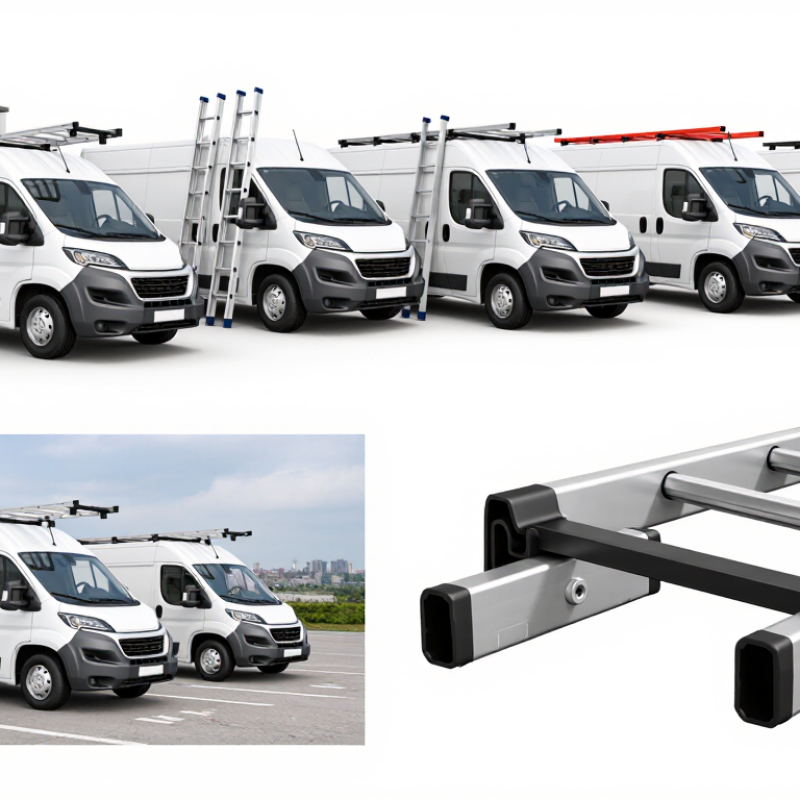
A tray ladder rack is a vehicle-mounted support system for carrying ladders above the cargo area. Unlike a simple roof bar, it uses a shaped tray to keep ladder rails aligned and reduce sliding during travel. Common designs include fixed, adjustable, side-loading, and multi-level configurations.
Its purpose is practical: preserve interior space, improve loading speed, and keep long equipment away from passengers. A complete system normally includes a ladder tray, vertical uprights, crossbars, mounting feet, clamps, tie-down points, and protective padding. The tray should match the ladder width, while the mounting feet must spread weight across strong roof or body locations. A visible load label matters.
The safety reason is substantial. OSHA recorded 395 fatal falls to lower levels among 1,069 construction fatalities in 2022. A secure rack cannot prevent every fall, but it can reduce loose-equipment movement around the vehicle. FMCSA cargo-securement guidance also considers forward, rearward, and lateral forces during transport. Those forces are easy to underestimate.
In field use, the strongest-looking rack is not always the best choice. Check the vehicle roof rating, fastener condition, corrosion resistance, and daily access height. Padding can wear quietly. Recheck it. A careless tie-down can damage both ladder and rack, despite a high published capacity.
Tray ladder racks differ mainly in how they support weight, control movement, and transfer force to a vehicle. A fixed tray rack uses rigid uprights and crossbars. Its simple frame usually offers strong stability for daily trade work. A folding tray rack adds hinged joints, allowing easier storage in low-clearance areas. However, hinges can introduce movement if bolts loosen or wear develops.
Sliding and tilt-down designs use rails, pivots, or gas-assisted supports. These structures reduce lifting height and may improve handling beside a busy jobsite. They also contain more moving parts. A side-mounted rack places the ladder beside the vehicle, keeping the roof clearer. Its brackets must resist twisting, especially during sharp turns or uneven-road travel. I have found that a rack can feel solid when empty but flex noticeably under a long ladder. That detail is easy to miss.
Tips: Check the rack’s rated load, mounting points, and maximum ladder length. Inspect welds, hinge plates, fasteners, and rubber contact pads. Measure roof height before choosing a folding model. A lower tray is often easier to load, but it may reduce ground clearance. Do not judge strength by thickness alone; the frame’s geometry matters more. Recheck fasteners after the first few trips. My own preference can change after seeing real vibration, because workshop measurements never show every road condition.
Key tray ladder rack types and their structural differences
How to read the chart: The values show representative maximum load ratings commonly specified for each tray ladder rack structure. Actual capacity depends on vehicle roof strength, mounting hardware, load distribution, dynamic forces, and the manufacturer’s installation requirements.
Choosing the right tray ladder rack starts with your vehicle, not the ladder. Measure the tray width, roof height, and available mounting points. A fixed rack suits regular trade work, while a removable rack helps occasional users. Adjustable models offer flexibility, but they may need more careful tightening. Check the rack’s rated capacity against your heaviest ladder and tools. Never rely on appearance alone.
Look for corrosion-resistant steel or aluminium, secure clamps, and padded contact points. The tray should remain accessible after installation. Test tailgate movement, garage clearance, and visibility from the driver’s seat. I once overlooked rear clearance during a fitting check. It created an awkward opening angle. That mistake changed my inspection routine. Ask for installation instructions, load limits, and maintenance guidance from a qualified supplier. These details show whether the product information is dependable.
Tips: Place heavier items near the vehicle’s centre. Keep the load balanced across both sides. Use suitable straps, then check them before driving. Inspect bolts after the first few trips. Listen for rattling or movement. If the rack flexes under normal loading, stop and reassess the setup. A slightly slower selection process is better than replacing damaged equipment later.
2026 Top Tray Ladder Rack Types and Buying Guide: Installation Steps, Safety Checks, and Maintenance Requirements
Tray ladder racks support extension ladders, conduit, and long materials above a vehicle. Common types include fixed, fold-down, sliding, and adjustable tray systems. Selection should match the vehicle roof, tray length, load rating, and daily handling needs. The U.S. Bureau of Labor Statistics recorded 885 fatal workplace injuries involving falls, slips, or trips in 2023. That figure makes secure access and load control essential.
During installation, park on level ground and follow the rack’s torque specifications. Check roof clearance, mounting points, and door movement before tightening hardware. Use calibrated tools when possible. After installation, test the rack with a controlled load, not a sudden impact. Inspect locking pins, straps, welds, and rubber supports. A rushed visual check may feel professional. It is not. OSHA 29 CFR 1910.23 requires safe ladder conditions, while ANSI ladder guidance supports regular inspection and proper positioning.
Tips: Mark each fastener after torque verification. Recheck hardware after the first week and after heavy vibration. Inspect monthly for cracks, rust, distortion, and loose fittings. Clean trapped grit from sliding parts and lubricate only where the instructions allow. Replace damaged straps immediately. Keep heavier items low and centered. Never exceed the lowest rated capacity among the vehicle, rack, tray, and securing equipment. Records should include inspection dates, defects, repairs, and the responsible technician.
| Ladder Rack Type | Typical Vehicle Use | Common Construction | Typical Rated Load Range* | Main Advantages | Key Limitations | Recommended Installation Approach | Safety and Maintenance Focus |
|---|---|---|---|---|---|---|---|
| Fixed Two-Bar Rack | Small vans, pickups, and service vehicles carrying one or two ladders | Powder-coated steel or extruded aluminum crossbars with side supports | 75–150 kg 165–330 lb, depending on vehicle and mounting system | Simple design, low cost, low profile, and easy access to the vehicle roof | Limited carrying area; may not suit multiple ladders or long bundled materials | Confirm roof-load limits; position bars over approved structural points; tighten fasteners evenly; install rubber pads or protective seals where specified | Check fastener torque, bar alignment, corrosion, end caps, and ladder tie-down points before each use |
| Full-Length Side-Loading Rack | Work vans and utility vehicles requiring frequent ladder loading and unloading | Aluminum or galvanized steel uprights, side rails, and front/rear crossbars | 100–225 kg 220–500 lb, subject to vehicle roof capacity | Allows side loading, supports long ladders, and provides several tie-down locations | Higher wind resistance, added vehicle height, and more installation hardware | Measure roof length and door clearance; assemble loosely; square the frame; secure each mounting foot; torque fasteners to the manufacturer’s specification | Inspect side rails, mounting feet, welds, bolts, and clearance above doors; keep tie-down straps free from cuts and chemical damage |
| Tray-Style Ladder Rack | Commercial vans and fleet vehicles carrying ladders, conduit, pipe, or sheet goods | Aluminum or steel tray with raised edges, cross supports, and retention points | 125–250 kg 275–550 lb, distributed evenly across the tray | Reduces lateral movement, protects ladder rails, and accommodates mixed long materials | Heavier than open-bar systems; debris and water can collect if drainage is poor | Verify tray width, roof reinforcement, and total vehicle payload; install supports at specified spacing; confirm drainage holes remain unobstructed | Remove debris regularly; inspect tray welds, drainage paths, edge guards, and all load-retention hardware |
| Drop-Down or Pivoting Rack | High-roof vans where workers need ground-level ladder loading | Aluminum or steel pivot arms, locking joints, gas struts, and roof-mounted supports | 75–150 kg 165–330 lb, including the ladder and accessories | Improves ergonomics and reduces overhead lifting during loading and unloading | More moving parts; requires clearance beside the vehicle and regular hinge inspection | Check operating arc before drilling; install hinges and stops squarely; test the locking mechanism with no load and then with the rated load | Inspect pivots, locking pins, struts, handles, and stop brackets; never drive with the rack partially deployed |
| Clamp-On Pickup Rack | Pickup trucks with compatible bed rails and limited permanent mounting requirements | Aluminum or steel uprights attached with bed-rail clamps or stake-pocket fittings | 75–150 kg 165–330 lb, depending on clamp design and bed structure | Usually avoids drilling and can be removed or repositioned between jobs | Compatibility varies; clamps can loosen if not retorqued after initial use | Check bed-rail thickness and stake-pocket dimensions; protect painted surfaces; tighten clamps alternately and verify even contact | Recheck clamp torque after the first trip and periodically thereafter; inspect bed rails for deformation or paint damage |
| Permanent Pickup Rack | Pickup trucks used daily for ladders, lumber, pipe, or long equipment | Bolted aluminum or steel uprights with front and rear crossbars | 100–225 kg 220–500 lb, subject to bed and cab mounting limits | Strong, stable, and suitable for frequent heavy-duty use | Requires drilling or fixed mounting; may reduce bed flexibility and increase vehicle height | Locate structural mounting zones; seal drilled holes against water intrusion; use backing plates where required; verify cab clearance through suspension movement | Check bolt holes for cracking or corrosion, inspect backing plates, and confirm that the rack does not interfere with tailgate or bed accessories |
| Over-Cab Van Rack | High-roof or standard-roof vans transporting extension ladders longer than the roof area | Front extension frame with crossbars and rear support structure | 100–225 kg 220–500 lb, including the over-cab extension | Supports long ladders while preserving interior cargo space | Increases overall vehicle length, height, and wind exposure; requires careful front clearance checks | Measure windshield, roof, and door clearances; install front supports on approved points; check turning and parking clearance after installation | Inspect front extension welds, vibration points, wind deflectors, and all tie-downs; confirm the ladder cannot contact the roof or windshield |
| Heavy-Duty Enclosed Tray Rack | Fleet vans and specialist vehicles carrying several ladders or mixed long loads | Reinforced aluminum or galvanized steel tray with multiple support stations | 200–350 kg 440–770 lb only where the vehicle structure and rack system are specifically rated | High organization capacity, strong load containment, and improved protection from lateral movement | Greater roof loading, weight, cost, and aerodynamic drag; not suitable for every vehicle | Obtain a vehicle-specific load assessment; use structural mounting points; distribute weight across supports; verify payload, axle limits, and center of gravity | Perform documented inspections, monitor corrosion and fatigue cracks, check tray drainage, and remove damaged components from service |
Important buying and safety note: The load ranges are representative planning values, not universal ratings. The lowest capacity shown by the vehicle roof, bed structure, rack, mounting hardware, and applicable local regulations governs the safe working load. Never exceed the rack or vehicle manufacturer’s published limits, and secure every ladder at a minimum of two independent points before driving.
Choosing a tray ladder rack in 2026 starts with the vehicle, not the catalogue. Fixed side trays suit daily trade work, while drop-down designs reduce shoulder strain during loading. Modular racks offer easier replacement, but their joints need regular inspection. NTEA’s Work Truck Industry Overview repeatedly highlights payload and upfit integration as major fleet concerns. That matches field experience: a rack can fit the roof yet overload the vehicle.
Material changes the decision. ASM International lists aluminium density near 2.70 g/cm³, compared with steel at about 7.85 g/cm³. Aluminium therefore reduces rack weight and corrosion risk, but steel usually offers greater stiffness at a lower purchase price.
Check the rack’s rated capacity, fastener strength, and the van’s remaining payload. Include ladders, tools, water, and occupants. Small items add up. I have seen buyers calculate only the ladder weight, which is an easy mistake.
Compatibility deserves a written check. Confirm roof length, mounting points, door clearance, warning-light height, and manufacturer-approved load limits. A professional installer should verify torque settings and distribute weight across the tray. OSHA ladder guidance also reinforces controlled access and safe working angles around loading areas.
Cost comparisons should include installation, corrosion protection, maintenance, and downtime. A cheaper rack may become expensive after one loose bracket or damaged roof panel. Published market reports can guide trends, but they cannot replace a vehicle-specific inspection. That part remains imperfect.
