
Choosing a Precision Machining partner is rarely just a price comparison. Material range, tolerances, production volume, and communication can all affect the finished part. A component may look simple on a drawing, yet require careful setup, inspection, and repeatable process control. Small details matter.
This guide introduces 10 Precision Machining companies for global buyers, with attention to the capabilities that shape real sourcing decisions. These include CNC milling and turning, prototype support, quality documentation, materials expertise, and the ability to scale production. Buyers should also ask how suppliers handle revisions, inspection reports, and delivery updates. Fit varies.
Company profiles and published capabilities can help narrow a shortlist, but they do not replace a technical review. Confirm tolerance requirements, surface finishes, material certifications, and inspection methods directly with each supplier. Ask for relevant examples, and check whether quoted lead times include approval and shipping. A polished website is not proof of consistent production. That is easy to forget.
The right partner depends on the part, the risk, and the level of support needed. A supplier suited to high-volume components may not be ideal for a one-off prototype. Use this overview as a starting point, then validate each candidate against your drawing and purchasing requirements. Some comparisons will remain imperfect; supplier data changes, and buyers may weigh priorities differently. Good questions make the shortlist stronger.
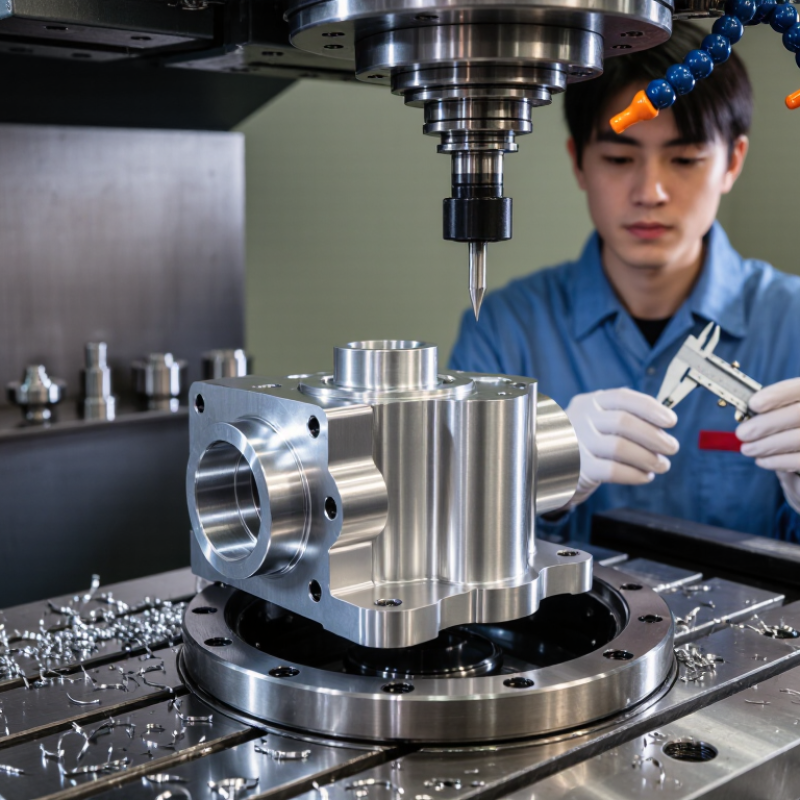
Precision machining companies turn engineering drawings into accurate metal or plastic parts. They use CNC milling, turning, grinding, and sometimes multi-axis equipment. A shop may machine aluminum brackets, stainless-steel shafts, or small plastic housings. Operators select tools, cutting speeds, and fixtures to control dimensions and surface finish. Micrometers and coordinate measuring machines help verify critical features before shipment. Results still depend on setup and material behavior.
These suppliers serve aerospace, automotive, medical-device, electronics, and industrial-equipment makers. Aerospace parts may need traceability; medical components often require clean handling and documented checks. Automotive buyers may value consistent output across large batches, while electronics firms need precise enclosures and heat sinks. Not every shop fits every job. Some specialize in prototypes; others focus on repeat production. A drawing can look clear, yet a missing tolerance or finish note can cause costly back-and-forth.
Tips: Share a 3D model and a clear drawing. Mark critical dimensions, material grade, finish, and expected quantities. Ask how parts are measured and results reported. Request a sample when practical. Small details matter. Even experienced teams can miss a risk during quoting, so review assumptions together before production begins.
When evaluating precision machining companies for global sourcing, ask for evidence tied to your part, not broad claims about capability. Request a recent first-article inspection report, material certificates, and a sample dimensional report showing actual readings against tolerances. Check how the supplier controls tool wear, measures critical features, and handles nonconforming parts. Certificates are clues. The ISO Survey 2022 recorded 1,265,216 valid ISO 9001 certificates worldwide; certification alone, however, does not prove a shop can hold your required tolerance or maintain it across production runs. Ask to see inspection methods and calibration records for the equipment used on your components.
Review delivery risk alongside machining quality. The World Bank’s 2023 Logistics Performance Index assessed 139 economies across six dimensions, including tracking and timeliness. Use those factors to probe shipping routes, export packaging, shipment visibility, and contingency plans. For a first order, compare quoted lead time with a realistic schedule that includes approval, production, inspection, and transit. Request references for similar materials and geometries, then verify them directly. A video tour can help, but it cannot replace a process audit or independent inspection. I would also test communication with a small pilot order; response speed is useful evidence, though it can be unusually good during a sales cycle. Small warning signs matter: vague inspection criteria, unexplained price changes, or reluctance to share traceable records deserve follow-up.
Global buyers need more than a low unit price. These ten anonymized profiles highlight distinct machining strengths; actual performance depends on part complexity and inspection requirements.
These profiles are not a verified ranking; buyers should confirm certifications, capacity, and sample inspection records directly. Deloitte and MAPI’s 2024 Smart Manufacturing Survey found that 92% of surveyed manufacturers expect smart manufacturing to drive competitiveness within three years. Digital inspection records can help, but they do not replace careful review of tolerances, material certificates, and first-article results.
Small caveat: a polished website proves very little.
When comparing ten precision machining companies, look beyond machine lists. Ask whether their mills and lathes can hold your drawing’s tolerances across repeat orders. A sample part is useful. Ask for inspection records too, such as CMM reports or material traceability documents. These show how a supplier checks dimensions, not just how it makes a part.
Certifications can help screen suppliers, but they are not a guarantee of quality. Confirm that certificates are current and cover the relevant facility and processes. Then discuss first-article inspection, nonconformance handling, and how changes to a drawing are approved. A polished website is not proof of stable output. Small details matter.
International support can shape the real cost of a project. Check response times across time zones, technical communication, protective packaging, and experience preparing shipping documents. Ask how the supplier reports delays and shares production updates. Request a clear sample timeline, including inspection and transit. One useful question: who owns the issue when a shipment arrives late? Even a careful comparison has blind spots; a first order may reveal gaps that audits miss. Keep expectations specific. Be ready to revise them.
A process-level reference for comparing precision capabilities. The chart shows representative tight-tolerance values, not company-specific performance or guaranteed results.
Lower values indicate tighter tolerances. Actual results depend on material, part geometry, size, equipment, and inspection method; confirm achievable tolerances with each supplier.
Choosing a machining partner starts with the part, not the supplier’s equipment list. Share the 3D model, drawing, material grade, expected volume, and features that truly matter. A shaft with a close-tolerance bearing seat needs different process control from a cosmetic enclosure. Specify critical dimensions, surface finish, edge breaks, and inspection requirements. Small details matter.
Ask how the shop will fixture the part, measure key features, and handle drawing revisions. Request an example inspection report linked to a drawing, rather than relying only on a general capability sheet. For repeat orders, discuss tool wear, batch identification, packaging, and how out-of-spec results are communicated. A useful quotation states its assumptions, lead time, and any design concerns. Price alone tells little.
Compare suppliers against parts similar to yours in material, geometry, and production volume. Confirm who answers technical questions and whether capacity can support your delivery schedule. A first-article review can reveal issues before a full batch is made. Yet buyers can over-specify tolerances that do not affect fit or function, raising cost without clear benefit. Revisit those callouts with your engineering team; some are there from habit, not need. A polished sales response is reassuring, but the process details deserve a closer look.
