How to Choose the Best Vertical Expander Machine for Your Needs?
Choosing the right Vertical Expander Machine can be a daunting task. The industry expert, John Smith, once stated, “Not all expanders are created equal. Understanding your specific needs is crucial." This highlights the importance of aligning the machine's capabilities with your operational requirements.
When selecting a Vertical Expander Machine, consider quality and efficiency. Evaluate features like range of expansion and power consumption. Not all machines will measure up to your expectations. Companies often overlook essential details like maintenance needs and warranty conditions. This can lead to unexpected costs and performance issues over time.
Ultimately, a thorough assessment of available options is necessary. Rely on insights from seasoned professionals in the field. The right Vertical Expander Machine can enhance your productivity significantly. Neglecting this choice may result in more than just financial implications. It could impact your overall operational success and adaptability in a competitive market.
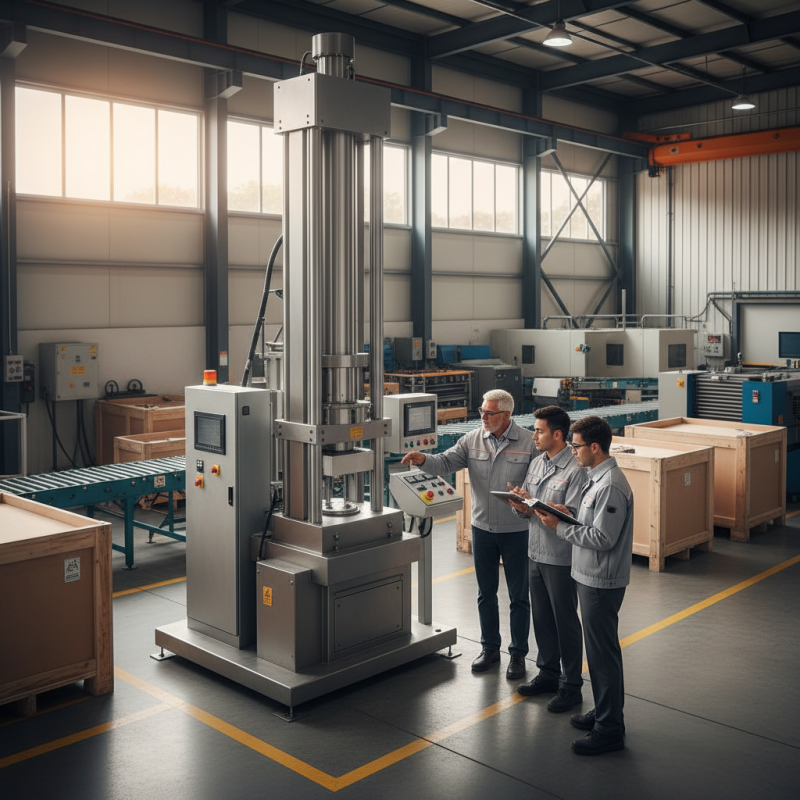
Understanding the Different Types of Vertical Expander Machines Available
Vertical expander machines come in several types, each designed for specific applications. A common type is the hydraulic vertical expander. It utilizes hydraulic pressure to expand materials, providing smooth and controlled operation. These machines are ideal for industries that require precision in shaping. They are often favored for their efficiency and ability to handle various materials.
Another type is the pneumatic vertical expander. This machine relies on compressed air for operation. Pneumatic expanders are generally lighter and can be more portable. They might struggle with thicker materials, but they excel in environments where speed is critical. Users often find that they are easier to maintain and operate.
When choosing an expander, consider the material you will work with. Some machines excel with metals, while others are better for softer materials. Reflect on your specific needs. It is essential to assess both the technical specifications and your working conditions. Sometimes, a powerful machine can be overkill for a simple task. Choose wisely, and think about future use cases as well.
Key Features to Consider When Selecting a Vertical Expander Machine
When selecting a vertical expander machine, certain key features are essential. One significant factor is the machine's capacity. Assess the volume of materials you typically handle. Ensuring the machine can handle your production needs is critical. A too-small machine leads to inefficiency. Conversely, an oversized machine may waste energy and resources.
Another feature to contemplate is the ease of use. A user-friendly interface can significantly reduce training time for operators. Look for machines with intuitive controls and clear indicators. Maintenance is another consideration. A reliable machine should be easy to service and maintain. Consider models that allow quick access to parts. This minimizes downtime and keeps production flowing smoothly.
Lastly, think about the machine's durability. Construction materials and design can greatly affect longevity. Machines built with high-quality components often perform better over time. However, balancing cost and quality is challenging and requires careful thought. Relying solely on expert recommendations is not always effective. Each operation is unique. Reflect on what works best for your specific needs. This ensures a more informed decision, aligning with your production goals.
Assessing Production Capacity: Matching Machine Specs to Your Needs
When selecting a vertical expander machine, understanding production capacity is crucial. You must align the machine’s specifications with your operational needs. Assess the volume of output you expect. A well-matched expander can significantly enhance efficiency.
Tips: Know your daily production targets. Consider your current and future needs. Machines are an investment, and selecting the right one is essential for growth.
Machine specifications vary widely. Look for features that minimize downtime and enhance usability. Reliability during peak hours is vital. Weak machines may lead to frequent breakdowns, disrupting workflow. Reflect on your team's technical skills. Training may be necessary for complex machines.
Tips: Prioritize ease of use. Simplified controls reduce the learning curve. An intuitive interface allows faster training sessions. Keep a knowledge base for troubleshooting. This helps in reducing downtime and maintaining productivity.
Evaluating Cost-Effectiveness: Budgeting for Your Vertical Expander Purchase
When considering a vertical expander machine, budgeting is crucial. The initial cost can be intimidating, but it influences long-term savings. A machine that operates efficiently can reduce operational costs significantly. Think about energy consumption, maintenance, and potential downtime. These factors ultimately affect your budget.
Research various models to understand price ranges. Sometimes, higher upfront costs lead to better durability and performance. Look for reviews and feedback from users who have owned similar machines. Their experiences can guide you in making a wise investment. Calibration can be complex, so ensure support services are available.
Don’t forget about additional costs. Installation, training, and spare parts should be factored into your budget. A cheap machine might cost more in the long run. Reflect on your specific needs and production volumes to find a balance. Choosing wisely will save headaches later. Being mindful of all costs associated with the expander machine will ensure a more effective budgeting process.
Cost-Effectiveness of Vertical Expander Machines
Industry Standards and Compliance: Ensuring Quality in Vertical Expanders
When selecting a vertical expander machine, compliance with industry standards is crucial. Regulatory requirements often dictate design and operational features. Ensure your chosen machine meets these guidelines to avoid costly mistakes. This diligence can drastically reduce safety risks and enhance operational efficiency.
Quality assurance measures play a critical role in performance. A machine that adheres to established standards will typically offer better reliability and longevity. Inspect certification documents to verify compliance. It's essential to review manufacturers' specifications carefully. A lack of detailed documentation may indicate potential issues.
User feedback offers valuable insights but can be inconsistent. Some users may overlook important details. Engage with real-world users and compare experiences. Collecting diverse opinions helps create a more holistic view. Be mindful of your unique needs and operational context; what works for one may not work for another. This reflective approach fosters informed decision-making.
How to Choose the Best Vertical Expander Machine for Your Needs? - Industry Standards and Compliance: Ensuring Quality in Vertical Expanders
| Feature | Importance | Standard Compliance | Recommended Specifications |
| Material Quality | High | ISO 9001 | Stainless Steel or Aluminum |
| Ease of Use | Medium | CE Marking | User-Friendly Controls |
| Energy Efficiency | High | Energy Star Rating | Low Power Consumption Models |
| Maintenance | Medium | OSHA Compliance | Easy Access for Servicing |
| Safety Features | High | ANSI Standards | Emergency Stop, Guards |