How to Choose the Best Digital Menu Board for Your Business?
Choosing the right Digital Menu Board can be a game-changer for your business. In a fast-paced world, customers appreciate quick and clear information. A well-designed menu board not only highlights your offerings but also sets the atmosphere and showcases your brand. Many businesses underestimate the impact of visual presentation. The wrong choice can lead to confusion or frustration for customers.
There are various types of digital menu boards, each with distinct features. Consider factors such as size, resolution, and software capabilities. Your board should align with your business needs and customer preferences. While some options may appear enticing, they might not deliver the required performance. Assessing your specific context is crucial.
In this digital age, staying ahead requires informed decisions. A Digital Menu Board is more than just a display; it’s a communication tool. Choosing wisely can attract customers and foster loyalty. Reflecting on your unique situation can help you select the best solution.
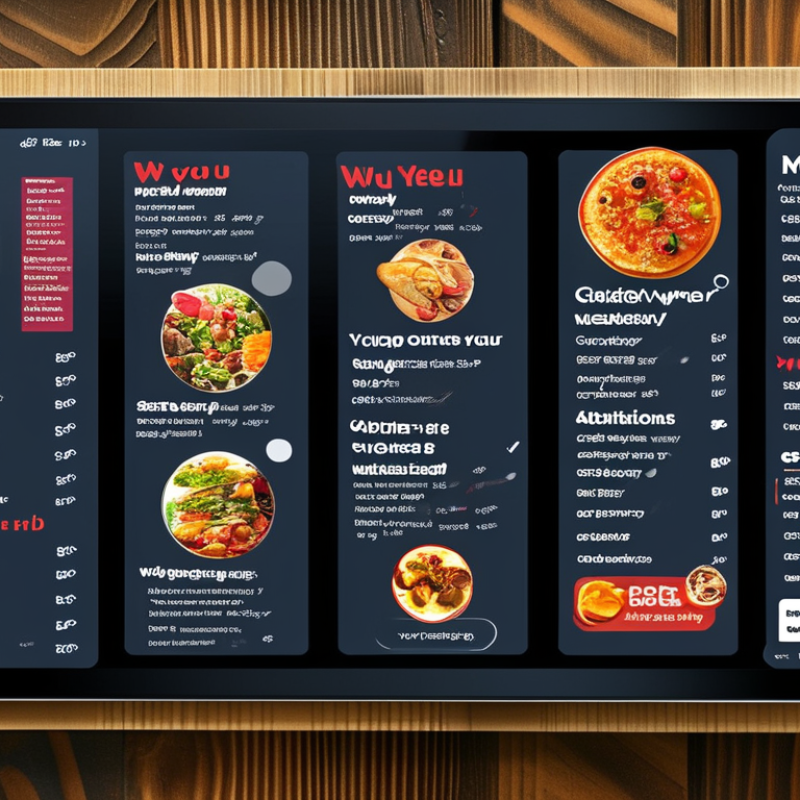
Understanding the Importance of Digital Menu Boards in Modern Businesses
Digital menu boards have become essential for modern businesses. They offer a fresh, dynamic way to present information. Unlike static menus, digital boards can be updated instantly. This flexibility allows businesses to promote seasonal items or special offers quickly. The visual appeal of bright graphics can attract customers’ attention more effectively.
Moreover, digital menu boards enhance customer engagement. They can incorporate animations and videos that make the menu exciting. A well-designed board can create a memorable customer experience. However, not all boards are created equal. Businesses must consider their target audience and branding when selecting a digital menu solution.
Despite the numerous benefits, implementing digital menu boards can present challenges. Technical issues may arise, leading to downtime. Staff training is also necessary to ensure efficient operation. Some businesses may find the initial investment daunting. Yet, with careful planning, these hurdles can be managed. Overall, digital menu boards are powerful tools. They can significantly improve how businesses communicate with their customers, but they require thoughtful implementation.
Evaluating Your Business Needs and Target Audience for Digital Menus
When evaluating the best digital menu board for your business, understanding your needs is crucial. Consider the type of food you serve and the atmosphere of your establishment. A casual eatery might benefit from vibrant graphics, while a fine dining restaurant may prefer elegant designs. Tailor the content to reflect your brand's personality.
Understanding your target audience also plays a key role. Are they tech-savvy Millennials or families looking for quick service? Engage them with interactive features or simple layouts. Think about their preferences. Would they appreciate nutritional information or daily specials? This insight will help you select features that resonate well with your customers.
Many businesses overlook the importance of updates. A menu that remains static can lose its appeal. Regularly refreshing the content keeps customers engaged and informed. Reflecting on the customer feedback can also reveal what works and what doesn’t. This iterative approach will refine your digital menu strategy over time. Always stay open to changes; the digital landscape evolves rapidly.
Key Features to Consider When Selecting a Digital Menu Board
When selecting a digital menu board, several key features need to be evaluated. The display quality is crucial. Look for high-resolution screens that ensure clear visuals. Brightness levels matter too; a well-lit board captures attention effectively. Think about the environment. Outdoor boards require higher brightness. Indoor boards focus more on colors and clarity.
Content management software is another essential element. User-friendly software allows easy updates. Many systems offer cloud-based solutions. This allows real-time changes from anywhere. Ensure the software supports various media types, such as images and videos. This flexibility helps in creating engaging content.
Consider the board's integration with other systems. Some menus might need links to inventory or sales data. This connection can streamline operations. Keep in mind your budget as well. A more advanced board can deliver long-term savings. However, assess whether the features are truly needed. Reflect on your business’s unique needs before making a decision.
How to Choose the Best Digital Menu Board for Your Business? - Key Features to Consider When Selecting a Digital Menu Board
| Feature | Description | Importance Level |
| Screen Size | The size of the screen should fit the space and be easily visible to customers. | High |
| Resolution | Higher resolution displays provide clearer images and text. | High |
| Brightness | Consider brightness levels for visibility in different lighting conditions. | Medium |
| Software Flexibility | Ensure the software allows easy updates and content management. | High |
| Connectivity Options | Check for Wi-Fi, Bluetooth, and wired options for installation. | Medium |
| Durability | Choose a product that can withstand various environmental conditions. | High |
| Price | Evaluate budget versus the features offered by the product. | High |
Comparing Different Types of Digital Menu Boards Available Today
When choosing a digital menu board, consider various types available to suit your business needs. There are LCD screens, LED displays, and projection systems. Each type has its own advantages and limitations. LCD screens offer vibrant images but may not withstand harsh conditions. LED displays are durable and bright, perfect for outdoor settings. Projection systems can create a unique ambiance, but lighting conditions matter.
Tips: Assess your environment before choosing a board. A brightly lit area may require a more powerful display. Think about content flexibility too. Some boards allow easy updates, while others may require technical expertise.
Another important factor is screen resolution. Higher resolution provides clearer images, which can attract more customers. Lower resolutions might save money but can result in pixelated or unclear content. It's crucial to balance cost with quality to maintain professionalism.
Tips: Keep your target audience in mind. The design and information displayed should resonate with them. Regularly refreshing content keeps customers engaged. Consider how seasonal changes affect your menu and update accordingly.
Comparison of Different Types of Digital Menu Boards
Budgeting and Cost Considerations for Implementing Digital Menu Boards
When considering digital menu boards, budgeting is critical. Costs can vary significantly based on size, type, and technology. Businesses must decide between basic displays and advanced interactive screens. A clear budget helps in prioritizing features that align with company goals.
Tips: Evaluate your current needs. Consider how often your menu changes. If it’s frequent, a more flexible system may save costs in the long run. Review installation expenses too. Hidden costs can arise from mounting hardware or software updates.
Think about ongoing costs as well. Digital content must be maintained regularly. This necessitates staff training on how to update the menu. Investing in employee training can reduce mistakes later. Balancing upfront costs with long-term expenses is essential for sustainable operations.