
Choosing the right polyester yarn making machine can significantly impact your production efficiency. Understanding the nuances of different machines is essential. The market offers various options, and it can be overwhelming.
Investing time in research is key. Consider factors such as machine speed, energy consumption, and ease of use. Each machine has unique features that cater to different needs. A well-informed choice can improve your output and reduce costs.
However, it's easy to feel uncertain. Sometimes, the specifications may seem confusing or contradictory. Rely on expert reviews and industry feedback to guide your decision. A reliable polyester yarn making machine should bring both quality and efficiency to your production line.
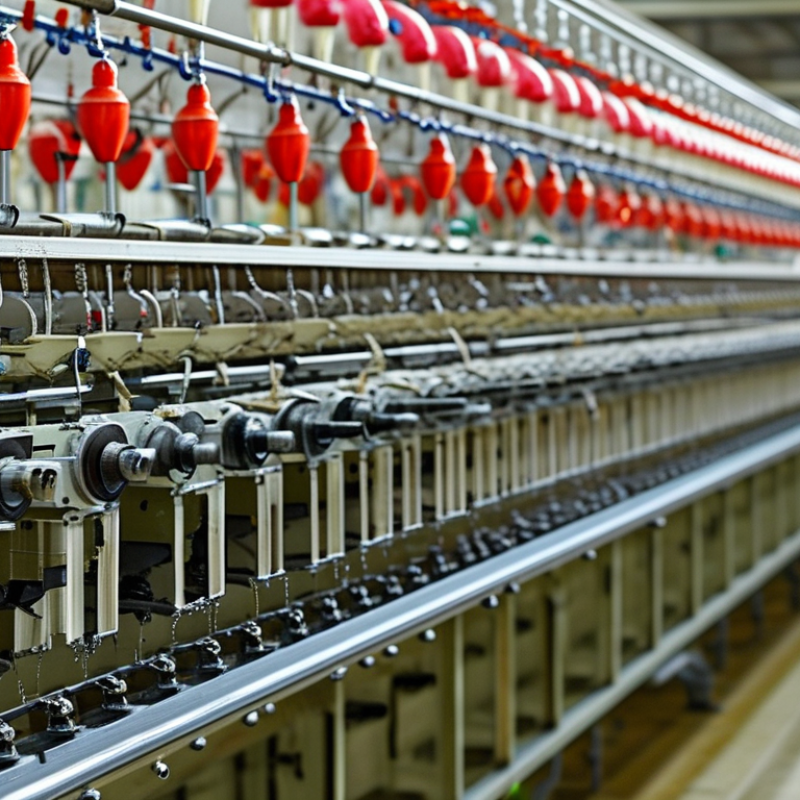
When it comes to producing polyester yarn, understanding the production processes is key. Polyester yarn production involves several crucial steps. These include polymerization, spinning, and finishing. Each step demands specific techniques and equipment. For example, the polymerization process requires precise temperature and pressure control. This affects the yarn's overall quality.
In spinning, the molten polymer is extruded through spinnerets. This creates fine filaments of polyester. Different spinning methods, like melt or air spinning, offer unique characteristics to the final product. Factors like fiber diameter and tensile strength become important here. Due to the complexity of the processes, choosing the right machine is vital. You need to consider the machine’s efficiency and maintenance requirements.
Finishing treatments also play a significant role in polyester yarn production. These treatments enhance the yarn's qualities, such as durability and texture. However, not all finishing methods yield the same results. It's important to reflect on your goals and the intended use of the yarn. Evaluating the entire production process can lead to better decisions when selecting a polyester yarn making machine.
When choosing a polyester yarn making machine, consider several key features. A user-friendly interface is essential. Operators need to navigate settings easily. Adjustable speed controls enhance efficiency. These features cater to different production scales.
Energy efficiency is another important aspect. Machines that consume less power reduce operational costs. Look for models with energy-saving certifications. Additionally, durability is crucial. Machines should withstand heavy use without frequent breakdowns. Regular maintenance checks can help identify potential issues.
Automation features offer added conveniences. Fully automated systems can streamline production. However, reliance on technology can lead to gaps in understanding machine operation. A balance between automation and manual oversight is vital. Training staff on machine functions ensures smooth operations. Reflecting on these aspects can lead to a more informed decision.
| Feature | Description | Importance |
|---|---|---|
| Production Capacity | The amount of yarn produced per hour or day. | High capacity machines reduce production time and increase output. |
| Energy Efficiency | How efficiently the machine uses energy during operation. | Lower energy costs lead to higher profitability. |
| Automation Level | The degree to which the machine operates automatically. | Higher automation reduces labor costs and minimizes human error. |
| Maintenance Requirements | Frequency and complexity of required maintenance tasks. | Lower maintenance needs save time and costs over the machine's lifecycle. |
| Build Quality | The durability of the materials used in the machine's construction. | Higher build quality enhances longevity and performance. |
| User-Friendliness | Ease of use, including the complexity of operation and control systems. | User-friendly machines increase productivity and reduce training time. |
| Versatility | Ability to handle different types of polyester yarns and blends. | Versatile machines can cater to a broader market. |
When evaluating the efficiency of a polyester yarn making machine, consider production speed. Machines can vary significantly in their output capacity. A high-output machine can produce more yarn in less time, which is crucial for meeting demands. Assess the machine's ability to maintain consistent quality while operating at high speeds.
Another key factor is energy consumption. Efficient machines should minimize energy use while maximizing output. Look for models that offer energy-saving features. This can lead to lower operational costs over time. However, you might encounter machines that promise low energy consumption but deliver poor efficiency.
Machine maintenance is also vital. Regular upkeep ensures sustained efficiency and output. Some machines may require frequent repairs, leading to downtime. Investigate user reviews or case studies to identify potential drawbacks. Understanding common issues faced by other users can provide valuable insights. Evaluating these factors helps in making an informed decision.
When considering the purchase of a polyester yarn making machine, budgeting is crucial. The initial cost can vary significantly. A high-quality machine may demand a larger investment. However, cheaper models might lead to higher operational costs. Regular maintenance and potential repairs can also add up over time.
It’s vital to assess not just the purchase price, but also the long-term expenses. Analyze energy consumption. Machines with better efficiency can save money in the long run. Evaluate the availability of parts and service. If a machine breaks down, the cost of downtime can be substantial.
Investing less upfront could lead to regrets later. It is essential to ensure the machine fits your production needs. Seek expert advice if unsure about specifications. Sometimes, decisions made on impulse can hurt. Take the time to reflect on what best serves your business and production goals. Aim for a balance between cost and quality.
When selecting a polyester yarn making machine, after-sales support and maintenance are crucial factors. A reliable manufacturer should offer comprehensive support. This includes prompt responses to inquiries and troubleshooting assistance. A machine is an investment, and understanding how to operate it effectively is essential to avoid downtime.
Regular maintenance is vital for optimal performance. Technicians should provide clear guidelines on schedules and procedures. However, not all manufacturers offer this level of support. Some might provide basic manuals but lack detailed guides. This could lead to operational inefficiencies. Having access to a knowledgeable support team can prevent minor issues from escalating.
Consider the training options available too. Effective training enhances your team’s ability to address problems. Machines can be complex, and an untrained operator may struggle. This reaffirms the importance of ongoing support from the machine’s manufacturer. Inadequate after-sales support can become a significant hurdle, impacting productivity and quality. It's worth reflecting on these aspects before making your final decision.
