Why Choose Rotary Screw Compressor for Your Business Needs?
In today's competitive business landscape, efficiency and reliability are paramount. When considering compressed air solutions, the Rotary Screw Compressor stands out. This technology offers numerous advantages, making it a preferred choice for various industries. These compressors operate smoothly and deliver high efficiency, which can lead to significant cost savings.
Rotary Screw Compressors are known for their durability and low maintenance requirements. They run quietly, reducing noise pollution in work environments. However, choosing the right model can be daunting. It’s essential to evaluate various factors, such as capacity and energy consumption, to find the best fit for your specific needs.
While the benefits are clear, it's important not to overlook potential challenges. The upfront investment may be higher than other compressor types. Businesses must weigh these costs against long-term savings. Ultimately, understanding the features and capabilities of Rotary Screw Compressors is crucial for making an informed decision.
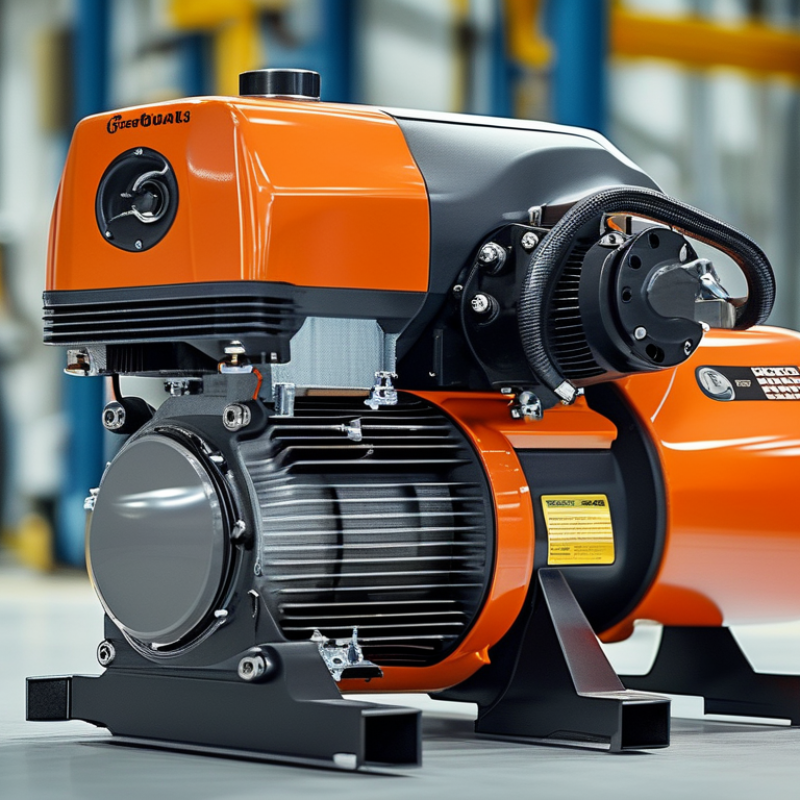
Understanding Rotary Screw Compressors and Their Operation
Rotary screw compressors are a cornerstone in various industries. They operate using two rotors that compress air within a chamber. This design allows for a continuous flow of high-pressure air, making them efficient for many applications. Unlike reciprocating compressors, they have fewer moving parts. This can lead to reduced maintenance needs.
Understanding the operation of a rotary screw compressor is essential for businesses. Compressed air is essential in manufacturing, construction, and even food processing. These compressors work quietly and can deliver a large volume of air efficiently. However, they are not without challenges. If not properly maintained, they risk overheating or losing efficiency over time. Users must remain vigilant regarding their operation.
Energy consumption is another consideration. Rotary screw compressors can be energy-intensive. This might impact operating costs. Therefore, monitoring their performance and energy use is vital. Companies may find themselves weighing initial costs against long-term savings. Implementing regular checks can help in identifying areas for improvement.
Key Advantages of Rotary Screw Compressors Over Other Types
Rotary screw compressors stand out in many business applications due to their efficiency and reliability. One key advantage is their continuous operation. Unlike piston compressors that operate in cycles, rotary screw compressors provide a steady air supply. This ensures that production systems keep running smoothly, avoiding costly downtime.
Another notable benefit is their energy efficiency. Rotary screw compressors require less power compared to traditional models. This translates to lower operational costs, especially for businesses with high air demand. Their design allows for longer run times without overheating, which can lead to significant savings over time.
However, potential users should consider the initial investment. Rotary screw compressors can be more expensive upfront than other types. Maintenance is also crucial. While they are designed for durability, neglect can lead to issues. Regular maintenance checks can help identify problems early, ensuring tools remain efficient and reliable. Overall, the advantages often outweigh the challenges, making rotary screw compressors a smart choice for many businesses.
Why Choose Rotary Screw Compressor for Your Business Needs? - Key Advantages of Rotary Screw Compressors Over Other Types
| Feature | Rotary Screw Compressor | Piston Compressor | Scroll Compressor |
| Compression Method | Rotary motion between two screws | Reciprocating motion | Orbiting scroll motion |
| Efficiency | High efficiency at various loads | Less efficient at lower loads | Moderate efficiency |
| Noise Level | Quiet operation | Louder operation | Quiet operation |
| Maintenance Requirements | Low, minimal upkeep | Regular maintenance needed | Low maintenance |
| Cost | Higher initial cost, lower operational cost | Lower initial cost, higher operational cost | Moderate cost |
| Lifespan | Long lifespan | Shorter lifespan | Long lifespan |
Factors to Consider When Choosing a Rotary Screw Compressor
Choosing a rotary screw compressor for your business involves several key factors. Evaluating your air demand is crucial. You need to understand your operations' specific requirements, including airflow and pressure levels. This step ensures the compressor can handle your needs without overworking itself.
Consider the energy efficiency of the compressor. Some models are designed to minimize energy consumption. Lower energy costs can significantly impact your operational budget over time. Look for features like variable speed drives that adjust airflow based on demand. This technology not only saves energy but can also extend the lifespan of your equipment.
When assessing the compressor's maintenance needs, think about accessibility. Complicated designs can make routine checks harder. Investigate the availability of spare parts and service support in your area. Easy access to support services can reduce downtime when repairs are necessary.
Evaluate the noise level too. Some compressors can be quite loud, which may affect your working environment. Opt for models with sound-dampening features if noise is a concern. Regularly assess the compressor’s performance. What works today may not fit future needs. Don’t hesitate to seek expert advice when in doubt.
Applications and Industries That Benefit from Rotary Screw Compressors
Rotary screw compressors serve various industries due to their efficiency and reliability. Manufacturing is a primary sector that benefits from these compressors. These machines can operate continuously, providing a steady air supply for pneumatic tools, assembly lines, and packaging systems. According to a report by the Compressed Air and Gas Institute, about 70% of industrial facilities utilize compressed air. This statistic highlights the significant role these compressors play in maintaining productivity.
Another important application is in the food and beverage industry. Rotary screw compressors help in maintaining precise temperature controls during production and storage. They also support processes like filling and bottling. A survey conducted by the International Society of Food Engineers noted that about 25% of food processing plants rely on compressed air systems for their operations. This reliance shows the vital nature of rotary screw compressors in ensuring food safety and quality.
Construction sites also benefit from rotary screw compressors. These portable units can power tools like jackhammers and nail guns. Despite their advantages, not all operators fully understand the maintenance these machines require. Neglecting regular checks can lead to inefficiencies and costly repairs. Accurate usage training is essential to maximize the benefits of these compressors and avoid common operational pitfalls.
Maintenance and Longevity of Rotary Screw Compressors in Business Use
Rotary screw compressors offer excellent efficiency and reliability for various business applications. Maintenance is crucial to ensure their longevity. Regular checks on oil levels and filter cleanliness can prevent costly breakdowns. Neglecting these tasks may lead to reduced performance or even equipment failure.
Over time, internal components can wear out. It's important to monitor the condition of the rotors and bearings. Scheduled maintenance can identify potential issues before they escalate. Companies often overlook these aspects due to busy operations. However, proactive maintenance enhances the lifespan of the compressor.
Investing in proper training for staff is essential. Knowledgeable personnel can troubleshoot minor problems effectively. This reduces downtime significantly. Routine maintenance logs are also beneficial. They provide valuable insights into the compressor’s performance history. Failing to keep accurate records can lead to mismanagement and inefficient operations.