How to Choose the Right Quick Coupler?
Choosing the right Quick Coupler is not just a matter of matching two connection sizes. It is about fit, pressure, flow, materials, and the conditions your equipment faces every day. A coupler used on a clean workshop bench may behave differently in a muddy field, where grit collects around seals and repeated connection cycles wear contact surfaces. Small details matter.
Hydraulic engineer and author Andrew Parr has written widely about hydraulic systems and component selection. A practical principle for this guide, expressed here as an editorial summary rather than a verified direct quotation, is: “Match the coupler to the system’s pressure, flow, fluid, and working conditions.” That distinction matters: a connector that fits physically may still restrict flow, leak, or fail to suit the application. Check the equipment manufacturer’s specifications, and verify compatibility before installation.
This guide explains how to compare connection type, rated pressure, flow capacity, sealing materials, and operating environment. It also considers ease of connection, maintenance access, and the cost of downtime. A quick inspection can reveal useful clues: damaged threads, flattened seals, or a sleeve that sticks under light hand pressure. Still, inspection cannot replace confirmed specifications. Selection can feel straightforward, until an overlooked detail stops the machine. The right Quick Coupler should match the system on paper and work reliably in the conditions where it will actually be used.
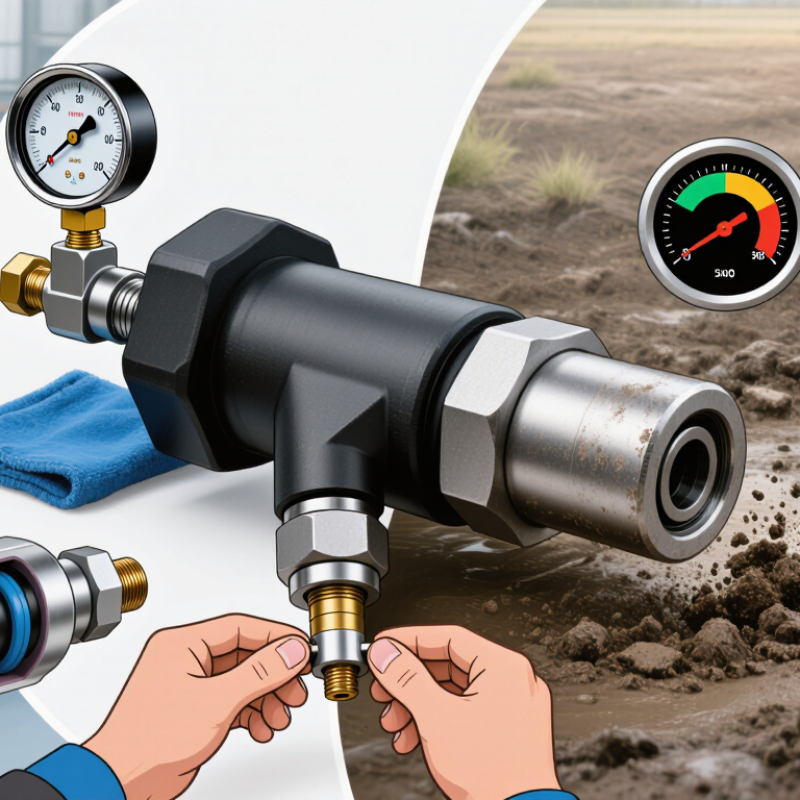
Understand the Role of a Quick Coupler in Your System
A quick coupler connects and disconnects fluid or air lines with less downtime than threaded fittings. In a hydraulic system, it must carry the required flow and pressure while limiting leakage and contamination. Its role affects more than convenience: a restrictive coupler can slow an actuator, while a poor seal can cause fluid loss. Small details matter. Connection size alone does not tell you whether a coupler suits the system.
Tips: Check the working pressure, flow rate, fluid type, temperature range, and connection standard. Confirm how the coupler seals and whether it needs to connect under pressure. Keep caps clean; grit on a mating face can damage seals.
When choosing one, consider where it sits in the circuit and how often operators connect it. A coupler used near a vibrating machine may need a locking design that resists accidental separation. Also check the pressure drop at your expected flow, not just the coupler’s nominal size. It is tempting to compare only dimensions, but that can miss the actual operating demands. If specifications are unclear, verify them against the system’s manual or ask a qualified fluid-power professional.
How to Choose the Right Quick Coupler?
Understand how bore size affects flow in your system.
The bars show theoretical flow through a circular bore at a constant fluid velocity of 3 m/s, calculated from bore area. They are not coupler flow ratings: internal passages, pressure drop, fluid properties, and system requirements affect actual performance. Check the manufacturer’s pressure-drop data and match the coupler to your required flow and connection size.
Identify Fluid, Pressure, and Temperature Requirements
A quick coupler can look suitable on a workbench and still fail in service. Start by identifying the fluid that will pass through it. Water, hydraulic oil, compressed air, and cleaning chemicals can affect seals and metal surfaces differently. Check the coupler’s material and seal compatibility against the exact fluid, including additives. “It should be fine” is not a compatibility check.
Pressure needs more than a glance at the system gauge. Compare the coupler’s rated working pressure with the highest pressure it may experience, including brief spikes during startup or valve closure. Do not confuse working pressure with burst pressure; burst ratings are not operating targets. Also verify whether connecting or disconnecting under pressure is permitted. A stiff sleeve can be a warning, not a feature.
Temperature matters at both ends of the range. Consider cold starts, hot fluid, nearby equipment, and temperature changes during cleaning. Heat can soften seals, while cold can make them less flexible. Check the full operating range for the complete assembly, not just the metal body. Leave a reasonable margin where conditions fluctuate. I have seen selection notes omit ambient temperature; it is an easy detail to miss. If the fluid, pressure peaks, or temperature range is uncertain, measure them before choosing a coupler.
Compare Coupler Types, Sizes, and Materials
A quick coupler must suit the equipment, the working fluid, and the job’s pressure and flow demands. Push-to-connect models are fast to operate, while screw-to-connect designs resist accidental separation under vibration. Flat-face couplers help reduce fluid spills during connection and disconnection. Each type has trade-offs. A faster connection is not automatically the better choice.
Size involves more than matching the hose diameter. Check the coupler’s rated flow, pressure, connection thread, and compatibility with the mating half. A small passage can restrict flow and cause heat buildup; an oversized unit may add weight and cost. Materials matter, too. Plated steel is common for demanding applications, stainless steel can suit corrosive environments, and lighter alloys may work where their pressure ratings allow. Seal material must also match the fluid and temperature range. This is easy to miss. I would verify the specifications rather than assume similar-looking couplers are interchangeable.
Tips: Before installation, inspect both faces for dirt, worn seals, or damage. Confirm the system is safely depressurized, then make a test connection and check for leaks. Keep dust caps nearby.
Assess Flow Capacity, Sealing, and Safety Features
How to Choose the Right Quick Coupler?
Assess Flow Capacity, Sealing, and Safety Features
A quick coupler should match the system’s working flow, not just its hose diameter. Compare manufacturer flow-versus-pressure-drop curves at your expected flow rate. An undersized passage can create heat, waste energy, and slow an actuator. Check peak flow too, especially when cylinders move quickly. Small details matter. The National Fluid Power Association’s technical guidance on hydraulic systems emphasizes matching components to operating conditions; a nominal port size alone cannot confirm adequate capacity. For a practical check, record flow, pressure, fluid type, and operating temperature before comparing couplers.
Sealing needs equal attention. Confirm that seal material suits the fluid, temperature range, and pressure pulses. A seal that works during a cool bench test may harden or swell after repeated hot cycles. Not a rare oversight. For safety, look for a positive sleeve lock, clear connection confirmation, and a design that limits trapped-pressure hazards. Flat-face couplers can reduce fluid loss during connection and disconnection, but they do not make a pressurized line safe to open. ISO 16028 specifies dimensions and performance requirements for flat-face couplings; verify the actual model’s ratings. The U.S. Bureau of Labor Statistics reported 2.4 recordable injury and illness cases per 100 full-time private-industry workers in 2023. That figure is not coupler-specific, but it reinforces the value of documented procedures, inspection, and pressure relief before servicing. I would still question any selection made from a catalog table alone.
Check Compatibility, Standards, and Maintenance Needs
A coupler can look right and still fail to connect. Match its connection profile, thread type, size, and sealing method to the hose or port; similar-looking threads are not always interchangeable. Check working pressure, peak pressure, temperature range, and fluid compatibility against the coupler’s published limits. Small mismatches matter. A seal that swells in oil, or a fitting rated below pressure spikes, can cause leaks or unplanned downtime. Confirm applicable specifications in the equipment documentation. A shared standard name does not always guarantee that parts will mate.
Standards and daily service deserve equal attention. Check the required flow rate and pressure drop, especially on tools that cycle often. For dusty jobs, consider caps or valves that limit contamination during disconnection. Before installation, isolate the system and release stored pressure according to its procedure. Inspect seals for cuts, flattening, or hardening; check sleeves for grit and corrosion. Keep connections clean. It is tempting to skip checks when a coupler feels sturdy, but that assumption can be costly. Set inspection intervals based on use, fluid, and environment. Record leaks, difficult locking, and replacement dates. If compatibility is uncertain, compare technical drawings or ask a qualified technician to verify the interface.