How to Customize Valve Guides for Optimal Performance?
In the world of automotive performance, the significance of proper valve guides cannot be underestimated. Valve guides ensure optimal alignment and stability for valve operation, which directly impacts engine efficiency. Many overlook the potential of "Valve Guide Customized" solutions. Customization can lead to higher performance and improved durability.
To achieve this, attention to detail is crucial. Engine specs vary widely, and a one-size-fits-all approach often fails. Custom valve guides should match the engine's unique characteristics. They can enhance airflow and reduce friction. However, not all customization efforts yield immediate improvements. Some users find that trial and error is part of the process.
Another point to consider is the material choice. Selecting the right materials for valve guides can greatly affect performance. In some cases, cheaper materials may lead to frequent replacements. This can ultimately negate initial savings. Understanding these aspects of valve guide modification is essential for achieving the best results. Customizing valve guides could transform your engine's performance if done correctly.
Understanding Valve Guides: Function and Importance in Engine Performance
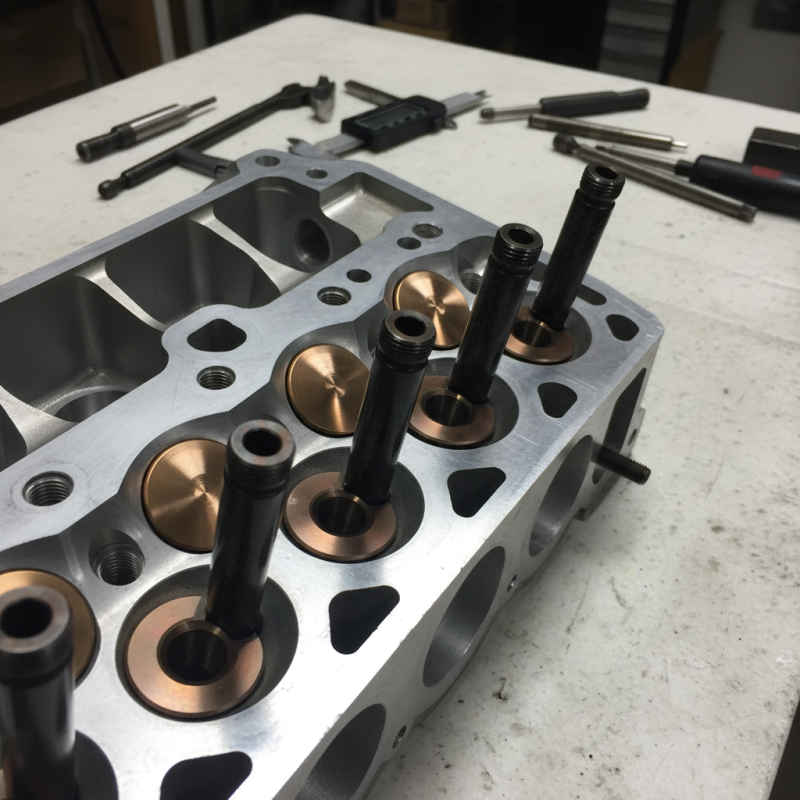
Valve guides play a crucial role in engine performance. They ensure that the valve stems align correctly with the engine head. This alignment prevents excessive wear and tear. Proper alignment leads to better efficiency and power delivery. A well-functioning valve guide enhances overall engine responsiveness.
When customizing valve guides, consider their material. Different materials can change how they perform under heat. Stainless steel and bronze are popular choices. Each has its pros and cons in terms of durability and wear resistance. Pay attention to the fitment as well. A tight fit can reduce oil flow and cause overheating.
Tips: Check for signs of wear on existing valve guides. If they are worn out, consider replacing them. Regular maintenance can prevent major issues down the line. Keep your engine clean. Dirt can lead to misalignment and inefficiency. Developing a schedule for maintenance can keep performance at its peak.
How to Customize Valve Guides for Optimal Performance?
| Dimension | Standard Value | Custom Value | Impact on Performance |
| Guide Length (mm) | 55 | 60 | Improved stability at high RPM |
| Inner Diameter (mm) | 9.5 | 10 | Reduced friction, better lubrication |
| Material Grade | Bronze | Steel | Increased durability, resistance to wear |
| Guide Clearance (mm) | 0.05 | 0.03 | Enhanced sealing, reduced blow-by |
| Coating Type | N/A | Ceramic | Lower operating temperatures, longer life |
Assessing the Standard Specifications of Valve Guides in Engine Design
In engine design, valve guides play a crucial role. They help maintain proper alignment of the valves as they open and close. Standard specifications for these components are often based on generic production benchmarks. However, these standards can overlook the unique demands of specific applications. Engineers often rely on standard dimensions, which may not suit specialized engine setups.
For instance, data from recent industry reports indicate that tolerances can vary significantly. A study highlighted that one-size-fits-all valve guides may lead to suboptimal performance. In many cases, a larger inner diameter can improve oil flow and cooling. Conversely, tighter tolerances can enhance precision but may increase wear over time. Customizing these specifications involves understanding the specific engine's requirements and expected performance.
Revisiting valve guide materials is also essential. Using lightweight composites can reduce weight but may sacrifice durability. Investigating alternative materials, like advanced alloys, can yield better results. Nevertheless, the challenge lies in balancing performance with reliability. Adjustments to valve guide design require careful consideration and testing to identify the best fit for each engine application.
How to Customize Valve Guides for Optimal Performance
This chart shows the impact of different valve guide materials on engine performance metrics such as durability, thermal conductivity, and weight. Understanding these factors can help in customizing valve guides for optimal engine performance.
Techniques for Precision Machining and Customizing Valve Guides
Customizing valve guides requires precise machining techniques. The goal is to enhance performance by ensuring a perfect fit within the engine. Start by selecting high-quality materials; they impact durability and heat resistance. Use a CNC machine for accuracy, but be mindful of tolerances. Some enthusiasts may overlook this, leading to misalignment.
During the machining process, focus on creating the right bore size. Measure multiple times; even tiny errors can lead to significant problems later. Fine-tune the clearance for better oil flow, which can reduce wear. Pay attention to the finish; a smoother surface will minimize friction. It’s easy to rush but take your time. Quality over speed is crucial here.
After machining, inspect the guides with precision tools. Look for any imperfections or inconsistencies. It's a step many skip, yet it's vital. Sometimes a simple calibration mistake can lead to catastrophic engine failure. Regularly reflect on your techniques. Continuous improvement is key. Don’t settle for “good enough”; aim for optimal performance.
Material Selection for Enhanced Durability and Performance of Valve Guides
When it comes to valve guides, material selection is crucial for enhancing durability and performance. Different materials provide varying levels of strength, friction, and heat resistance. For instance, high-performance engines often utilize bronze and aluminum composites due to their strength-to-weight ratios. According to a recent report by the Society of Automotive Engineers, using a silicon-bronze alloy can increase wear resistance by 20% compared to traditional materials.
Tip: Consider the engine's requirements. Heavy-duty applications may benefit from titanium or tool steel for added durability.
Another factor to consider is thermal expansion. Materials with a similar thermal expansion coefficient to cylinder heads can prevent fitting issues over time. For example, composite materials might save weight but can wear down faster under extreme conditions. A study shows that improper material choices can lead to a 30% decrease in guide life.
Tip: Always conduct thorough testing on materials before finalizing them. This can prevent expensive failures. Balancing performance and longevity requires careful evaluation. Factors like lubrication and heat management also play significant roles in the valve guide's lifespan.
Testing and Tuning Customized Valve Guides for Optimal Engine Operation
Testing and tuning customized valve guides play a crucial role in maximizing engine performance. Properly fitted guides ensure that the valves operate smoothly, reducing friction and improving airflow. This can lead to noticeable gains in horsepower and efficiency. However, the process requires meticulous attention to detail.
During testing, you may encounter unexpected challenges. For example, you might find that certain designs do not fit well within the engine's specifications. This can affect the sealing and performance of the valves. A slight miscalculation can lead to increased wear or even engine damage. It’s essential to reassess your measurements and designs to avoid these pitfalls.
Tuning involves continuous adjustments. Sometimes the desired outcome is elusive. Small changes in clearance can yield significant differences in performance. Take time to note the effects of each adjustment on engine behavior. This iterative process can often highlight flaws in initial designs. Embrace these learning moments to refine your skills and approach.