What Are the Essential Choke Valve Parts for Global Buyers?
Choke valves play a crucial role in regulating fluid flow in various industries. For global buyers, understanding choke valve parts is essential. The components of choke valves significantly impact their functionality and efficiency.
A well-designed choke valve includes essential parts such as the body, trim, actuator, and sealing elements. Each of these components has a specific role. The body houses all parts, while the trim directly influences flow control. Actuators ensure precise movement, and sealing elements prevent leaks. Yet, many overlook the importance of quality in these parts.
Buyers must also consider compatibility and maintenance. Not all choke valve parts are the same. Variations can affect performance. A lack of research can lead to regrettable purchases. Understanding the intricacies of choke valve components ensures informed decisions. This knowledge empowers buyers to procure reliable and efficient solutions.
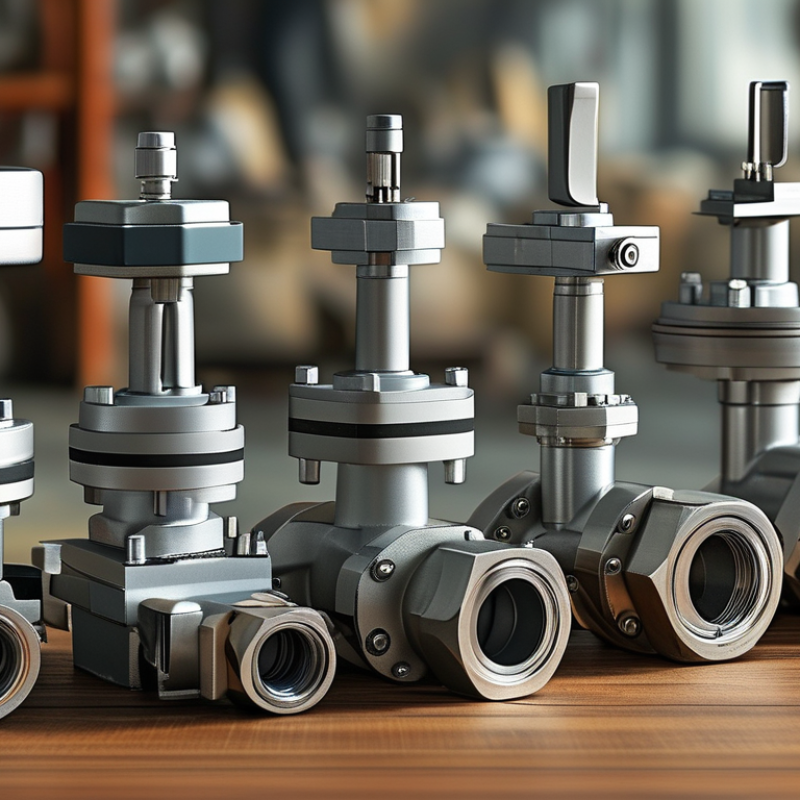
Understanding the Functionality of Choke Valves in Various Applications
Choke valves play a crucial role across various industries, particularly in oil and gas. They regulate flow and pressure during exploration and extraction. A 2022 market report revealed that the choke valve market is projected to grow significantly, fueled by increasing exploration activities. This growth indicates a rising demand for reliable choke valve parts that ensure safety and efficiency.
The essential components of choke valves include the body, trim, and actuator. The valve body houses internal parts and determines flow characteristics. The trim, often made of durable materials, impacts the valve's throttling performance. Actuators control valve opening and closing based on operator input. Inadequate selection of these components can lead to operational inefficiencies. Studies show that 15% of oil extraction accidents result from malfunctioning choke valves due to poor maintenance or subpar design.
Different applications require specific configurations. For instance, offshore operations may necessitate valves with high corrosion resistance. This specialization ensures reliable performance under extreme conditions. Understanding these nuances aids global buyers in making informed sourcing decisions. A lack of awareness about these functional aspects can result in costly downtime and hinder operational success. Therefore, prioritizing knowledge on choke valve parts is vital for anyone engaged in related sectors.
Choke Valve Essential Parts Analysis
Key Components of Choke Valves and Their Importance for Performance
Choke valves play a critical role in controlling the flow of fluids in various industrial applications. The key components of choke valves include the body, trim, and actuator. Each of these parts contributes significantly to the overall performance and efficiency of the valve. According to industry reports, the global choke valve market is projected to grow at a CAGR of 5.2% from 2021 to 2026. This growth underscores the increasing demand for reliable flow control solutions.
The body of the valve is essential for withstanding pressure and ensuring safety. It is usually made from robust materials like stainless steel or alloy. The trim, on the other hand, governs flow rate and pressure drop within the system. This component’s design affects how well a valve can handle varying conditions. A recent study indicated that improper trim size can lead to significant efficiency losses, highlighting the importance of precision in engineering these components.
Actuators are vital for automatic control. They dictate how the valve responds to system demands. Detailed analysis shows that 35% of valve failures are linked to actuator issues. Maintaining these components is crucial for ensuring long-term reliability. The lack of regular inspection for wear and tear often leads to unexpected downtime. This indicates a gap in operational practices that require attention in many organizations.
Material Selection for Choke Valve Parts: Strength and Durability Considerations
When selecting materials for choke valve parts, strength and durability are paramount. Choke valves operate in harsh conditions. They manage high pressures and varying temperatures. Reports indicate that nearly 70% of valve failures result from inadequate material choices. Choosing the right material can significantly reduce maintenance costs and extend the product life.
Commonly used materials include stainless steel and high-strength alloys. Stainless steel is favored for its corrosion resistance. Alloys like Inconel are preferred in extreme environments due to their superior heat resistance. It's critical to balance strength with weight to ensure efficiency. Research suggests that selecting a durable material can lower replacement frequencies by up to 30%. Yet, specifics of application scenarios often complicate material selection.
Design engineers must also consider the environment. In many cases, factors like fluid composition and operating pressure can degrade material integrity. A study found that improperly selected materials can reduce valve life by almost 50%. Continuous advancements in material science show promise. However, the unpredictability of real-world conditions remains a challenge for manufacturers and users alike.
Global Standards and Regulations Affecting Choke Valve Manufacturing
Global standards and regulations significantly shape the manufacturing of choke valves. Compliance with these standards ensures safety and reliability in critical applications. Organizations like the American Petroleum Institute (API) and the International Organization for Standardization (ISO) have established guidelines that govern material selection, design, and testing processes. For instance, API 6A outlines performance requirements for choke valves used in the oil and gas sector, impacting production and safety protocols.
Choke valve manufacturers must continuously adapt to evolving regulations. Non-compliance can lead to costly recalls and reputation damage. In 2020, a report from MarketsandMarkets highlighted that the choke valve market was projected to reach $3.5 billion by 2026, driven partly by stringent safety standards. This trend indicates a growing demand for high-quality components that meet regulatory expectations.
It’s essential for global buyers to stay informed on these standards. Regular training can ensure teams understand updated regulations. Engaging with industry experts can provide valuable insights into compliance strategies. Constantly reviewing designs and processes is crucial, as regulations may change unexpectedly, leading to potential compliance gaps.
Best Practices for Maintaining and Operating Choke Valve Components
Choke valves play a crucial role in controlling flow in various industries, especially in oil and gas operations. Maintaining and operating these components effectively can prevent costly failures. Regular inspection of choke valve parts like stems, seats, and seals is vital. Research indicates that up to 30% of production downtime is caused by valve-related issues.
Proper lubrication is essential for choke valve longevity. Using the right lubricant can decrease wear on seals and stems. An improperly lubricated valve can lead to increased friction and potential valve failure. It's also important to monitor valve performance under different operational conditions. A comprehensive study found that nearly 25% of choke valve malfunctions result from operational mismanagement.
Training operators on best practices is equally important. Many personnel lack the necessary skills to troubleshoot issues effectively. A significant gap in knowledge often leads to inefficient valve performance. Continually educating staff on the latest maintenance techniques enhances reliability. Regular audits can identify weaknesses in operational procedures. This is an area where many companies fall short, affecting overall system efficiency.