Why is a Grinding Machine Essential for Precision Manufacturing?
In the realm of precision manufacturing, a Grinding Machine plays a vital role. Recent data from the American Society of Mechanical Engineers indicates that over 30% of all manufacturing companies rely on grinding processes for their component creation. This reliance underscores the importance of accuracy and detail in manufacturing, where even the slightest deviation can lead to costly errors.
Grinding Machines enable manufacturers to achieve tight tolerances and superior surface finishes. For instance, achieving a surface roughness of Ra 0.1 micrometers is now possible, thanks to advanced grinding technology. However, the complexity of operating these machines highlights a gap in training and expertise. Many operators still lack the necessary skills, which can compromise production quality.
Moreover, the industry is evolving, with new grinding techniques emerging. These innovations promise better efficiency but require continuous learning from operators. As the market for precision components grows by 5% annually, the need for skilled operators and high-quality Grinding Machines has never been more critical. Manufacturers must address these gaps to maintain competitive advantages and ensure sustainable growth.
Importance of Precision in Manufacturing Processes
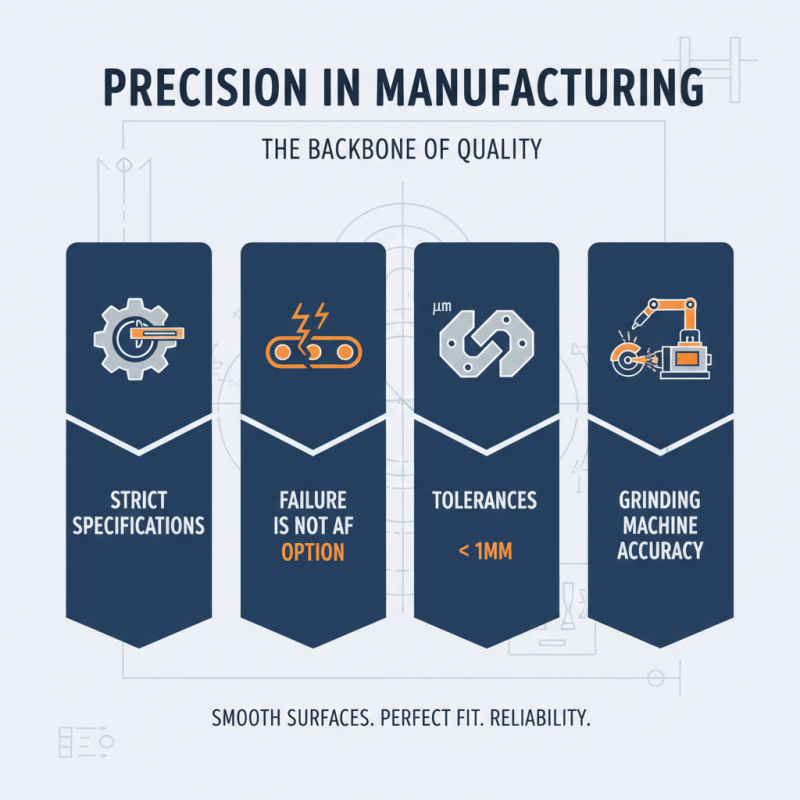
Precision is the backbone of quality manufacturing. Every component must meet strict specifications. When precision falters, the entire production line can suffer. Tolerances as small as a fraction of a millimeter can dictate the success of a part. Such detail requires the precision that only a grinding machine can provide. These machines ensure that surfaces are smooth and fit together perfectly, minimizing the risk of failure.
Manufacturers often struggle with the balance between speed and accuracy. While achieving quick production is critical, it should not compromise quality. A grinding machine tackles this challenge effectively. It streamlines the process, producing parts that meet exacting standards. This balance is vital as imperfect components can lead to costly recalls or reworks. Each mistake offers a lesson but can be disastrous if repeated.
Incorporating grinding machines into production workflows can lead to higher standards of quality assurance. Yet, using this technology also requires skilled operators. Training is essential to maximize efficiency and minimize errors. Investing in expertise creates a more reliable operation. However, there is always room for improvement. Continuous evaluation of processes can reveal areas for enhancement, ensuring that the commitment to precision does not waver.
Role of Grinding Machines in Achieving Precision
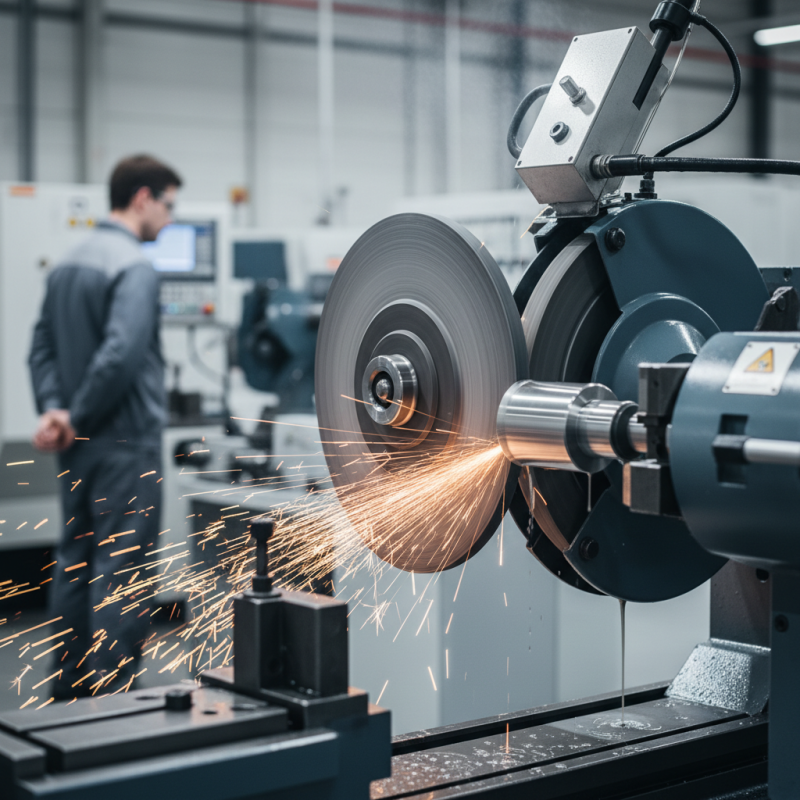
Grinding machines play a crucial role in precision manufacturing. They are key tools for achieving tight tolerances and high surface finishes. These machines use abrasive wheels to remove material from workpieces. The result is a refined shape and improved dimensions. This process is essential when working with metals and hard materials.
The significance of grinding machines lies in their ability to deliver consistent results. They can fine-tune dimensions to within micrometers. However, achieving such precision requires skill and practice. Operators must understand machine settings and material properties. Even minor errors in setup can lead to significant discrepancies. It is a delicate balance between speed and quality.
Investing time in training can enhance the effectiveness of these machines. Regular maintenance ensures they operate at peak efficiency. Yet, no machine is perfect. Operators may still encounter challenges, such as material buildup on wheels. Addressing these issues is part of the learning process. Each experience contributes to better outcomes and enhances the overall manufacturing quality.
Why is a Grinding Machine Essential for Precision Manufacturing?
| Dimension |
Value |
| Precision Tolerance |
±0.01 mm |
| Surface Finish |
Ra 0.2 - 0.4 μm |
| Grinding Wheel Types |
Alumina, CBN, Diamond |
| Typical Applications |
Tool sharpening, gear grinding, and aerospace component finishing |
| Advantages |
High accuracy, precision surface finishes, versatility in material processing |
| Common Industries |
Automotive, aerospace, machining, metalworking |
Types of Grinding Machines and Their Applications
Grinding machines are vital in precision manufacturing. They sharpen and finish workpieces with high accuracy. Several types serve various purposes in various industries. Understanding these machines can guide professionals in choosing the right one for their specific needs.
Cylindrical grinding machines shape external surfaces of objects. They are ideal for producing shafts, spindles, or cylindrical parts. Surface grinding machines, on the other hand, focus on creating flat surfaces. These machines come into play when precision is crucial. Tool and cutter grinders sharpen cutting tools with exact shapes. Yet, the operator must maintain skill and care to avoid damaging the tools during the process.
Belt grinders are versatile, used for grinding, sanding, or finishing surfaces. They adjust to handle different materials, from metals to plastics. However, incorrect settings can cause uneven finishes. Each type of grinding machine has unique features and limitations. Choosing one requires understanding these aspects. Ultimately, the right grinding machine impacts both productivity and quality.
Techniques Used in Grinding for Enhanced Accuracy
In precision manufacturing, grinding machines play a vital role. They use various techniques to achieve enhanced accuracy. One key method is surface grinding, which removes material from a workpiece's surface to meet tight tolerances. This process ensures a smooth finish, essential for components that require precise fits.
Another important technique is cylindrical grinding. This method allows for the creation of cylindrical shapes with high accuracy. It can effectively handle different materials, ensuring consistent performance. Operators must control factors like speed and feed rate. Even slight adjustments can impact the outcome.
**Tips:** Always inspect the grinding wheel before use. A damaged wheel can lead to inaccuracies. Regular maintenance is key to performance. Keep tools aligned and calibrated for better results. This proactive approach minimizes errors and leads to a more reliable output. A small oversight might create unnecessary waste or downtime. Ensuring good practices can help reduce these issues.
Impact of Grinding Machines on Manufacturing Efficiency
Grinding machines play a crucial role in precision manufacturing. They enhance efficiency in various applications, significantly impacting production timelines. Research indicates that integrating advanced grinding techniques can improve productivity by up to 30%. This enhancement is crucial in sectors like aerospace and automotive, where precision is non-negotiable.
One notable aspect of grinding machines is their ability to create intricate shapes and precise tolerances. Manufacturers report that using these machines helps reduce material waste. Reports show that companies could save approximately 20% on material costs through effective grinding processes. Such efficiency plays a vital role in maintaining competitive advantage.
Tips: When selecting a grinding machine, consider its precision capabilities carefully. Evaluate how it fits your production needs. Regular maintenance is essential to keep performance consistent.
However, operators often face challenges. Some grinding processes can lead to wear on tools, impacting the overall quality. It's essential to monitor usage and adjust parameters accordingly. Understanding these variables can help ensure optimal results. A little awareness goes a long way in mitigating issues.
Impact of Grinding Machines on Manufacturing Efficiency
This chart illustrates the impact level of various factors influenced by grinding machines in precision manufacturing. A higher impact level indicates greater efficiency in production speed, reduced material waste, enhanced product quality, optimized energy consumption, and minimized setup time.