How to Find Reliable Machine Services Suppliers?
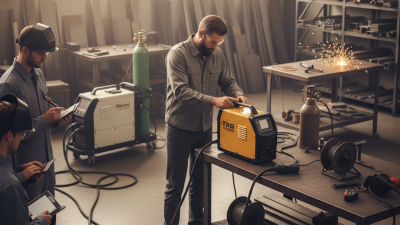
Finding a reliable Services Machine supplier begins with evidence, not attractive promises. A polished website cannot reveal spindle accuracy, maintenance discipline, or delivery consistency. Buyers should examine factory experience, engineering capability, inspection records, and customer references before signing any agreement.
Dr. Joseph M. Juran, a respected manufacturing quality authority, said, “Quality is fitness for use.” His words apply directly to supplier evaluation. A machine may meet a specification and still fail in a dusty workshop, under heavy production pressure, or beside poorly trained operators. Ask suppliers to explain tolerance control, component origins, software support, spare-part availability, and response times. Request test reports and, when possible, visit an operating customer site.
Look closely.
Reliable suppliers welcome practical questions. They explain limitations instead of hiding them. That matters. A serious supplier should also provide clear warranty terms, installation procedures, training plans, and documented acceptance testing. These details reduce avoidable downtime and make future disputes less likely.
However, no evaluation method is perfect. A reference customer may present an unusually positive experience. A factory visit may show its best production line. Buyers should compare several sources and record findings consistently. Independent technical inspection can add useful confidence, especially for expensive or customized equipment.
The strongest choice is not always the cheapest quote. It is the supplier that combines stable performance, transparent communication, and support after delivery. In the Services Machine industry, reliability is proven over time, through measured results and honest service. That standard deserves careful attention.
Understanding What Reliable Machine Services Suppliers Provide
How to Find Reliable Machine Services Suppliers?
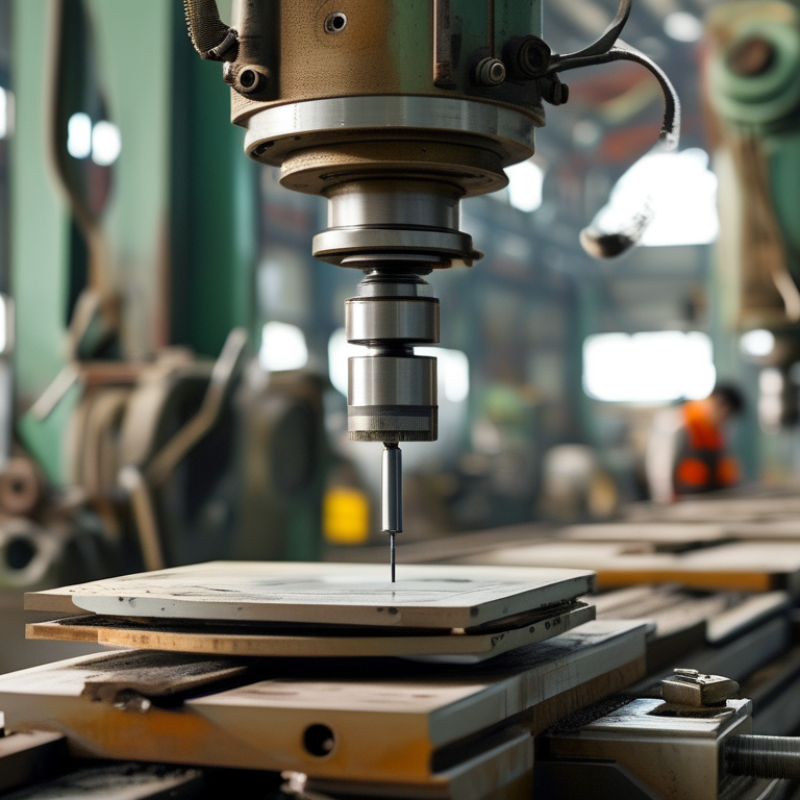
Reliable machine services suppliers provide more than emergency repairs. They protect uptime through planned maintenance, accurate diagnostics, and clear service records. Experienced technicians inspect vibration, heat, lubrication, and unusual noise before recommending repairs. Their reports should explain the fault, required parts, labor hours, and expected machine performance.
A dependable supplier also offers traceable parts, documented safety procedures, and realistic response times. Ask how technicians are trained and whether they understand your machine’s operating environment. On-site service matters when a damaged bearing stops production at 6 a.m. Remote support can help, but it cannot replace careful inspection. I have seen suppliers promise fast repairs, then provide vague updates. That weakness deserves attention.
Tips: Request sample reports, service references, warranty terms, and a written maintenance schedule. Check whether quoted prices separate labor, parts, travel, and testing. Ask difficult questions early. Reliable suppliers answer clearly. They admit limits. No supplier is perfect. A missed detail can still occur, especially during urgent work. However, trustworthy providers document mistakes, explain corrections, and improve their process. Their communication should feel practical, not polished for appearance. Watch the small details: clean tools, labeled components, photographs of worn parts, and technicians who explain findings without pressure. These signs reveal professional habits better than a sales promise.
Defining Your Machine Service Requirements and Quality Standards
Reliable machine service sourcing begins with precise requirements, not a broad request for “good support.” Define the machine type, operating hours, location, failure risks, and expected response time. Record symptoms with photographs, alarm codes, unusual sounds, and maintenance history. A technician can act faster when evidence is specific. We learned this after an incomplete equipment description delayed a repair. Small omissions become expensive.
Set measurable quality standards before contacting suppliers. Require documented technician qualifications, safety procedures, inspection checklists, parts traceability, and service reports with readings. Specify acceptable downtime, communication intervals, warranty terms, and escalation routes. Ask for sample reports, not polished promises. A credible supplier should explain diagnostic methods and acknowledge limitations. If calibration, electrical work, or lifting support is involved, verify relevant authorization and insurance in your region. Requirements should match actual risk, rather than copy a generic contract.
Use a trial assignment when practical. Observe arrival discipline, tool condition, questions asked, and how clearly findings are explained. Do not judge quality only by a fast restart. The fault may return. Compare proposed preventive actions with operating data and technical instructions. Keep a scoring sheet, but allow professional judgment. Our own checklist once overlooked operator training, proving that standards can be precise yet incomplete. Invite the supplier to challenge unclear assumptions before signing.
Finding Potential Suppliers Through Industry Research and Referrals
Finding reliable machine service suppliers starts with disciplined industry research. Search trade associations, technical forums, maintenance publications, and regional manufacturing directories. Compare suppliers by machine types, response times, certifications, and documented repair experience. The 2023 ISO Survey recorded 1,265,216 ISO 9001 certificates worldwide. However, certification shows process control, not guaranteed technical skill. Ask for service records, technician qualifications, and measurable repair outcomes.
Referrals add practical evidence that websites often hide. Speak with plant managers, maintenance engineers, and equipment operators. Ask how the supplier handled an urgent breakdown. Request details about diagnosis time, spare-part availability, and communication quality. The World Bank’s 2023 Logistics Performance Index assessed 139 economies across customs, infrastructure, and delivery reliability. These factors matter when a supplier must move heavy parts quickly. A strong referral should include real operating conditions.
Tips:
Build a shortlist of three suppliers. Visit one workshop if possible. Check calibration records and insurance documents. Ask for two recent customer references. Test communication with a small service request before signing a larger contract. Do not rely on polished proposals alone. I have seen technically capable suppliers underestimate travel delays and documentation work. That weakness deserves attention. Also, referral opinions can be biased, so verify every claim against records, site visits, and written service terms.
Evaluating Supplier Experience, Capabilities, Certifications, and Reviews
Finding a reliable machine services supplier starts with practical evidence, not impressive promises. Review their experience with materials, tolerances, and production volumes similar to yours. Ask for sample inspection reports and photographs of finished parts. A supplier that explains failures honestly often deserves more trust than one claiming perfection.
Examine capabilities closely. Confirm their equipment, software, measurement tools, maintenance routines, and available finishing processes. Certifications can support reliability, but check their issuing body, validity period, and exact scope. A certificate may cover quality management, not every machining process. I once trusted a polished presentation too quickly. That mistake taught me to compare documented capacity with actual factory conditions.
Tips: Read recent reviews with specific details about delivery, communication, and corrective action. Look for repeated patterns, not one angry comment. Request two or three customer references when possible. Speak with the production and quality teams, not only sales staff. Ask how they handle a late shipment or an out-of-tolerance part. Their answer reveals operational maturity. Also, leave room for uncertainty. Reviews can be incomplete, and audits show only one moment in time. Evaluate evidence from several sources before committing to a long-term arrangement.
How to Find Reliable Machine Services Suppliers?
A practical evaluation framework covering supplier experience, technical capabilities, certifications, and customer reviews.
Recommended evaluation weighting: technical capabilities receive the highest priority because machine accuracy, equipment range, process control, and production capacity directly affect delivery quality. Experience, certifications, and verified reviews provide additional evidence of reliability.
The percentages represent a buyer-defined scorecard, not market-share data. Certification checks should include relevant standards such as ISO 9001, while reviews should be verified for recency and project relevance.
Comparing Quotes, Service Terms, Support, and Long-Term Reliability
Finding a reliable machine services supplier starts with comparing quotes line by line, not choosing the lowest total.
Ask each supplier to separate labor, travel, parts, inspection fees, and emergency rates. A cheap quote may exclude calibration or weekend support. That difference appears later, usually when production is already waiting. Request a written scope with machine models, service hours, response times, and completion standards. Short quotes hide details.
Service terms reveal how a supplier works under pressure.
Check warranty length, exclusions, payment stages, cancellation rules, and liability for damaged components. Ask what happens if the first repair fails. A dependable supplier should explain escalation clearly, without vague promises. Test support before signing. Send a practical question and measure the reply time, technical accuracy, and willingness to share troubleshooting steps. Fast replies are not always useful.
Long-term reliability needs evidence, not confident sales language.
Request customer references, technician certifications, parts-sourcing plans, and sample maintenance reports. Look for consistent records: arrival times, repeat failures, and preventive recommendations. I once accepted a lower quote and overlooked travel charges. The final cost was higher, and the delay embarrassed our team. That mistake changed my checklist, although it did not make it perfect. Recheck assumptions every year. A supplier who records problems honestly may be safer than one promising flawless service. Ask how they will support an aging machine when original parts become difficult to obtain.