Why Are Orthopedic Implants Important for Joint Health?
orthopedic implants play a critical role in maintaining joint health. These devices support or replace damaged joints. Millions of people suffer from joint pain due to injuries or diseases. An orthopedic implant can improve their quality of life.
The design of an orthopedic implant is fascinating. Materials like titanium or ceramic are commonly used. These materials provide strength and durability. However, not all implants are perfect. Some patients may experience complications, such as infection or implant failure. Each case is unique, requiring careful consideration before surgery.
The success of an orthopedic implant depends on many factors. These include the surgeon's skill and the patient's overall health. Rehabilitation also plays a crucial role after the procedure. While implants can significantly enhance mobility, they are not a cure-all. Patients should discuss potential risks with their doctors. Understanding these nuances is essential for informed decisions regarding joint health.
The Role of Orthopedic Implants in Joint Functionality
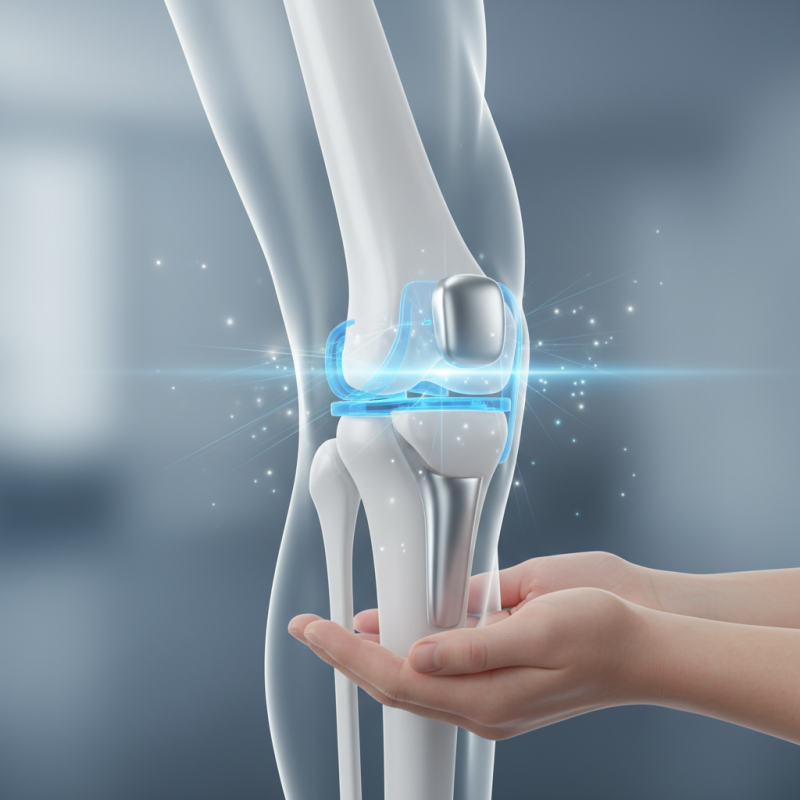
Orthopedic implants play a crucial role in restoring joint functionality. These devices are designed to support joints affected by injury or disease. In fact, a 2021 report from the American Academy of Orthopaedic Surgeons indicated that over 1 million knee and hip replacements are performed annually in the United States alone. These surgeries are often essential for improving mobility and reducing pain.
The function of orthopedic implants goes beyond mere support. They allow individuals to regain their active lifestyles. However, not all patients respond positively to implants. Complications can arise, such as loosening or infection. Research shows that about 10% of joint replacement patients may face complications within ten years. This raises questions about patient selection and pre-operative assessments.
Modern implants are continuously evolving. Innovations in materials and design aim to enhance longevity and reduce complications. However, the journey to optimal joint functionality remains challenging. Patients must engage in rehabilitation to ensure the best outcomes. Continuous education for both patients and healthcare providers is crucial in making informed decisions about joint health.
Types of Orthopedic Implants Used in Joint Health
Orthopedic implants play a vital role in maintaining joint health. These devices are designed to support or replace damaged joints, which can improve mobility and reduce pain. There are various types of implants used in orthopedic procedures, each serving a different purpose. Common types include metal screws, plates, and joint replacements.
Metal screws and plates are often used to stabilize fractures. They help hold bones together as they heal. Joint replacements, like hip or knee implants, replace worn-out joints. These implants are made from durable materials that mimic natural joint movement. They can significantly enhance the quality of life for individuals suffering from arthritis or injury.
While orthopedic implants are effective, challenges can arise. Some patients may experience rejection or complications. The longevity of these implants is also a concern. Regular check-ups and monitoring are essential. Each implant type has its own risks and benefits, leaving patients with important choices to consider. It is crucial to have informed discussions with healthcare providers about the best options for individual needs.
How Orthopedic Implants Facilitate Recovery and Rehabilitation
Orthopedic implants play a crucial role in joint recovery. They help stabilize damaged joints. This stability is vital for healing. With the right implant, patients can regain mobility much faster. For example, joint replacements allow individuals to walk again. These improvements greatly enhance the quality of life.
The recovery process can be challenging. Physical therapy often follows surgery with implants. Patients must work hard to regain strength. Sometimes, progress feels slow. Frustration can set in. However, persistent effort often leads to significant gains. The road to rehabilitation may not be straightforward, but every small step counts.
Moreover, implants provide a foundation for lasting joint health. They may not last forever. Regular check-ups are essential. Patients must be aware of their bodies. Listening to pain signals is crucial. This ongoing communication with health care providers ensures long-term success. The journey of recovery is not just physical; it requires mental strength too.
Why Are Orthopedic Implants Important for Joint Health? - How Orthopedic Implants Facilitate Recovery and Rehabilitation
| Aspect | Details |
| Types of Implants | Knee, Hip, Shoulder, Ankle, Spine |
| Material Used | Titanium, Stainless Steel, Ceramic, Polymer |
| Primary Use | To provide stability and support to damaged joints |
| Benefits | Reduced pain, Improved mobility, Faster recovery |
| Risks | Infection, Implant failure, Allergic reactions |
| Rehabilitation Time | Varies by implant type; typically 6 weeks to 6 months |
| Post-Operative Care | Physical therapy, Pain management, Regular follow-ups |
Impact of Orthopedic Implants on Quality of Life and Mobility
Orthopedic implants play a significant role in enhancing joint health. They provide stability and support, which can greatly improve mobility. Patients with joint issues often find it difficult to perform daily activities. With implants, many experience a renewed sense of freedom. They are able to walk, run, and engage in hobbies once again.
Tips: Focus on gentle exercises to complement your recovery. Regular, low-impact activities can help maintain flexibility. Listening to your body is crucial. If discomfort arises, it’s essential to consult your doctor.
Quality of life improves remarkably with proper joint care. Those who receive orthopedic implants often report less pain and a greater ability to socialize. However, it's vital to remain mindful. Overexertion can lead to setbacks. Reflecting on your progress allows for a more measured approach to everyday activities. Prioritize rest and take one step at a time.
Impact of Orthopedic Implants on Quality of Life and Mobility
Potential Risks and Considerations with Orthopedic Implants
Orthopedic implants play a vital role in enhancing joint health, yet they come with potential risks. One of the primary concerns is infection. After surgery, the area around the implant can become vulnerable. Any sign of redness or increased pain should be addressed immediately.
Another issue is implant failure. Over time, implants may loosen or break. This can cause discomfort and may require additional surgery. Patients should discuss their activity levels with their doctors. Some activities may increase the risk of complications.
Tips: Always maintain open communication with your healthcare team. Regular check-ups can help detect any problems early. Additionally, consider lifestyle changes to support joint health. Weight management and low-impact exercises can help reduce strain on implants. Stay informed about the latest research and advancements in orthopedic care.