What is Industrial Milling Machine and How Does it Work?
Industrial Milling Machines play a crucial role in various manufacturing sectors. According to a report by Research and Markets, the global milling machine market is expected to reach USD 5.12 billion by 2026. This growth highlights the importance of these machines in achieving precise cuts and shapes in materials like metal, wood, and plastic.
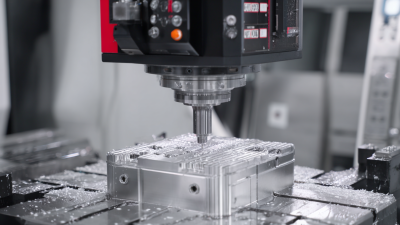
These machines operate by using rotary cutters to remove material from a workpiece. Such processes are vital in industries such as aerospace, automotive, and electronics. However, the effectiveness of an Industrial Milling Machine relies on its setup and the operator's expertise. Even though technology has advanced, human error can still affect outcomes. Some operators fail to optimize settings for specific materials, leading to wastage and increased costs.
In an era of automation, many manufacturers are adopting CNC milling machines. This shift enhances precision but also requires skilled workers who understand both the technology and manual processes. Balancing automation and traditional skills is key. As the industry evolves, understanding how Industrial Milling Machines function and their best practices is essential for maintaining competitiveness and efficiency.
Definition and Overview of Industrial Milling Machines
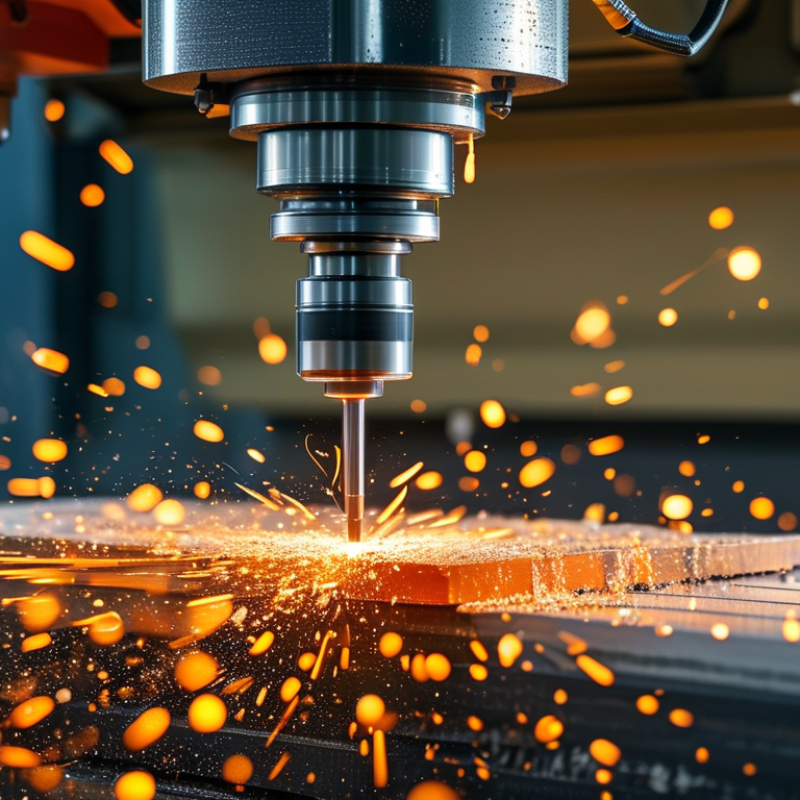
Industrial milling machines play a crucial role in modern manufacturing. They reshape materials by removing excess material. This process is known as milling. These machines operate using rotary cutters, which spin at high speeds. They are capable of achieving precise cuts and finishing surfaces, making them essential in various industries.
Milling machines vary in design and functionality. Some are vertical, while others are horizontal. Each type has its unique advantages. Vertical mills often provide better visibility and easier access to the workpiece. On the other hand, horizontal mills are typically more robust and handle larger pieces.
The operation of these machines requires skilled technicians. They must understand various settings and adjustments. Not everyone can operate an industrial milling machine effectively. Mistakes can lead to waste or faulty products. Proper training is essential. Without it, efficiency and quality may suffer. Additionally, regular maintenance is critical. Machines need checks to ensure optimal performance. Neglecting maintenance can result in breakdowns.
Key Components of Industrial Milling Machines
Industrial milling machines play a crucial role in manufacturing. They use rotating cutting tools to remove material from a workpiece. Understanding their key components helps us appreciate their functionality.
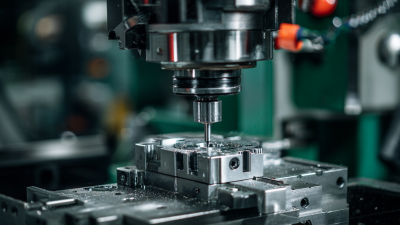
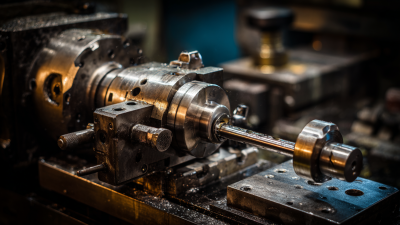
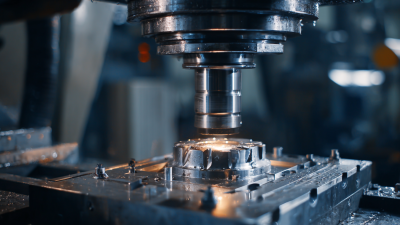
The main part is the milling head. This houses the spindle and cutting tools. It allows for vertical or horizontal movement. The table supports the workpiece. It can move in multiple directions for precise cuts. The base provides stability. This ensures that the machine operates smoothly and reduces vibrations.
Another notable component is the motor. It powers the spindle and cutting tools. A powerful motor enhances efficiency and speed. Operators must pay attention to tool wear. Dull tools can lead to poor results. Regular maintenance of these components is essential for optimal performance. Without proper care, even the best machines can falter.
Different Types of Milling Machines and Their Applications
Milling machines come in various types, each designed for specific applications. The most common include vertical and horizontal milling machines. Vertical milling machines allow for precise cutting and drilling operations. They are ideal for tasks requiring a high degree of accuracy. According to industry reports, vertical milling machines account for about 60% of the market due to their versatility and ease of use.
Conversely, horizontal milling machines offer different advantages. They are suited for larger workpieces and can perform multiple cuts simultaneously. This makes them essential for heavy-duty machining tasks. Reports indicate that the demand for horizontal milling machines is increasing, particularly in the aerospace and automotive industries. These sectors rely on efficient milling processes to enhance productivity.
Additionally, specialty milling machines cater to unique needs. For instance, CNC milling machines provide automation and precision, becoming essential in modern manufacturing. They can operate unattended, significantly reducing labor costs. However, reliance on automation can lead to a lack of skilled operators, which raises concerns about workforce training and job sustainability in the long term.
The Milling Process: How Industrial Milling Machines Operate
Industrial milling machines play a crucial role in manufacturing. They are essential for shaping materials like metal and plastic. The milling process involves cutting, drilling, and grinding. These machines can create complex parts with high precision. Operators can adjust parameters to meet specific requirements.
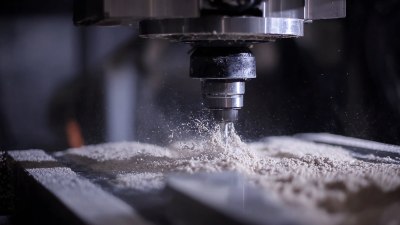
The milling operation typically begins with the selection of appropriate tools. The type of cutter depends on the material and desired outcome. The machine moves the workpiece against the rotating cutter. This motion allows for different shapes to be formed. Coolants may be used to reduce heat and improve the finish. Frequently, the setup can be time-consuming, demanding high attention to detail.
In practice, challenges may arise during milling. Variations in material hardness can affect outcomes. Operators need to be vigilant and ready to make adjustments. Regular maintenance ensures machines run smoothly, yet it can be overlooked. With experience, operators can learn to anticipate issues, helping to enhance overall efficiency. Engaging in continued education about new techniques is essential for long-term success.
Maintenance and Safety Considerations for Milling Machines
Milling machines are essential tools in manufacturing. However, they require careful maintenance to ensure optimal performance. Regular checks of the machine’s components can help prevent breakdowns. Components like the spindle, gears, and bearings should be inspected for wear and tear. This can save time and reduce repair costs long-term.
Safety is another critical factor when operating milling machines. Operators should always wear appropriate protective gear. This includes safety glasses and gloves. A clean workspace is essential to prevent accidents. Establishing clear safety protocols is vital. Operators should be trained to recognize hazards and respond appropriately. Often, safety procedures can be overlooked in busy environments.
Mistakes happen, even with experience. It's a good practice to conduct routine audits of maintenance logs. This allows for reflection on past oversights. Simple tasks, like cleaning and lubrication, are often neglected. Negligence in these areas can lead to significant issues. Prioritizing consistent maintenance and safety protocols will enhance machine longevity. It also promotes a safer working environment for everyone involved.