What is a Paper CNC Machine and How Does It Work?
A Paper Cnc Machine is an innovative tool that combines precision engineering with the versatility of paper crafting. This machine allows creators to produce intricate designs and patterns with razor-sharp accuracy. By utilizing computer numerical control (CNC) technology, the Paper CNC Machine can automate cutting, scoring, and engraving processes. This not only saves time but also enhances the overall quality of the work produced.
In recent years, the popularity of paper crafting has surged. Artists, educators, and hobbyists are drawn to the Paper CNC Machine for its ability to transform simple sheets of paper into stunning visual art. However, operating this machine requires a learning curve. Users must understand software, settings, and material types to achieve desired results. Mistakes can happen, and experimentation is key to mastering this technology.
Despite its capabilities, the Paper CNC Machine is not without challenges. Users may face issues when selecting the right paper or adjusting machine parameters. It can be frustrating to produce unsatisfactory results. Yet, overcoming these obstacles often leads to greater creativity and innovation. The journey of learning and discovery makes working with a Paper CNC Machine a rewarding experience for many.
What is a Paper CNC Machine? Definition and Overview
A Paper CNC machine is a specialized tool designed for cutting, engraving, and shaping paper products with high precision. This technology utilizes computer-controlled mechanisms to execute complex designs that are challenging with manual methods. According to a recent industry report, the demand for CNC machinery, including paper CNC machines, is expected to grow by over 7% annually. This growth reflects the increasing reliance on automation in crafting and production sectors.
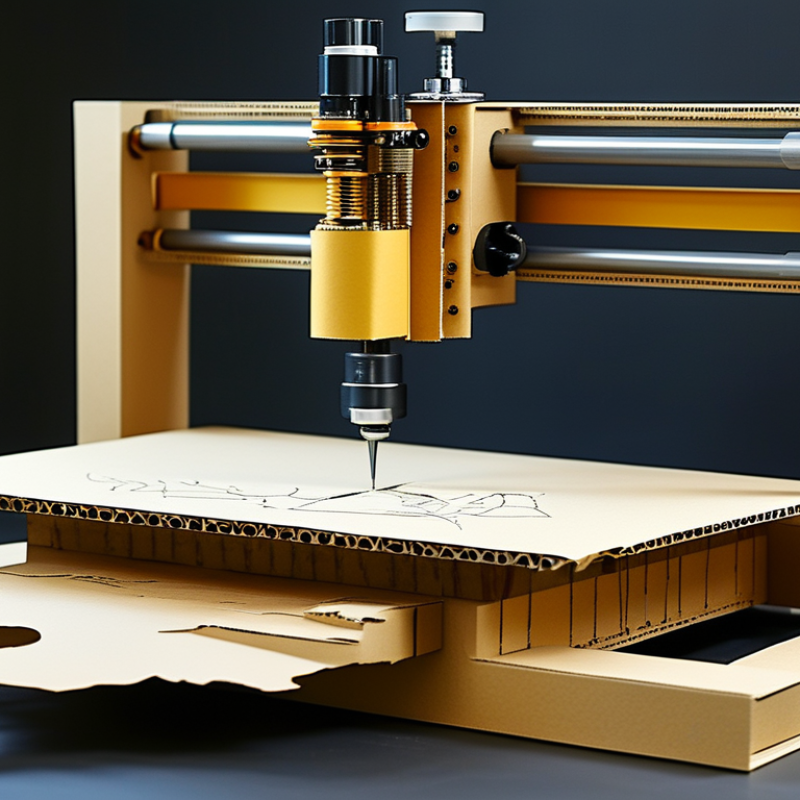
Understanding the operation of a Paper CNC machine involves grasping its components. These machines typically consist of a computer interface, a cutting head, and a sturdy table. Users input designs via software, which instructs the machine on how to cut or engrave the material. The precision is remarkable; many models can achieve tolerances as tight as +/- 0.1 mm. Anecdotal evidence suggests that users frequently notice inconsistencies in material thickness, which may affect the final product quality.
Despite the advantages, challenges persist. Operators must regularly calibrate their machines to maintain accuracy. Additionally, the intricacies of software can be daunting for newcomers. Some users report a steep learning curve, which can be discouraging. Nonetheless, Paper CNC machines represent a significant advancement in the paper crafting industry, enabling creators to push the boundaries of their artistic visions.
Paper CNC Machine Usage Statistics
Key Components of a Paper CNC Machine: A Breakdown of Parts
A paper CNC machine, designed for precision cutting and engraving, consists of several crucial components. The frame provides the essential structure, typically made from steel or aluminum, ensuring stability during operation. A robust frame helps to minimize vibrations that can affect accuracy.
The motion system is another key part. It usually employs stepper or servo motors to move the cutting tool along the X, Y, and sometimes Z axes. These motors are vital for achieving precise movements. The control board interprets the computer commands, aiding in the smooth operation of the machine. This board influences how accurate your cuts will be.
The spindle holds the cutting tool in place. Different spindles can accommodate various tools, affecting the machine's versatility. A good spindle allows for a cleaner cut and a better finish. The software interface is equally important, ensuring user-friendliness. However, mastering this software can be challenging for beginners. Understanding these components can lead to better results and improved project outcomes.
How Paper CNC Machines Operate: Step-by-Step Process
Paper CNC machines are unique tools that create precise designs from paper. They operate through a series of steps that transform simple sheets into intricate artwork. Understanding their operation can enhance one's craftsmanship.
The process begins with digital design. Users create or select a design on computer software. This design is translated into code that the CNC machine can understand. The machine, equipped with a cutting tool, follows this code meticulously. It cuts through the paper layer by layer, ensuring accuracy. Users can adjust speed and depth for different results.
Once cutting begins, small adjustments may be necessary. Sometimes the paper shifts slightly, causing misalignment. This can lead to imperfect cuts. Users must monitor the operation closely to address any issues. Observing the machine at work provides valuable insights into its functionality. It is an art as much as it is science, requiring both skill and attention to detail.
Applications of Paper CNC Machines in Industry and Art
Paper CNC machines are revolutionizing various fields, particularly in art and industry. These machines cut intricate designs into paper with precision. Artists are using them to create complex sculptures and delicate paper cuts. The ability to replicate designs allows for a perfect balance between creativity and efficiency.
In the industrial sector, paper CNC machines have made their mark in packaging and prototyping. They streamline production processes, reducing waste and time. Industries can produce models for testing or packaging elements that are both functional and visually appealing. However, the technology is not without its flaws. Sometimes, the machines misinterpret designs, leading to wasted materials and frustration.
Artists often face challenges in adapting their traditional techniques to this new tool. There’s a learning curve involved, and creativity can sometimes feel restricted. The precision provided can also limit the organic feel that hand-cut pieces offer. Despite these bumps along the way, the potential of paper CNC machines remains vast. They represent a fusion of technology and artistry, inviting both innovation and reflection.
Market Trends: Adoption Rates and Growth Projections for Paper CNC Machines
The paper CNC machine market is evolving rapidly. More businesses are adopting these machines, drawn by their precision. The ability to create intricate designs is appealing to many industries, including packaging and manufacturing. Adoption rates have surged, especially among small to mid-sized enterprises. These companies are looking for ways to improve efficiency and reduce costs.
Growth projections indicate a promising future for paper CNC machines. As technology advances, more features are becoming available. Users are more informed about their options, leading to higher demand. However, some companies struggle to keep up with rapid changes. Training staff and integrating new machines can be challenging.
Despite these hurdles, the overall trend shows optimism. Innovations and applications are continuously emerging. Many see the potential of paper CNC machines as transformative. The urge to stay competitive drives more companies to invest. Yet, the industry must address the learning curve and adaptation challenges. Balancing innovation with practical usability remains crucial.