What are Spring Energized Seals and their Benefits for Buyers?
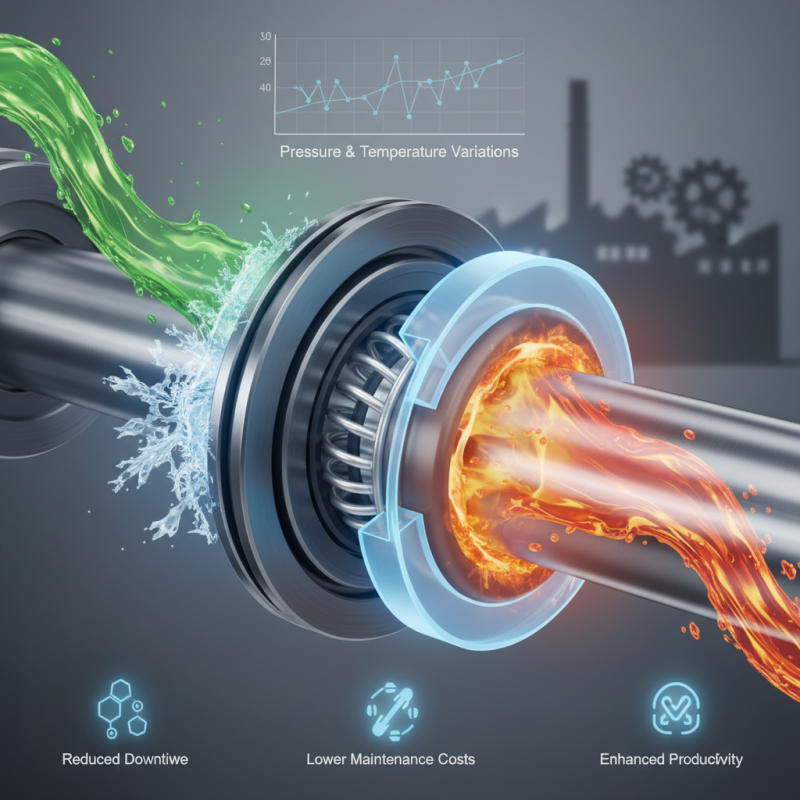
Spring Energized Seals play a vital role in many industrial applications. These specialized seals utilize a spring mechanism to maintain contact with a dynamic surface. This feature enables them to perform well in extreme conditions. Buyers often seek these seals for their unique ability to handle temperature variations and pressure changes.
The benefits of Spring Energized Seals are significant. They reduce downtime and maintenance costs, which can enhance overall productivity. In environments with harsh chemicals or high speeds, their performance stands out. However, some users may find the initial cost higher compared to traditional seals. This factor can be a barrier for small businesses or budget-conscious buyers.
Understanding these seals is crucial for making informed decisions. Buyers should consider their specific needs and application environments. Proper selection can lead to long-term benefits. Still, it’s essential to reflect on what works best for you. Balancing cost with performance ensures a solid return on investment.
What are Spring Energized Seals?
Spring energized seals are innovative sealing solutions that use a spring mechanism to achieve optimal sealing performance. These seals are designed to maintain contact with the mating surface, ensuring minimal leakage and preventing environmental contamination. They adapt to changes in pressure and temperature, making them highly versatile for various applications.
The construction of spring energized seals involves a flexible polymer body fitted with a spring. This unique design allows the seal to compensate for wear over time. Unlike traditional seals, they provide reliable functionality even under extreme conditions. They are suitable for dynamic and static sealing applications, making them popular in industries such as aerospace, automotive, and manufacturing.
However, despite their advantages, it’s essential to consider their limitations. Installation requires precision, and failure to do so may lead to premature wear. Furthermore, the selection of materials influences performance significantly. Not all polymer types will suit every application. Individual performance can vary based on specific operating conditions. Evaluating these factors carefully can help buyers make informed decisions.
Benefits of Spring Energized Seals
This chart illustrates the evaluation of various benefits provided by Spring Energized Seals across different dimensions, showcasing their high ratings in pressure resistance, longevity, and chemical compatibility among others.
Construction and Materials of Spring Energized Seals
Spring energized seals are designed with a unique mechanism that enhances their sealing capabilities. These seals utilize a spring to maintain continuous contact with the sealing surface. This innovation allows for adaptability in various operating conditions. The spring’s pressure ensures a tight seal, even under fluctuating temperatures and pressures.
The materials used in spring energized seals are crucial for their performance. Common materials include silicone, fluorosilicone, and PTFE. Each material has specific properties that cater to different applications. For instance, PTFE is known for its chemical resistance. According to industry reports, seals made from these durable substances can retain sealing integrity amid extreme conditions, reducing the likelihood of leakage.
However, the effectiveness of these seals can be compromised if not appropriately selected. Factors such as application environment, temperature, and pressure must align with the seal's material properties. Insufficient analysis can lead to premature wear or seal failure. Understanding the interplay between material choice and operational demands is essential for maximizing the benefits of spring energized seals.
What are Spring Energized Seals and their Benefits for Buyers?
| Feature | Description | Benefits |
| Material Options | Energized seals can be made from elastomers, thermoplastics, or custom formulations. | Offers flexibility to choose materials that fit specific application requirements. |
| Temperature Range | Suits a wide range of temperatures, from cryogenic to high-heat applications. | Enhances efficiency and reliability in extreme environments. |
| Sealing Performance | Provides effective sealing under various pressure and movement conditions. | Reduces leakage, saving costs and enhancing safety. |
| Installation | Ease of installation with pre-configured sizes and shapes. | Shortens assembly time and lowers installation costs. |
| Durability | High resistance to wear, chemicals, and environmental conditions. | Lowers maintenance frequency and extends equipment lifespan. |
Key Benefits for Buyers of Spring Energized Seals
Spring energized seals are innovative sealing solutions designed to enhance performance in critical applications. Their unique design combines a spring element with elastomeric materials, creating a reliable barrier against various contaminants. One key benefit for buyers is their superior sealing ability, which reduces the risk of leakage in demanding environments. These seals excel at maintaining contact with the mating surface, even under high-pressure conditions.
Buyers can also appreciate the versatility of spring energized seals. They are suitable for various industries, including aerospace, oil and gas, and pharmaceuticals. These seals can adapt to different temperatures and aggressive media, offering excellent durability. Maintenance becomes easier, as these seals often require less frequent replacement, optimizing operational efficiency.
Tip: When selecting spring energized seals, consider the environmental conditions they will face. Assess temperature ranges and chemical exposures to ensure peak performance.
Tip: Always consult technical specifications provided by manufacturers. This can guide you in choosing the right seal for your application, helping you avoid costly mistakes.
While these seals offer numerous advantages, installation can be tricky. Ensure proper alignment during setup to prevent sealing failures. Taking time for proper training can yield long-term benefits.
Applications and Industries Utilizing Spring Energized Seals
Spring energized seals are critical components in various industries. They provide a unique sealing solution by using a spring to apply continuous pressure against the sealing surface. This design ensures a reliable seal, even in extreme conditions. For example, in the aerospace sector, seals must endure high pressures and temperatures. A report from the American Institute of Aeronautics and Astronautics notes that effective sealing can improve the longevity of components by up to 30%.
Industries such as pharmaceuticals also benefit significantly from spring energized seals. These seals can withstand aggressive chemicals and maintain sterility, crucial in production environments. According to a study published in the Journal of Pharmaceutical Technology, using high-quality sealing materials can reduce contamination risks by over 25%. In oil and gas, where equipment frequently faces extreme temperatures and pressures, these seals offer enhanced durability. The Society of Petroleum Engineers indicates that improper sealing can lead to costly leaks, making the choice of seal paramount for operational efficiency.
While spring energized seals have many advantages, it's essential to recognize their limitations. Incorrect installation can compromise performance. Regular maintenance and monitoring are necessary to ensure these seals function correctly over time. Additionally, understanding the specific requirements of each application can prevent future challenges. In a rapidly evolving market, staying informed about sealing technologies and innovations is crucial for buyers.
Comparative Analysis with Other Seal Types
Spring energized seals are designed to enhance sealing performance in various applications. Unlike conventional seals, these seals utilize a spring to maintain contact with the sealing surface, which ensures a tighter seal across fluctuating pressures and temperatures. According to a recent report by the American Society of Mechanical Engineers, these seals can improve sealing effectiveness by up to 50% compared to traditional elastomeric seals.
When comparing spring energized seals to alternatives like lip seals or O-rings, it’s crucial to note the durability factor. Spring energized seals are often more resistant to wear and can handle extreme temperatures, making them suitable for challenging environments. However, their initial higher cost can be a concern for some buyers. Understanding the total cost of ownership, which includes longevity and maintenance, can provide valuable insight.
Tip: When selecting seals, consider the application’s specific conditions. Evaluate factors like temperature, pressure, and chemical exposure to determine the best type.
While spring energized seals offer superior performance, they may require more precise installation. Improper installation can lead to leaks. Training and expertise are beneficial in this regard. Regular inspection should also be part of maintenance protocols. This practice can prevent costly downtime and ensure long-lasting operation.