What Are the Top Block Calibrator Types in 2026?
In 2026, choosing a Block Calibrator means matching the instrument to the work, not chasing the longest specification sheet. Dry-block calibrators remain practical for routine checks. Liquid-bath models can provide more uniform conditions for compatible probes. High-temperature and low-temperature units serve narrower ranges, while portable models suit field teams that need a compact setup. The right choice depends on the sensor, temperature range, and required uncertainty.
William Thomson, Lord Kelvin, a foundational figure in measurement science, put the broader principle this way: “When you can measure what you are speaking about, and express it in numbers, you know something about it.” His words are not about a specific calibrator, but they point to the value of traceable, repeatable temperature measurements. Small details matter. A probe that fits loosely in a well, for example, may not behave like one with close contact. That difference can affect results.
This outline compares the leading Block Calibrator types and the trade-offs behind each. It considers stability, uniformity, portability, and usable temperature range. A tidy datasheet is helpful, but it does not settle every application question. Real probe geometry and working conditions matter too. There is no universal winner; selection should follow the measurement task and documented performance.
What a Block Calibrator Is and How It Works
What Are the Top Block Calibrator Types in 2026?
What a Block Calibrator Is and How It Works
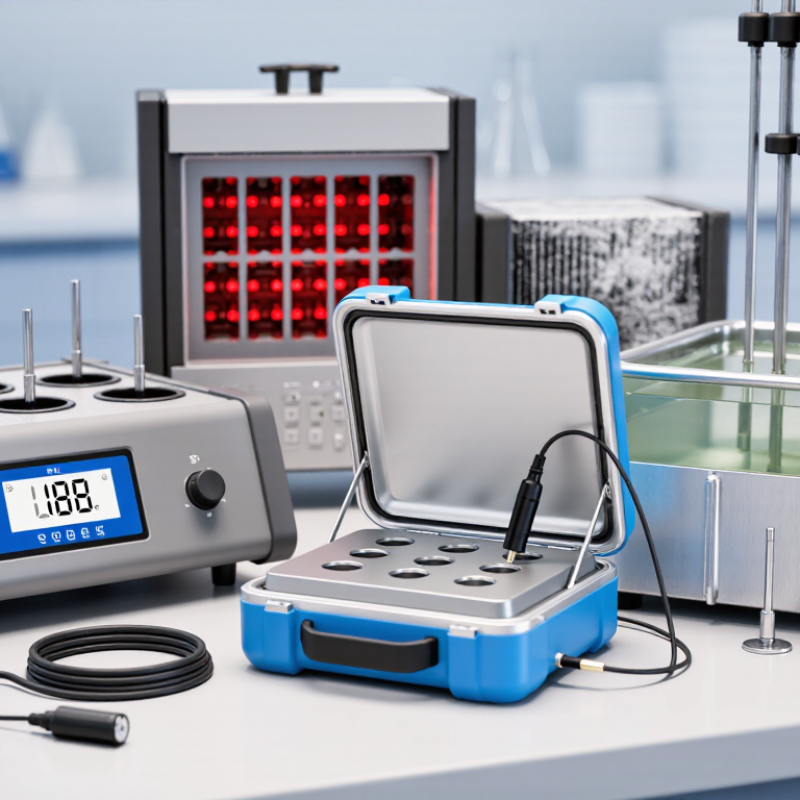
A block calibrator is a temperature source used to check probes and sensors. It heats or cools a solid metal insert with precision control. A probe sits in a close-fitting well, while an internal reference sensor monitors the block temperature. Once readings settle, technicians compare the probe display with the reference value. Simple in principle. Careful setup matters.
Common designs include portable dry-block units for field checks, multi-zone models for improved temperature uniformity, and units with interchangeable inserts for different probe diameters. Some cover wide temperature ranges; others prioritize stability near routine process temperatures. A block calibrator does not prove a sensor is accurate under every condition. Air gaps, insertion depth, sensor design, and temperature gradients can affect results.
Tips: Choose a well that fits the probe closely, insert it to the recommended depth, and wait for stable readings. Record the conditions and measurement uncertainty. A hurried check can look convincing but miss a real offset. For critical work, compare results with a documented reference and follow the instrument’s procedure. Even experienced technicians may need a second reading; the setup is not always as perfect as the display suggests.
What Are the Top Block Calibrator Types in 2026? — What a Block Calibrator Is and How It Works
A block calibrator is a temperature calibration device that heats or cools a metal block to a controlled setpoint. A probe is placed in a close-fitting insert, and its reading is compared with a reference thermometer. The ranges below are representative; actual operating limits and performance depend on the instrument and insert.
| Type | How It Works | Representative Temperature Capability | Common Uses | Considerations |
| Standard dry-block calibrator | An electrically heated or cooled metal block transfers temperature to probes inserted into a matching well or interchangeable insert. | Common designs cover portions of approximately −40°C to 650°C; the range varies by model. | Routine checks of industrial temperature sensors, including RTDs and thermocouples. | Insert fit, immersion depth, and probe geometry affect heat transfer and measurement results. |
| Portable field dry-block calibrator | A compact dry block with an integrated controller provides controlled temperatures for on-site comparison checks. | Many portable units cover a limited portion of roughly −35°C to 650°C. | Maintenance rounds, process plants, and field verification of installed or removed probes. | Portability is convenient, but smaller blocks may have fewer wells and less room for large sensors. |
| High-temperature dry-block calibrator | A high-temperature heater and heat-resistant block bring probes to elevated calibration points. | Specialized designs can reach about 1,200°C, with upper limits dependent on construction and use conditions. | High-temperature thermocouples and sensors used in furnaces, kilns, and heat-treatment processes. | High-temperature operation requires suitable probes, inserts, safety practices, and stabilization time. |
| Liquid-bath calibrator | A temperature-controlled liquid surrounds the probes, providing more uniform contact than a typical solid block. | Ranges vary substantially; some systems cover sub-zero temperatures through approximately 300°C. | Comparisons involving multiple probes or sensors with varied shapes and diameters. | Requires compatible bath fluid, careful handling, and cleaning; it is less convenient to transport than a dry block. |
| Multi-zone or multi-well dry-block calibrator | Multiple wells or controlled zones allow several probes to be tested at the same setpoint, subject to the device’s design. | The operating range is model-specific and generally follows the underlying dry-block design. | Batch checks and comparison of several similar sensors to a reference thermometer. | Well-to-well uniformity and suitable insert layout should be checked before simultaneous testing. |
Note: A block calibrator controls the heat source; calibration accuracy also depends on the reference thermometer, sensor immersion, thermal contact, stability, and the measurement procedure.
Key Features Used to Classify Block Calibrators
Block calibrators are best classified by temperature range, insert design, control zones, and measured performance. A compact dry-block unit suits routine checks of straight probes. A multi-zone model can reduce axial temperature gradients around longer sensors. Wide-bore inserts accept larger probes, but poor fit can increase heat-transfer errors. Liquid-bath calibrators offer different loading conditions, though they require more handling. Practical details matter: probe diameter, immersion depth, and the number of sensors tested together can change results.
Performance classes should distinguish stability, well-to-well uniformity, loading effect, and display resolution. EURAMET Calibration Guide No. 13 identifies these characteristics as relevant when evaluating temperature block calibrators. A resolution of 0.01 °C, for example, does not prove equivalent accuracy. Match the calibrator’s uncertainty to the sensor and process. IEC 60751:2022 gives Class A platinum resistance thermometers a tolerance of ±(0.15 + 0.002|t|) °C; at 200 °C, that is ±0.55 °C. This is a sensor tolerance, not a calibrator specification. Easy to confuse. A single stability figure can also hide gradients across the insert, so check calibration conditions and probe fit before comparing models.
Major Block Calibrator Types Available in 2026
Major block calibrator types differ mainly by heat-transfer method, temperature range, and probe access. Dry-block calibrators use heated or cooled metal wells with interchangeable sleeves. They suit field checks because technicians can carry them to a process line and insert probes directly. A snug sleeve matters: loose contact can slow response or distort readings. Small details matter.
Liquid-bath calibrators circulate a temperature-controlled fluid around immersed sensors. This can improve contact across different probe shapes, though fluid choice and depth affect results. High-temperature furnace calibrators serve sensors that exceed many standard block ranges, often using ceramic inserts. Multifunction units may combine a dry well and a small bath, saving bench space but adding setup choices.
EURAMET Calibration Guide No. 13, version 3.0, assesses block calibrators through stability, axial and radial uniformity, and loading effect. These are practical checks, not decorative specifications: adding several probes can change the well temperature. The guide does not set one universal accuracy figure for every calibrator. Not always. Match the type to the probe diameter, working range, and required uncertainty, then verify performance at the actual setpoint. A compact field unit may be convenient, while a laboratory system may offer finer control. The trade-off is easy to miss.
How the Main Types Compare in Accuracy and Use
What Are the Top Block Calibrator Types in 2026?
Dry-block calibrators use heated or cooled metal inserts to check temperature probes. They are portable, quick to set up, and useful for routine field checks. Accuracy depends on the unit, insert fit, probe depth, and workload. A loose probe or shallow insertion can skew readings. These devices suit workshops where speed and clean handling matter.
Liquid-bath calibrators immerse probes in a stirred fluid. The fluid can provide more even contact around different probe shapes, which may help when comparing several sensors. Baths are often less convenient to transport and need careful cleaning. They also require attention to fluid type, depth, and temperature range. Neither type is automatically more accurate; calibration status and correct technique matter.
Tips: Match the calibrator’s range to your working temperatures. Use the right insert or fluid, and place probes at the recommended depth. Let readings stabilize before recording them. Keep a simple log of reference readings and conditions. Small setup errors are easy to miss, and I’d recheck an unexpected result rather than trust a tidy display.
Choosing a Block Calibrator for a Specific Application
What Are the Top Block Calibrator Types in 2026?
Choosing a Block Calibrator for a Specific Application
A dry-block calibrator suits field checks where portability and quick setup matter. Choose a close-fitting insert for the probe diameter; excess clearance can slow heat transfer and affect readings. For laboratory comparisons, a stirred liquid bath can provide uniform temperatures for several similar probes. It is less convenient. High-temperature block furnaces suit specialized work, but require compatible sensors and careful setup.
Match the calibrator to the temperature range, probe shape, required uncertainty, and workload. A technician checking short process probes may value fast stabilization and portability. A lab comparing long industrial probes may need a deeper immersion zone. Do not select by maximum temperature alone. Display resolution is not calibration accuracy.
Review documented performance at the temperatures you actually use. NIST Technical Note 1297 explains that expanded uncertainty commonly uses a coverage factor of k=2, corresponding to roughly 95% confidence under stated assumptions. Compare the calibrator’s uncertainty with your tolerance, accounting for immersion depth, stem conduction, and drafts. These details are easy to miss. Record repeatability and stabilization time during trials; a unit may behave differently beside a production line. Tighter specifications can cost more without improving the measurement decision.
What Are the Top Block Calibrator Types in 2026?
Choose a calibrator based on the sensor and task: dry-block units suit portable contact-probe checks, liquid baths support stable comparison work, surface calibrators are designed for surface sensors, and blackbody sources are used for infrared thermometers.
Relative application fit (1 = limited fit, 5 = strong fit). Scores are a qualitative selection guide, not measured performance ratings; actual capabilities depend on the specific instrument and setup.