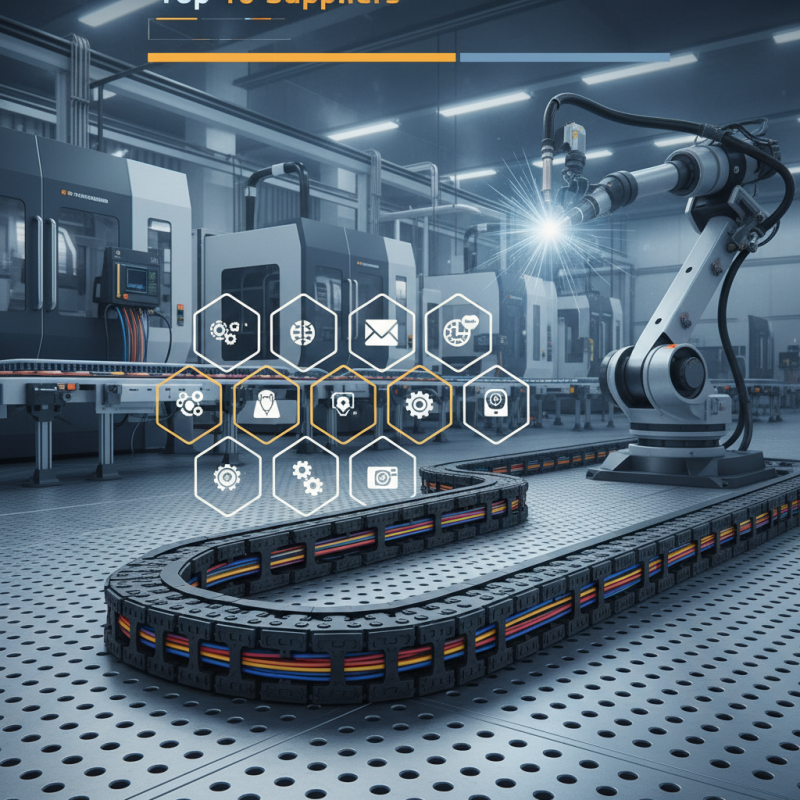
Top 10 Cable Drag Chain Suppliers for Your Needs?
In the world of machinery and automation, reliable components are crucial. One such component is the Cable Drag Chain. These chains play a significant role in protecting and managing cables in various applications. Choosing the right suppliers is essential. The right partnership can elevate efficiency and reduce operational failures.
When selecting Cable Drag Chain Suppliers, customers often face challenges. With numerous options available, it can be overwhelming. Each supplier has its strengths and weaknesses. Understanding these differences can aid in making an informed choice.
In this guide, we explore the top 10 cable drag chain suppliers. Our focus is on those who demonstrate expertise and reliability. We highlight what sets these suppliers apart in a competitive market. By considering their reputations and customer feedback, one can better navigate this complex landscape.
Overview of Cable Drag Chains and Their Applications
Cable drag chains are essential components in various industries. They protect cables and hoses from wear and tear during movement. Often used in machinery, robotics, and automotive applications, these chains ensure reliable performance.
When choosing a cable drag chain, consider material and size. Different environments require specific choices. For example, systems exposed to high heat need chains that can withstand extreme conditions. Regular maintenance is necessary to prolong their lifespan. Ignoring wear can lead to costly downtime.
Applications of cable drag chains are diverse. They are found in CNC machines, conveyor systems, and even amusement park rides. Each application presents unique challenges. Understanding these nuances can enhance their effectiveness. Be open to exploring different configurations for optimization. Consideration of specific requirements can lead to improved workflow.
Key Factors to Consider When Choosing a Cable Drag Chain Supplier
Choosing the right cable drag chain supplier involves several key factors. Reliability and quality are essential. A supplier's reputation in the industry can signal these traits. Look for references and case studies that highlight their experience. More than 70% of businesses agree that a strong track record is crucial when selecting a supplier.
Another important consideration is the range of products offered. Suppliers should have a diverse selection of cable drag chains. Different applications require varying specifications. Ensure the supplier understands your specific needs. Data from industry reports shows that companies sourcing specialized chains often reduce maintenance costs by 20% or more.
Tips: Always ask suppliers about their testing procedures. Understanding how they ensure quality can save you headaches later. Consider flexibility in customization. A good supplier should be able to adapt their solutions to suit your project requirements.
Evaluating after-sales support is often overlooked but crucial. Your supplier should provide assistance during installation and troubleshooting. A lack of support can lead to lost time and frustration.
Top Suppliers in the Cable Drag Chain Industry: A Comparative Analysis
The cable drag chain industry is pivotal to various sectors, including manufacturing and robotics. Its suppliers play a crucial role in driving innovation and improving operational efficiency. According to a recent market analysis, the global cable drag chain market is projected to grow at a compound annual growth rate (CAGR) of 7.8% from 2023 to 2030. This growth highlights the increasing demand for durable and efficient cable management solutions.
A comparative analysis of suppliers reveals key metrics such as material quality, design flexibility, and delivery timeliness. Studies indicate that more than 60% of industry professionals prioritize durability when selecting a supplier. However, some suppliers may overlook the importance of custom solutions tailored to specific client requirements. This gap can lead to dissatisfaction and hinder long-term partnerships, showcasing the need for a more responsive and adaptive supply chain.
Additionally, organizations often evaluate suppliers on their commitment to innovation. Research shows that suppliers investing in R&D report 20% higher customer satisfaction rates. Yet, many companies still rely on traditional designs, underestimating the potential benefits of adopting new technologies. This reliance on outdated practices can limit competitive advantage and growth opportunities in the evolving industry landscape.
Innovative Solutions Offered by Leading Cable Drag Chain Manufacturers
Cable drag chains play a crucial role in various industries. They facilitate the safe and efficient movement of cables and hoses in machinery. According to industry reports, the growing automation and robotics sectors have driven demand for innovative solutions in cable management. Leading manufacturers are focusing on enhancing the durability and flexibility of their drag chain offerings.
Advanced materials are being utilized to create lightweight yet resilient chains. Industry data shows that using high-performance plastics can increase lifespan by up to 30%. This is vital for reducing maintenance costs over time. Companies are also investing in custom solutions that cater specifically to unique applications, reflecting a trend towards tailored engineering This adaptability ensures optimal performance under various conditions.
Despite these advancements, some challenges remain. Material selection can become complicated. Not all solutions are universally compatible. The need for ongoing innovation persists as industries strive for efficiency. The integration of smart technology into drag chains is one area requiring further exploration. These enhancements could significantly improve monitoring and predictive maintenance capabilities. As the market evolves, continuous feedback and development will shape future offerings.
Customer Support and Service: What to Expect from Top Suppliers
When it comes to cable drag chains, customer support is crucial. A strong support system allows users to clarify doubts, troubleshoot issues, and ensure smooth operations. According to a recent industry report, 73% of customers prioritize support quality when choosing suppliers. This highlights the necessity for suppliers to offer comprehensive service solutions.
Effective communication is vital. Buyers should expect timely responses to queries. A knowledgeable support team can significantly enhance user experience. Some suppliers even offer live chat options. This real-time assistance can resolve urgent matters quickly, minimizing downtime.
Tip: Before selecting a supplier, check their customer service ratings. Reliable suppliers often have consistent feedback highlighting their transparency and responsiveness.
Additionally, look for suppliers offering training or resources. This helps customers utilize products effectively. Companies that invest in customer education tend to build trust. A well-informed customer is likely to face fewer technical issues, resulting in higher satisfaction.
Tip: Read reviews and testimonials. They offer insights into the level of service and expertise provided. A supplier's reputation in customer care can reflect their overall reliability.