Who Are the Top Trimless Spotlights Manufacturers in China?
Trimless Spotlights are designed to sit nearly flush with a ceiling, leaving a clean edge rather than a visible trim ring. That detail looks simple. Getting it right takes care. A plaster-in installation depends on accurate dimensions, compatible fixtures, and careful finishing. Small errors around the cut-out can remain visible after the ceiling is painted.
China has a broad lighting supply chain, but manufacturers differ in more than price. This guide considers product range, customization, material quality, production experience, and the clarity of technical information. Useful details include recessed depth, cut-out size, beam angle, color temperature, dimming options, and driver compatibility. Ask for current datasheets and sample units. Check how the fixture handles heat, and whether replacement components are available. These checks cannot guarantee a perfect project. They can reduce avoidable surprises.
The companies discussed here should be assessed against the needs of each application, not ranked by marketing claims alone. A hotel corridor may require different optics and maintenance access than a private residence. Project references and factory communication can offer useful context, though neither tells the whole story. That comparison is not perfectly tidy; product lines and capabilities change. Buyers should confirm specifications, lead times, and quality-control details directly before ordering. The following overview provides a practical starting point for identifying Chinese manufacturers worth further evaluation.
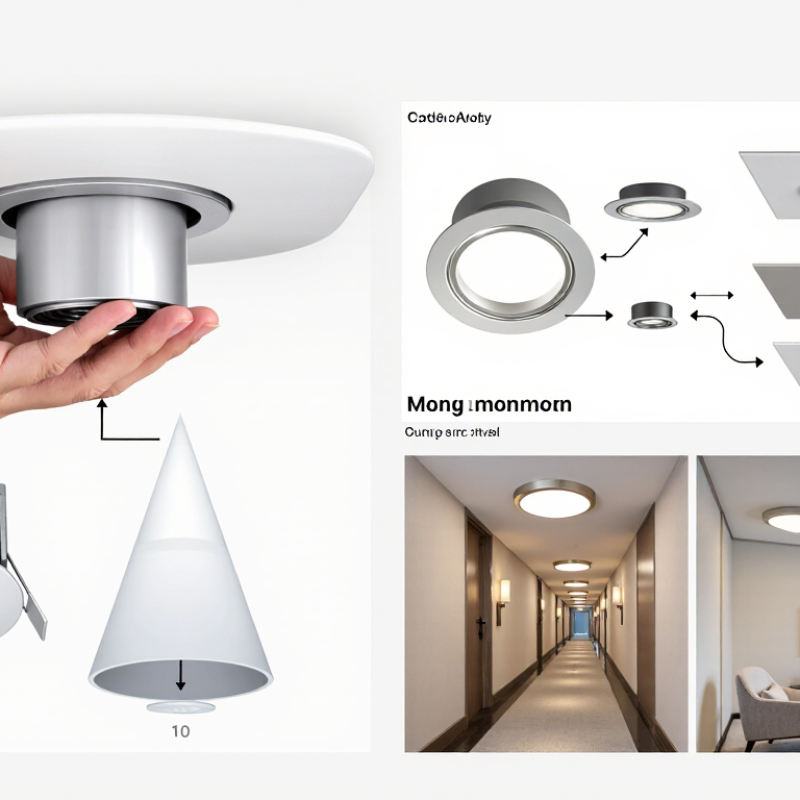
What Defines a Leading Trimless Spotlight Manufacturer
A leading trimless spotlight manufacturer does more than hide the fixture’s edge. It understands how the housing, plaster, and ceiling structure work together. Installation details matter. A poorly matched frame can leave visible gaps or crack around the opening.
Look for clear technical drawings, measured tolerances, and guidance for different ceiling materials. Experienced engineering teams can explain how the spotlight manages heat and controls glare. Ask how beam angles, cut-out sizes, and driver options are checked before production. Specific answers are more useful than broad claims. Request a sample, then inspect its finish, adjustment range, and light consistency under real conditions.
Quality control should be repeatable, not just persuasive in a meeting. Ask about inspection steps, material records, and how defects are handled. Reliable manufacturers also communicate realistic lead times and flag design changes early. One sample is not proof of every batch. That is easy to overlook. Factory visits or independent testing may provide more confidence, though neither guarantees a perfect installation. The right supplier combines sound engineering with practical support, and remains open about limitations.
What Defines a Leading Trimless Spotlight Manufacturer?
Electrical compatibility is one practical measure of a manufacturer’s ability to serve different markets. These are nominal mains voltages: China 220 V, the European Union 230 V, and the United States 120 V. A manufacturer should specify compatible product versions and clearly state each model’s input-voltage range.
Product Ranges and Technical Capabilities
Chinese trimless spotlight manufacturers commonly offer fixed downlights, adjustable gimbals, deep-recessed models, and linear modules. Buyers can compare beam angles, cutout sizes, plaster-in installation details, and finishes. A useful range covers compact fixtures for corridors and higher-output options for shops or hotels. Catalogues may appear extensive, so confirm which configurations are actually available.
Technical capabilities matter beyond appearance. Ask for specifications covering wattage, lumen output, colour temperature, colour rendering, dimming compatibility, and driver placement. For plaster-in fittings, check the housing depth and installation tolerances; small mismatches can mean extra ceiling work. Thermal management also deserves attention, especially in compact housings. Request test reports or sample units where possible, then assess light consistency and heat after operation. A specification sheet helps, but it cannot reveal every installation issue.
Tips: Confirm cutout dimensions with the installer before ordering. Check whether drivers are included and accessible. One detail is easy to overlook: a narrow beam can create harsh ceiling spots, even when the fixture itself looks refined.
Manufacturing Standards and Quality Certifications
For trimless spotlights, manufacturing quality starts before assembly. A recessed housing must sit level and remain stable beneath plaster, where poor alignment can leave a visible edge. Ask manufacturers how they control housing dimensions, surface finish, and heat dissipation. Details matter. Sample checks should include beam consistency, dimming behavior, and driver temperature after extended operation, not just a quick power-on test.
Reliable suppliers can explain their quality system and provide current, verifiable documents. ISO 9001 may indicate a documented management process, while IEC 60598 testing addresses luminaire safety; requirements depend on the product and destination market. Ask for test reports tied to the exact model, rather than a certificate covering a broad product family. For China-made products, confirm applicable domestic requirements as well as export-market approvals. Check whether production batches receive electrical safety and aging tests, and whether failed units are recorded and reviewed. Ask for evidence. Paperwork alone cannot reveal weak solder joints or inconsistent plaster-in frames.
A factory visit or third-party inspection can help verify equipment, calibration records, and routine sampling. Still, one visit is only a snapshot. Some buyers focus too heavily on certificates and overlook spare-part availability or clear installation instructions. That is easy to regret when a driver fails after the ceiling is finished. Request a sample, installation notes, and written acceptance criteria before placing a larger order.
How to Evaluate and Select a Manufacturer
Choosing a trimless spotlight manufacturer in China takes more than comparing catalog photos. Ask for a sample that matches the proposed production model, including its plaster-in flange, housing, and driver. Check the cut-out dimensions and installation depth against your ceiling details. Request beam-angle, color-temperature, and color-rendering data, plus applicable test reports. Small details matter.
Evaluate how the manufacturer controls consistency, not just how one sample looks. Ask how production batches are checked for finish, electrical performance, and heat management. Clarify customization limits, minimum order quantities, lead times, packaging, and replacement-part availability before approving a design. A polished sample can still hide production variation; I would treat it as evidence, not a guarantee. Review the written specification and keep an approved sample for comparison. Clear, specific answers are more useful than broad quality claims.
Tips: Send a simple ceiling section and target lighting layout when requesting a quote. Ask who handles technical questions and how changes are documented. Compare quotations line by line, including drivers and finishes. If a key detail remains unclear, pause before ordering.