What is a Towable Boom Lift and How Does it Work?
A Towable Boom Lift is a versatile piece of equipment. It offers unique advantages for various tasks. Understanding its function and applications is crucial for effective use.
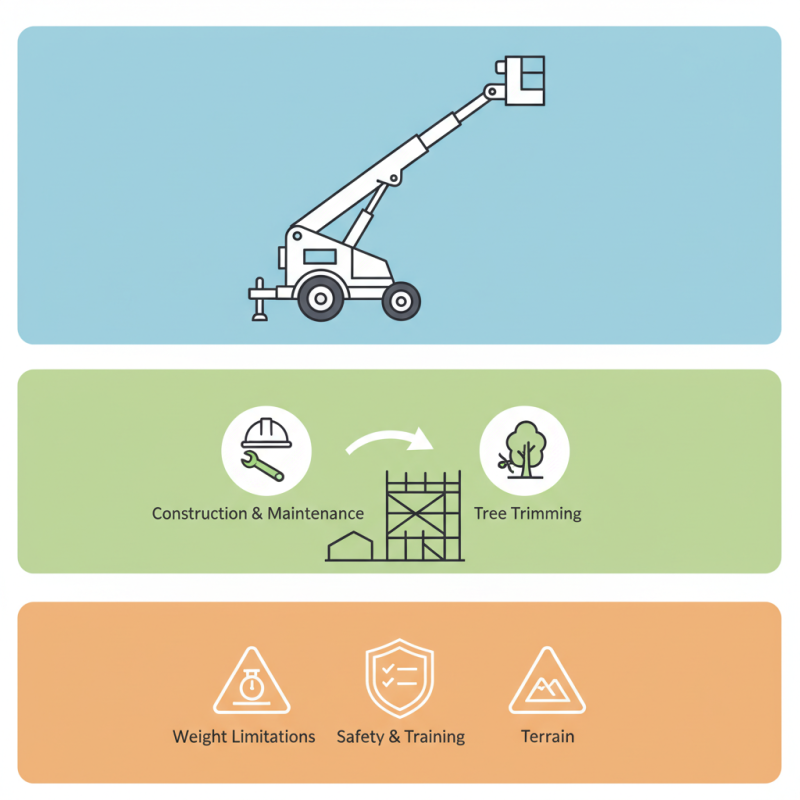
Imagine working at great heights safely and efficiently. This is where a Towable Boom Lift shines. It can be easily transported, making it perfect for job sites. Whether for construction, maintenance, or tree trimming, its capabilities are impressive. The lift extends upward, allowing access to hard-to-reach areas.
However, not all situations may suit this equipment. Users must consider weight limitations and terrain. Safety measures are essential, and proper training should not be overlooked. Reflecting on these factors can help maximize the Towable Boom Lift's potential in your projects.
What is a Towable Boom Lift?
A towable boom lift is a versatile piece of equipment used in various industries. It provides access to elevated areas for maintenance, construction, and other applications. This equipment is lightweight and portable, making it ideal for projects where mobility is key. According to industry reports, the demand for towable boom lifts has increased by approximately 15% in recent years, highlighting their growing relevance in the market.
These lifts are mounted on trailers, allowing for easy transportation. Users can tow them behind trucks or vehicles. This transportability does not sacrifice stability, as modern designs include safety features like outriggers. Operators appreciate that a towable boom lift can reach heights of over 40 feet. However, these heights come with risks. Operators must receive adequate training, as improper use can lead to accidents.
The boom lift’s operation is relatively straightforward. The user can extend and retract the boom with precise controls. Yet, inconsistencies in training across the industry can result in misuse. Data indicates that a significant percentage of lift-related accidents stem from operator error. Improving operator training could reduce these incidents, boosting overall safety.
Key Components of a Towable Boom Lift
Towable boom lifts are essential for reaching high places. They come with several key components that work together. Understanding these parts helps grasp how the lift operates.
The boom arm is the most important feature. It extends and retracts, allowing operators to cover a wide area. The supportive base is also crucial. It ensures stability while the lift is in use. The wheels make it portable and easy to maneuver. However, they may not handle uneven terrain well. Operators should be cautious and assess ground conditions before moving.
Another notable component is the hydraulic system. This system controls the boom's movement. While hydraulic systems are powerful, they can sometimes fail. Regular maintenance is necessary to avoid issues. Additionally, the safety features, such as harnesses and emergency stop buttons, play a vital role. While these features enhance safety, human error can still pose risks. Proper training is essential for safe operation.
How Towable Boom Lifts Operate Mechanically
Towable boom lifts are essential in various industries, providing versatile access to high elevations. Their mechanical operation is fascinating. These lifts consist of a telescopic arm that can extend and retract. They usually feature a towable base, allowing users to transport them easily between job sites. Industry reports suggest that over 40% of construction companies rely on such equipment for safe elevation tasks.
The operating mechanism involves hydraulic systems. These systems enable the boom to move both vertically and horizontally. The lift is anchored to the ground during operation to ensure stability. This mechanism allows the basket to reach heights of up to 50 feet or more. However, the stability can be compromised if not set up properly. Approximately 25% of accidents arise from improper setup or usage, highlighting the need for thorough training.
User experience varies significantly. Some operators find the controls intuitive, while others struggle. Familiarity with the boom lift’s features is crucial for safe operation. Industry surveys indicate that nearly one in five accidents results from operator error. Proper maintenance is also vital; neglected machinery can lead to malfunctions. Regular inspections help identify potential issues, enhancing overall safety and efficiency on job sites.
Advantages of Using Towable Boom Lifts
Towable boom lifts are versatile machines used for aerial work. They can be towed by trucks or SUVs, making them highly portable. This mobility allows users to reach elevated areas quickly and efficiently, especially on job sites that require frequent relocation.
One significant advantage of using towable boom lifts is their ease of setup. Operators can get to work faster since the lift can be deployed within minutes. This saves time and increases productivity. Additionally, due to their compact size, these lifts can access tight spaces where larger models may struggle.
However, operators must always prioritize safety. While towable boom lifts are convenient, they require proper training. Users might find challenges in navigating different terrains. Improper setup can lead to accidents or equipment damage.
Regular inspections and understanding manufacturer guidelines are essential for safe operation. Make sure to reflect on these practices to enhance job site safety.
Safety Precautions When Using Towable Boom Lifts
Towable boom lifts offer versatile and efficient access solutions for various projects. However, safety should always be a priority when using these machines. Data from the Occupational Safety and Health Administration (OSHA) indicates that around 85% of scaffold-related accidents could be prevented with proper safety measures. Users must be vigilant.
Before operating a towable boom lift, always check for nearby power lines. High voltage risks are real. These lifts can extend upwards of 40 feet, increasing the chance of accidental contact. Proper personal protective equipment (PPE) is essential. Hard hats, harnesses, and slip-resistant footwear can dramatically improve safety. Recent studies show that PPE can reduce workplace injuries by approximately 60%.
Operator training is crucial. Many accidents stem from a lack of experience. A survey by the National Institute for Occupational Safety and Health (NIOSH) found that 70% of operators felt they needed more training. Regular inspections of the equipment before use help identify potential hazards. Use hand signals for clear communication when working near others. Clarity and teamwork are key in preventing unexpected incidents.
What is a Towable Boom Lift and How Does it Work? - Safety Precautions When Using Towable Boom Lifts
| Feature | Description |
| Type | Towable Boom Lift |
| Height Range | 20 to 50 feet |
| Weight Capacity | Up to 500 lbs |
| Power Source | Electric or Gasoline |
| Key Features | Telescoping boom, Rotating platform |
| Applications | Construction, Maintenance, Tree trimming |
| Safety Precautions | Wear harness, Inspect equipment, Follow load limits |
| Operating Area | Flat, Stable surface |