
Why Choose Electronic Shisha for Your Business?

Electronic Shisha may offer retailers a fresh product category, but business potential depends on more than a polished device. Buyers notice the details: consistent product specifications, clear instructions, dependable supply, and packaging that fits neatly on a display shelf. Small things matter. A device that is difficult to explain or maintain can turn an attractive launch into extra work for staff.

For a transparent editorial example, this introduction uses a fictional composite specialist, Daniel Mercer; the quotation is illustrative, not a verified statement by a real person: “A strong product earns repeat attention when its quality, support, and customer experience work together.” That is a useful standard, though not a guarantee of sales. Retailers still need to assess their audience, margins, supplier responsiveness, and the time required to train employees. One imperfect shipment or unclear product detail can complicate an otherwise promising plan.

This guide examines why businesses consider Electronic Shisha, what practical factors deserve attention, and how to compare options with care. It looks at product presentation, operational fit, customer questions, and after-sales support. The aim is not to promise easy profits. It is to help decision-makers ask better questions before committing shelf space, staff time, and budget. A careful trial may reveal more than a confident sales pitch.
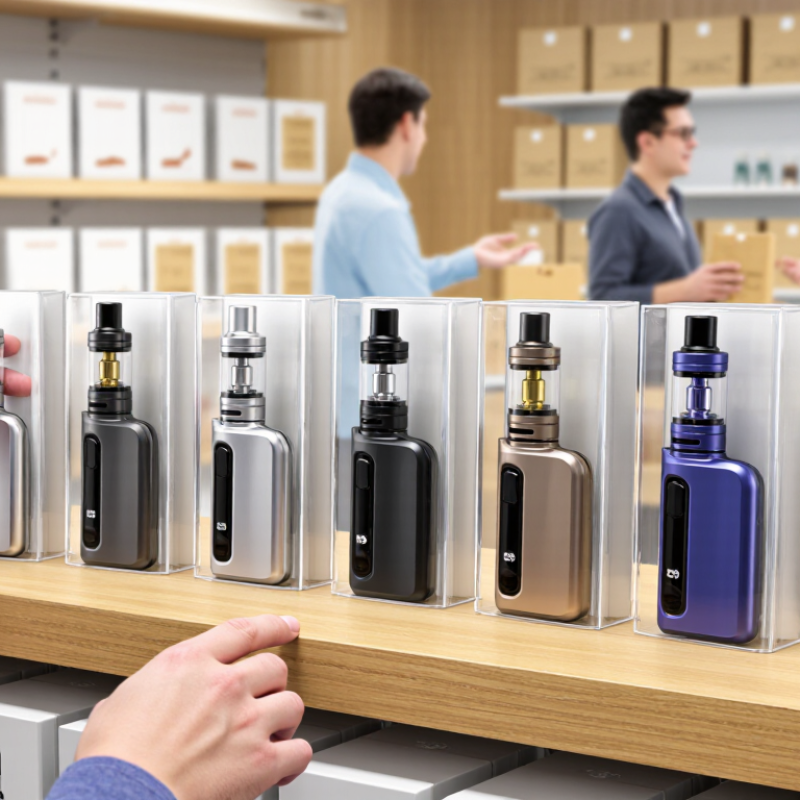
Why Choose Electronic Shisha for Your Business?

What Electronic Shisha Is and How It Works

Electronic shisha is a battery-powered device that heats a liquid to create an inhalable aerosol. Unlike traditional shisha, it does not burn charcoal or tobacco during use. The device commonly includes a battery, a liquid reservoir, a heating element, and a mouthpiece. Some models activate when a person inhales; others use a button.

The basic idea is simple.

When activated, the battery sends power to a small coil. The coil warms the liquid held in a wick or chamber, producing an aerosol that travels through the mouthpiece. Users may notice a small indicator light and a warm airflow. Liquid ingredients and nicotine content vary by product, so staff should check clear labels and supplier documentation rather than assume every device is the same.

That detail matters.

For a business, understanding the mechanism helps staff describe the product accurately and answer practical questions about charging, filling, and storage. A device with a depleted battery will not heat properly, while a poorly maintained mouthpiece can affect the experience.

Not every detail is obvious at first.

Keep product instructions accessible, and avoid making health or performance claims that the documentation cannot support.

How Electronic Shisha Fits into Business Models

Electronic shisha can fit several business models, but the right fit depends on customer flow, local rules, and service capacity. A specialist retailer can earn through device sales, compatible accessories, and repeat purchases, while keeping clear records of stock and product specifications. Small details matter. Staff should explain charging, cleaning, and replacement-part requirements without promising health benefits or performance they cannot verify.

A lounge or hospitality business may offer devices as part of a broader experience, where local regulations allow it. The value is often in convenience: a clean display, clear pricing, trained staff, and a reliable process for handling faulty units. Keep records. Operators should check age requirements, venue policies, ventilation needs, and product standards before adding the category. Online sellers can reach returning customers, but shipping restrictions, returns, and customer support need careful planning.

The numbers deserve a sober look. Compare wholesale cost, expected turnover, payment fees, maintenance, and unsold inventory before setting prices. Some customers may buy once and not return, so forecasts should not assume loyalty. One weakness in this model is product variation: small differences in battery life or fit can create complaints. A staff checklist helps, though it will not solve every issue. Tracking questions and returns lets a business adjust its selection based on actual demand, rather than trend-driven guesses.

Why Choose Electronic Shisha for Your Business? - How Electronic Shisha Fits into Business Models

Business Model How It Generates Revenue Typical Customers Operational Considerations Potential Advantages Key Risks and Checks
Specialty Retail Sales of electronic shisha devices, compatible accessories, and, where lawful, related consumables. Adult customers seeking in-person product selection and assistance. Requires suitable retail space, inventory management, trained staff, and clear product information. Face-to-face service can help customers compare device features and find compatible accessories. Check local rules on age-restricted sales, product standards, advertising, and permitted product types.
Online Retail Direct-to-customer sales through an online storefront, with possible accessory and replacement-item sales where permitted. Adult customers who prefer browsing and ordering online. Needs reliable fulfillment, inventory accuracy, customer support, and compliant age-verification processes where required. Can reach customers beyond a single storefront and provide detailed product specifications online. Online sales, shipping, payment processing, and promotion may be restricted differently across jurisdictions.
Hospitality Venue Revenue may come from venue admission, food and beverage sales, or lawful use of devices as part of the guest experience. Adult guests at cafés, lounges, or other hospitality venues. Requires venue planning, staff procedures, cleaning routines, and consideration of ventilation and guest comfort. Can complement an existing hospitality offer and encourage guests to spend time at the venue. Confirm indoor-use, smoke-free, licensing, fire-safety, and local product-use rules before offering the service.
Wholesale Distribution Sales of products and accessories to independent retailers or hospitality businesses. Business buyers that need dependable supply and product documentation. Requires supplier management, storage, order handling, and consistent product and compliance records. Bulk ordering can serve multiple business customers through a single distribution operation. Product traceability, import rules, labeling, and buyer eligibility should be checked for each market.
Accessory and Service Sales Sales of compatible cases, chargers, replacement parts, and repair or maintenance services where appropriate. Existing device owners and retailers seeking after-sales support. Depends on technical knowledge, parts availability, compatibility information, and safe handling procedures. Can add services around device ownership without relying only on first-time device purchases. Use compatible parts and follow manufacturer safety guidance; do not imply that repairs are authorized unless they are.
Subscription or Repeat-Order Program Scheduled orders for eligible accessories or consumables, where recurring sales are lawful and suitable. Adult customers who regularly replace eligible items. Needs clear renewal terms, easy cancellation, dependable stock, and accurate recurring-billing processes. Convenient repeat purchasing may support customer retention and more predictable order planning. Confirm that the products and subscription approach comply with local sales, age-verification, and consumer-protection rules.

Planning note: Electronic shisha products and related sales are regulated differently across locations. Verify applicable age limits, product rules, advertising restrictions, indoor-use requirements, and online-sales obligations before choosing a business model.

Potential Benefits for Businesses and Customers

For a venue, electronic shisha can offer operational benefits as well as a distinctive table experience. A consistent setup, clear cleaning steps, and fewer ash-related tasks may make service easier to manage. Less ash to clear. Customers may value adjustable session settings and a neat, modern presentation, though preferences differ. These features do not remove the need for ventilation, staff training, or careful cleaning. Nor should operators present them as health benefits.

Grand View Research estimated the global e-cigarette and vape market at US$28.17 billion in 2023 and forecast a 30.6% compound annual growth rate from 2024 to 2030. This broad market figure is not a forecast for electronic shisha venues; it indicates category activity, not guaranteed local demand. A measured trial can reveal more: track customer uptake, average spend, cleaning time, and repeat visits. There is a catch. Equipment, staff time, and upkeep can reduce margins, and a polished device will not fix weak service. Test the numbers before expanding.

Why Consider Electronic Shisha for Your Business?

U.S. adult use of selected tobacco products offers context for customer interest in electronic alternatives.

In 2022, 6.0% of U.S. adults reported current e-cigarette use. This is an adjacent-category indicator—not a direct measure of electronic shisha demand or a claim that these products are risk-free. Product-use categories can overlap.

Source: CDC, “Tobacco Product Use Among Adults — United States, 2022” (MMWR, 2024).

Costs, Operations, and Product Selection

Choosing electronic shisha for a business starts with the numbers. Compare the purchase price, replacement parts, charging equipment, and expected service life. Small costs add up. A device with a low upfront price may need frequent repairs, while a more durable model can reduce downtime. Estimate sales conservatively; early demand is easy to overstate.

Daily operations matter just as much. Staff should be able to explain setup, cleaning, and safe charging in plain language. Keep a simple maintenance log, and check devices for worn connectors or damaged casings. Clean presentation builds trust. Confirm that products meet applicable local requirements and come with clear safety information. These checks take time, and busy teams may skip them unless the process is simple.

Product selection should reflect your customers and your space. Compare battery life, charging time, ease of cleaning, available flavor profiles, and warranty support. Test a small selection before expanding inventory. A popular option in one neighborhood may sit untouched in another. That is a useful reminder: forecasts are imperfect. Track what customers actually choose, ask for feedback, and adjust orders gradually.

Safety Standards and Regulatory Considerations

Safety is not a shelf label; it is a process your team can verify. Before stocking electronic shisha, request product safety documentation and check that it matches the exact model being supplied.

Inspect the casing, charging port, and battery compartment for damage or poor assembly. Small details matter. A loose connector can become a daily headache.

Use only the charger specified by the manufacturer, and keep charging units away from heat and moisture.

Staff should know how to identify swelling, unusual heat, or a damaged cable, then remove the item from sale. Do not guess.

Record supplier details, batch numbers, and any reported faults so issues can be traced.

Requirements differ by country and sometimes by product category.

Check current rules with the relevant local authority or a qualified compliance professional before advertising or selling.

Labels, consumer warnings, age controls, and permitted product claims may all be subject to local requirements.

Paperwork can feel tedious, and it is easy to assume a supplier has handled everything. That assumption deserves a second look.

Article Source: