What is Wpc Floor Decking and Why Choose It?
Wpc Floor Decking has emerged as a popular choice in modern construction and design. According to a report by Grand View Research, the global market for WPC products is projected to reach $5.2 billion by 2027, driven by increasing demand for durable and eco-friendly materials. WPC stands for Wood Plastic Composite, a blend of wood fibers and recycled plastic. This material offers a sustainable alternative to traditional decking options.
Choosing WPC Floor Decking ensures several advantages. It is highly resistant to moisture, insects, and warping, making it ideal for outdoor spaces. A study by Allied Market Research found that WPC decking could last up to three times longer than standard wood. However, some consumers report challenges with installation and maintenance. Balancing these pros and cons is essential for making informed decisions about your decking needs.
The evolving landscape of building materials necessitates careful consideration. WPC Floor Decking presents a viable option, yet it's important to reflect on the specific requirements of your project. An informed choice will lead to better performance and satisfaction over time.
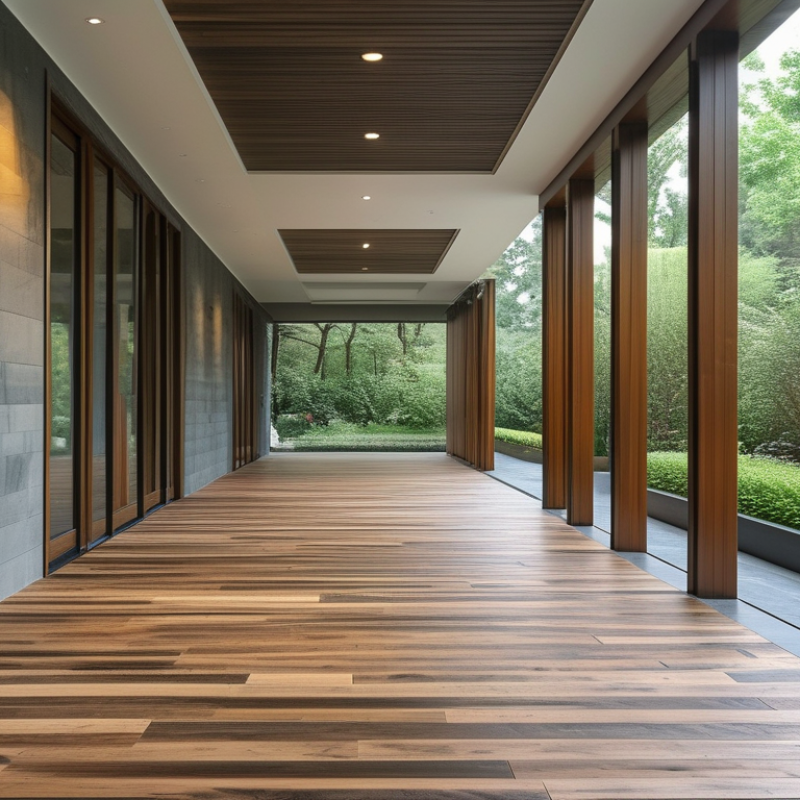
What is WPC Floor Decking?
WPC floor decking, or wood-plastic composite decking, combines the durability of plastic and the natural appeal of wood. This innovative material is designed for outdoor use, offering a weather-resistant surface for patios, decks, and walkways. WPC's unique composition helps prevent rot and decay, making it an appealing option for homeowners seeking long-lasting solutions.
One of the key benefits of WPC floor decking is its low maintenance. It does not require painting or staining. Simply cleaning with soap and water keeps it looking new. However, some users find that dirt can accumulate in the grooves, requiring careful attention. The material also provides excellent traction, reducing the risk of slips and falls in wet conditions.
While WPC decking offers many advantages, it is important to consider the initial cost. It can be more expensive than traditional wood options. Some may question its environmental impact due to the plastic content. However, many manufacturers use recycled materials, contributing to a more sustainable choice. Overall, WPC floor decking presents a blend of practicality and aesthetic appeal, making it a compelling option for modern outdoor spaces.
Benefits of Using WPC Floor Decking
WPC floor decking blends wood and plastic, making it a versatile choice for both indoor and outdoor spaces. One significant benefit is its durability. Unlike traditional wood, WPC is resistant to rot, mold, and insects. This resilience ensures a long lifespan, reducing the need for constant repairs or replacements.
Another advantage is low maintenance. WPC decking requires minimal upkeep compared to wood. Regular cleaning with soap and water is often sufficient. For those seeking eco-friendly options, it’s a great choice since it's made from recycled materials. However, during installation, ensuring proper drainage is crucial. Poor drainage can lead to water pooling, which may affect performance.
Tips: Consider the climate in your area. Hot climates can cause some WPC materials to expand and contract. Also, check for warranties that cover fading and wear. Choosing quality products can prevent unexpected issues. A little research goes a long way in ensuring you make a solid investment.
Comparison of WPC Decking with Traditional Materials
WPC decking, or wood-plastic composite decking, offers a modern alternative to traditional wood and plastic materials. It's made from a mixture of recycled wood fibers and plastic, making it a sustainable choice. Compared to traditional options like hardwood, WPC decking shows a remarkable longevity. Reports indicate that WPC can last up to 25 years or more, while hardwood typically lasts around 15 to 20 years with proper maintenance.
In terms of maintenance, WPC decking requires significantly less effort. Traditional wood needs regular sealing, staining, and painting. In contrast, WPC decking is resistant to splintering and insect damage. A study from the American Society of Testing and Materials highlights that WPC’s low water absorption rate helps reduce mold growth, a common issue in wooden decks.
However, there are some limitations. The initial cost of WPC can be higher than traditional wood. Consumers often note that while WPC decking is durable, its aesthetic may not replicate the authentic look of natural wood. This can be a drawback for those prioritizing traditional aesthetics over sustainability. Balancing these factors is essential for homeowners considering an upgrade to their outdoor spaces.
What is WPC Floor Decking and Why Choose It? - Comparison of WPC Decking with Traditional Materials
| Feature | WPC Decking | Traditional Wood | Composite Decking |
| Durability | Highly durable, resistant to moisture and insects | Prone to rot and insect damage | Moderately durable, can fade with time |
| Maintenance | Low maintenance, requires only occasional cleaning | High maintenance, needs regular sealing and staining | Moderate maintenance, with occasional cleaning needed |
| Cost | Moderate initial cost, cost-effective long-term | Lower initial cost, but higher long-term maintenance costs | Similar to WPC, with variable pricing based on quality |
| Aesthetics | Available in various colors and textures | Natural look, but can be inconsistent | Varied appearance, some can mimic wood |
| Environmental Impact | Made from recycled materials, eco-friendly | Can contribute to deforestation | Depends on manufacturing process, some eco-friendly options |
Factors to Consider When Choosing WPC Floor Decking
When considering WPC floor decking, several key factors should come into play. Durability is one of the most important. WPC, or wood-plastic composite, is engineered to withstand moisture and insects. This makes it a strong option for outdoor spaces. However, not all WPC products offer the same level of durability. Check the materials used in each decking product before making your decision.
Another factor is the aesthetic appeal. WPC decking comes in various colors and textures. It's essential to visualize how the color will match your home's exterior. Choosing a style can be overwhelming. Narrow down your options based on existing outdoor furniture and landscaping.
Tip: Consider samples before purchasing. This will help you see how the decking looks in different lighting.
Lastly, maintenance requirements should not be overlooked. While WPC decking is generally low-maintenance, some may require occasional cleaning or sealing. This can vary widely among different products. Research user reviews to gather insights on long-term performance.
Tip: Make a list of maintenance tasks you're willing to handle. This will help you choose a decking option that fits your lifestyle.
Maintenance Tips for WPC Floor Decking
WPC floor decking combines wood fibers and plastic for durability and beauty. While it offers a highly attractive appearance, maintaining it properly is essential for longevity. Regular cleaning helps to prevent dirt buildup and preserves its aesthetic appeal. Ideally, a mild soap solution can be used along with a soft-bristle broom or a cloth for routine cleaning.
According to industry reports, WPC decking typically requires less maintenance than traditional wood decking. However, it still needs periodic attention. It is recommended to inspect the decking every few months for signs of wear or damage. Areas that receive heavy foot traffic may show signs of wear sooner. In such cases, applying a UV protectant can help mitigate sun damage, which can fade colors over time.
Cleaning spills promptly is crucial. Leaving substances like oil or food stains can lead to permanent marks. A mixture of vinegar and water is effective for mild stains. For tougher challenges, a power washer with a low PSI setting can be beneficial. Always test a small area first to ensure no damage occurs. Remember, while WPC is durable, it is not invincible. Mindful care bolsters its performance and appearance.