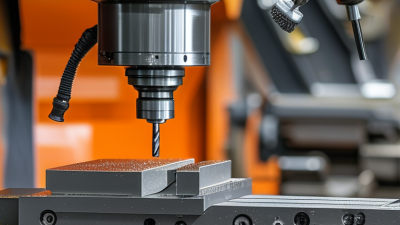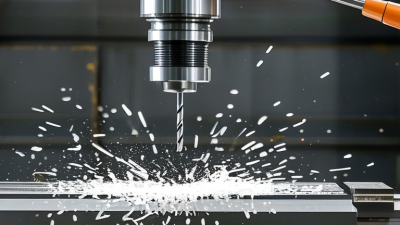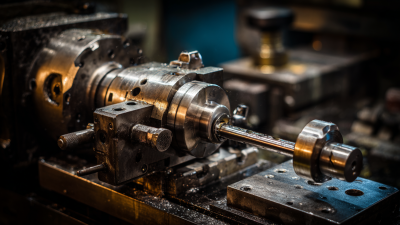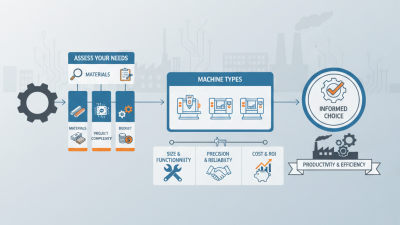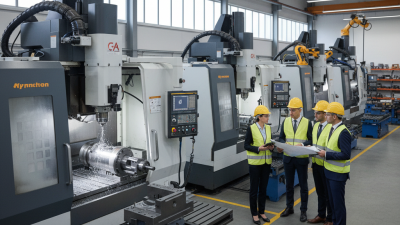
Choosing the best China Milling Machine for global buyers is not a simple price comparison. It is a decision about accuracy, production rhythm, service access, and long-term risk. A low quotation may look attractive beside a polished factory floor. Yet the real test begins when a spindle runs for eight hours, coolant reaches the table, and tolerances become difficult to hold.
Peter Zelinski, a respected machine-tool journalist and industry analyst, offers a useful principle: “The best machine is the one that fits the process.” That idea deserves attention. A compact CNC Milling Machine may suit aluminum prototypes, while a rigid vertical model may better handle steel parts and repeated production. Buyers should examine spindle power, working travel, tool-changing speed, control systems, casting quality, and documented inspection results. Ask for test-cut videos and sample components. Numbers alone can mislead.
The supplier matters just as much. Clear drawings, stable software support, spare-parts planning, and responsive communication can protect production after delivery. Export packaging also matters. A damaged control cabinet is not a small inconvenience. It can stop a project.
There is no perfect machine.
Even experienced buyers sometimes overvalue appearance or underestimate training. That is a weakness worth admitting. Factory visits, reference checks, and independent technical reviews create stronger evidence. This guide examines how global buyers can compare Chinese manufacturers without chasing the cheapest offer. It focuses on practical performance, transparent specifications, after-sales reliability, and the fit between machine capability and actual production needs. Because the best Milling Machine is rarely the most impressive one. It is the one that performs consistently when nobody is watching.
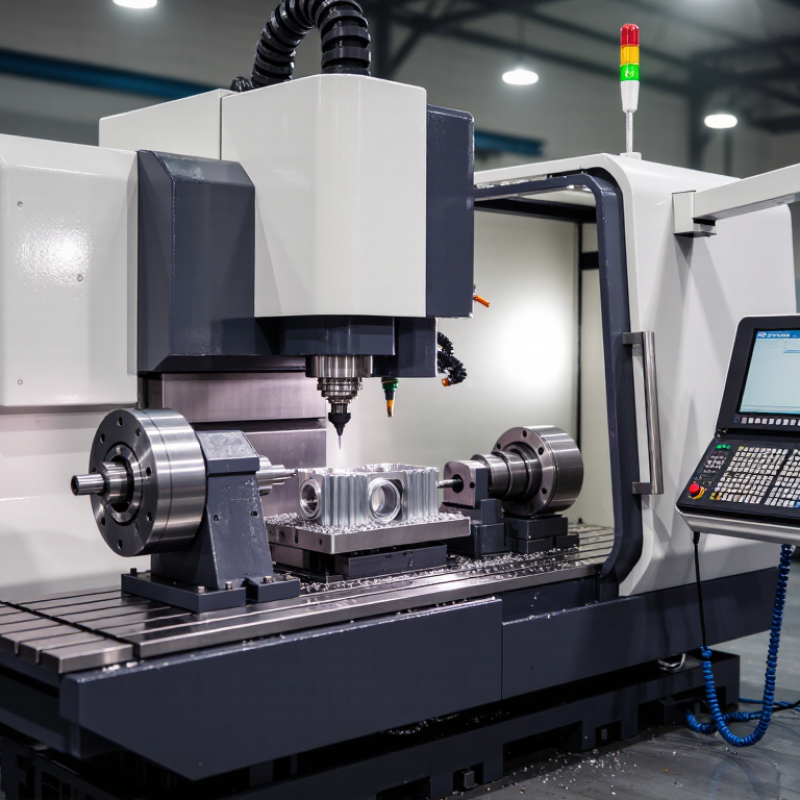
The best China milling machine for global buyers is defined by verified performance, not a low purchase price. A serious evaluation starts with machine rigidity, spindle accuracy, and repeatability under real workloads. Ask for test cuts using your material and tooling. Steel behaves differently from aluminum.
Check the machine frame, guideways, ball screws, and spindle cooling system. A stable cast structure can reduce vibration during deep pocketing.
Look for documented positioning accuracy and repeatability, preferably measured with recognized inspection methods. Factory claims alone are not enough.
Request inspection records, calibration details, and sample machining videos with dimensions.
Control compatibility also matters. The system should support your preferred programming workflow and provide clear alarms.
Electrical components must match the destination country’s voltage and safety requirements.
Reliable remote support, spare-parts availability, and readable manuals can prevent expensive downtime. Confirm response times before placing an order, not after a fault occurs.
Shipping protection deserves attention. Moisture barriers, bracing, and shock indicators can protect precision parts during ocean transport. A pre-shipment inspection by an independent engineer adds confidence.
Still, no checklist removes every risk. Some buyers focus heavily on specifications and overlook operator training. That mistake is common. A capable machine may perform poorly when installation, leveling, or tooling decisions are rushed.
The best choice is therefore the machine that fits your workload, service capacity, and long-term quality expectations. Cost is only part of the evidence.
Choosing the best China milling machine starts with the workpiece, not the catalog price. Different manufacturing needs require different structures, spindle speeds, and control systems.
A three-axis CNC milling machine suits general parts, repair work, and small-batch production. It handles plates, brackets, housings, and simple contours efficiently.
For deeper cavities, heavy components, or repeated production, a vertical bed-type machine offers stronger support and steadier cutting. Horizontal milling machines improve chip removal during side cutting and are useful for long parts or high-volume work.
Five-axis machines fit aerospace, medical, and complex mold applications because they reduce repeated setups. However, they demand better programming skills and stricter maintenance. That cost is easy to underestimate. A gantry mill is practical for large frames, panels, and oversized components, while a compact universal mill may suit workshops needing flexibility over maximum automation.
Tips: Confirm the machine’s working envelope, table load, spindle torque, and controller language. Ask for cutting-test videos using similar materials. Check electrical standards, spare-parts access, installation support, and operator training. These details often matter more than advertised power.
From my experience reviewing machining plans, buyers frequently choose excessive capacity. A larger machine can consume more floor space, energy, and setup time. Steel cutting needs rigidity and torque, while aluminum often benefits from higher spindle speed and sharper tooling. Verify positioning accuracy under actual load, not only unloaded specifications. Request inspection records, acceptance criteria, and sample parts before payment. Even a well-built machine can perform poorly when tooling, coolant, or programming is mismatched.
Machine quality should be judged through evidence, not attractive specifications. In machine audits, I examine the casting, guideways, spindle housing, and electrical cabinet closely. Uneven paint is minor; poor alignment is not. Ask for material certificates, inspection records, and a live video of the machine under load. A polished brochure proves little.
Precision requires measurable results. Check spindle runout with a calibrated indicator, then review positioning and repeatability data. Request test cuts in aluminum and steel, using parts similar to your production work. Measure bore diameter, surface finish, and dimensional variation afterward. Small errors become expensive across thousands of components. Thermal drift also matters. Run the spindle for several hours and compare results. No machine is perfectly stable.
Production capacity depends on more than table size. Review working travel, tool-change time, spindle torque, duty cycle, coolant flow, and chip evacuation. Ask whether the machine can maintain accuracy during continuous operation. I once trusted a listed feed rate without checking cutting conditions; the real output was lower. That mistake changed my evaluation process. I now compare cycle-time trials, operator feedback, and maintenance records. Check spare-parts availability, remote support hours, installation guidance, and training quality. A reliable supplier should explain limitations clearly, even when the answer is inconvenient.
A suitable China milling machine should be judged by verified evidence, not impressive photographs. In my experience, buyers often focus on spindle speed and overlook accuracy under continuous production. Ask for proof. Request test cuts using your material, drawings, and tolerances. Check positioning accuracy, repeatability, table load, spindle power, tool capacity, enclosure design, and emergency-stop performance. A machine that looks powerful may still produce inconsistent parts.
Certifications require careful checking. Ask for certificates showing the exact manufacturer, model, electrical configuration, and certification scope. Verify the issuing organization and certificate validity independently. Depending on the destination, buyers may need conformity documents for machinery safety, electromagnetic compatibility, and electrical protection. ISO 9001 can indicate a controlled quality process, but it does not guarantee machine accuracy. Request inspection records, calibration details, and a final acceptance report. Details matter. Some documents are real but incomplete.
Support can determine whether production starts smoothly or stalls for weeks. Confirm installation guidance, operator training, software assistance, warranty coverage, spare-parts availability, and response times in writing. Ask whether technicians can support your time zone and language. Request references from users with similar materials and production volumes. A factory acceptance test before shipment can reveal vibration, coolant leaks, or poor alignment. I would also budget for local electrical adaptation and tooling, because these costs are easy to underestimate. That assumption can fail. Reliable suppliers should explain limitations instead of promising perfect results.
Choosing the best China milling machine starts with the supplier, not the lowest quotation. The 2024 World Machine Tool Survey by Gardner Intelligence identifies China as one of the world’s largest machine-tool producers and consumers. That scale creates options, but quality varies widely. Request serial inspection records, spindle runout results, ball-screw specifications, and a video showing the machine cutting your material. Ask for references using similar tolerances. A polished factory is not enough.
Compare costs line by line. Include machine price, tooling, crating, inland transport, insurance, import duties, installation, training, and replacement parts. A cheaper quote can hide an unsuitable controller or costly electrical conversion. The International Energy Agency reports that electric motors and related systems account for roughly 40% of global electricity consumption. Energy-efficient drives may therefore matter over years, not just at purchase. Still, energy estimates need your actual duty cycle. Guesswork remains a weakness.
Delivery needs measurable promises. The World Bank’s 2023 Logistics Performance Index gave China a score of 3.7 out of 5, ranking it 19th globally, yet port performance does not guarantee factory readiness. Set milestones for assembly, factory acceptance testing, payment, and shipment. Require photographs, dimensional reports, spare-part lists, and remote commissioning support. Calculate long-term value through uptime, service response, software support, and parts availability. A one-year warranty sounds reassuring. It may be insufficient for a machine expected to run ten years.