What Is the Best Commercial Machine Manufacturer in China?
The search for the best Commercial Machine manufacturer in China is rarely settled by a polished catalog. Buyers need equipment that fits real production demands: steady output, accessible parts, clear operating instructions, and support after installation. A low quote can look convincing. It may not tell the whole story.
Manufacturing expert Taiichi Ohno once said, “Having no problems is the biggest problem of all.” His observation offers a useful lens: ask how a supplier identifies faults, documents repairs, and improves equipment over time. For a Commercial Machine purchase, request specific evidence, such as factory test records, material details, warranty terms, and references from comparable customers. Check whether the stated capacity matches your product, shift length, and service arrangements. Details matter.
This guide compares manufacturers through practical criteria, not sweeping claims about one “best” company. It considers product range, build quality, customization, communication, export experience, and lifecycle cost. A factory visit or live machine test can reveal more than a brochure, though neither guarantees flawless performance. No checklist removes every risk. Treat claims as questions to verify, and weigh the answers against your workflow. The right choice is a supplier whose equipment and support remain dependable when production gets busy—and whose limitations are explained plainly.
Defining Commercial Machines and Their Industrial Uses
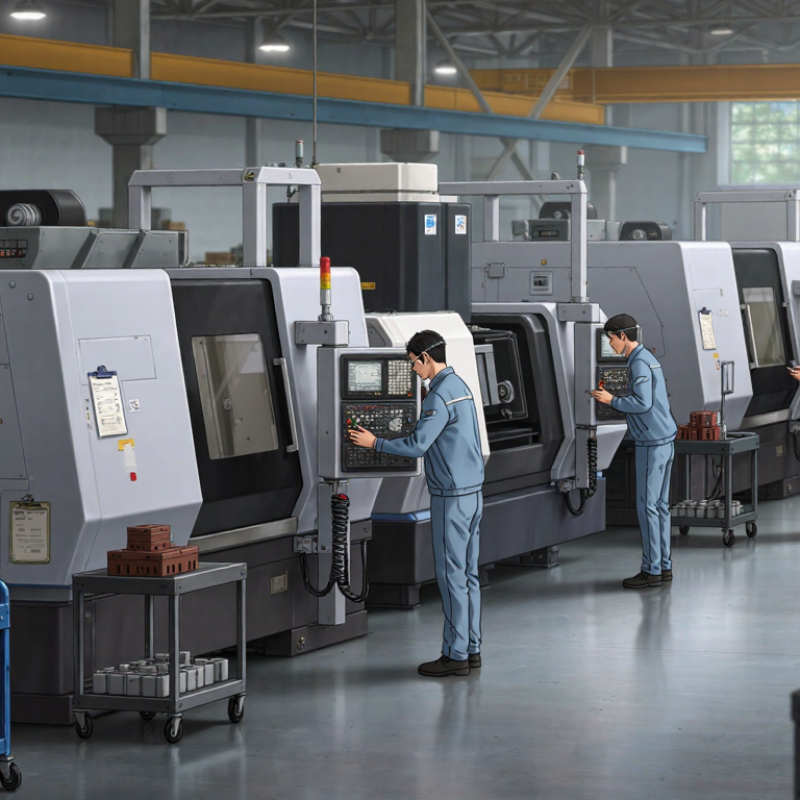
Commercial machines are powered equipment built for repeated work in businesses, workshops, and factories. They often run longer and handle heavier loads than household appliances. A packaging line may fill, seal, and label hundreds of containers each hour. In a metal shop, a cutting machine shapes sheets to measured dimensions. Food processors, commercial refrigeration units, textile equipment, and industrial cleaners serve different daily needs.
The right machine depends on the task, material, output, and working environment. A bakery may need precise temperature control, while a warehouse may value lifting capacity and easy servicing. Buyers should check production speed, power requirements, safety features, spare-part access, and cleaning needs. Small details count. A machine that fits the floor plan but blocks routine maintenance can slow an entire shift. Even experienced buyers may focus too much on purchase price; downtime and operator training matter too. Specifications can look clear on paper, yet real workloads vary. A careful assessment should include the actual materials, shift length, and available maintenance skills.
What Is the Best Commercial Machine Manufacturer in China? - Defining Commercial Machines and Their Industrial Uses
Commercial machines are equipment designed for business or industrial operations. The best supplier depends on the machine’s intended use, required capacity, compliance needs, service support, and total cost of ownership.
| Commercial Machine Category | Primary Function | Typical Industrial Uses | Key Selection Considerations | Useful Supplier Verification |
|---|---|---|---|---|
| CNC Machining Center | Removes material from a workpiece using computer-controlled cutting tools. | Metalworking, automotive components, aerospace parts, and general precision manufacturing. | Work envelope, number of axes, spindle capability, positioning accuracy, tooling compatibility, and maintenance requirements. | Request documented specifications, sample-part results, installation requirements, and details of operator training and spare-parts support. |
| Industrial Packaging Machine | Fills, seals, labels, wraps, or cartons products for storage and distribution. | Food and beverage production, pharmaceuticals, cosmetics, and consumer-goods manufacturing. | Product and package compatibility, line speed, changeover time, cleaning access, and integration with upstream and downstream equipment. | Check packaging-material compatibility, safety documentation, performance-test procedures, and the availability of replacement parts. |
| Injection Molding Machine | Heats and injects thermoplastic material into a mold to produce shaped parts. | Plastic components for appliances, automotive products, packaging, and medical-device applications. | Clamping force, shot capacity, mold dimensions, material compatibility, energy use, and process-control features. | Confirm that the machine suits the intended mold and resin, and request a production trial using representative materials. |
| Commercial Refrigeration Equipment | Maintains controlled low temperatures for chilled or frozen products. | Food processing, cold storage, supermarkets, restaurants, and distribution facilities. | Required temperature range, storage volume, ambient operating conditions, insulation, energy consumption, and refrigerant requirements. | Review temperature-performance records, electrical requirements, applicable safety documentation, and service arrangements. |
| Food Processing Machine | Performs operations such as mixing, cutting, cooking, forming, or conveying food products. | Commercial kitchens, bakeries, meat processing, prepared foods, and packaged-food production. | Product type, throughput, food-contact materials, cleanability, sanitation procedures, and process consistency. | Ask for cleaning instructions, material declarations for product-contact surfaces, operating demonstrations, and maintenance schedules. |
| Industrial Textile Machine | Produces or processes textile materials through operations such as weaving, knitting, cutting, or sewing. | Apparel production, upholstery, technical textiles, and home-furnishing manufacturing. | Fabric and yarn compatibility, working width, production speed, stitch or pattern capability, and adjustment requirements. | Request sample output using the intended material and verify setup instructions, training, and access to wear parts. |
Related Posts
-
2026 Top Commercial Machine Types for Global Buyers
-

5 Essential Tips for Maximizing Efficiency with Custom Machines in Manufacturing
-

Exploring the Top Examples of Best Parts For Machine Upgrades
-
Unique Challenges with the Best Machine Repairing Machine
-

Revolutionizing Industrial Standards at the 138th Canton Fair 2025 with Advanced Machine Repairing Machines
-
Top 10 Machine Welding Machines You Need to Know?