
How to Choose the Right Milling Machine for Your Business
Choosing the right milling machine is a practical investment decision, not a contest to buy the largest spindle or newest control. The wrong fit can leave a shop with unused capacity, slow setups, or parts that need costly rework. The details matter.
Grand View Research estimated the global CNC machine market at about $67.5 billion in 2023 and projected continued growth through 2030. That figure covers CNC machines broadly, not milling machines alone. Still, it points to a changing manufacturing landscape where automation and production flexibility increasingly shape equipment decisions. Market growth does not guarantee a return for any one business.
Start with the parts you actually make. Record material, dimensions, tolerances, batch size, and how often jobs change. Then compare work envelope, spindle speed, tool capacity, control system, floor space, power needs, and service access. A heavy steel component and a small aluminum fixture demand different capabilities. So do prototypes and repeat production.
Taiichi Ohno, a manufacturing leader associated with the Toyota Production System, wrote, “Where there is no standard, there can be no improvement.” Apply that principle before evaluating a Milling Machine Machine: document your current cycle times, setup steps, and quality problems. Ask suppliers to demonstrate your own part, not just a polished sample. A tidy spreadsheet can still miss operator training, maintenance delays, or awkward chip cleanup. Those costs are easy to underestimate. The best choice is the machine that fits your real workload, supports reliable production, and leaves room for sensible growth.
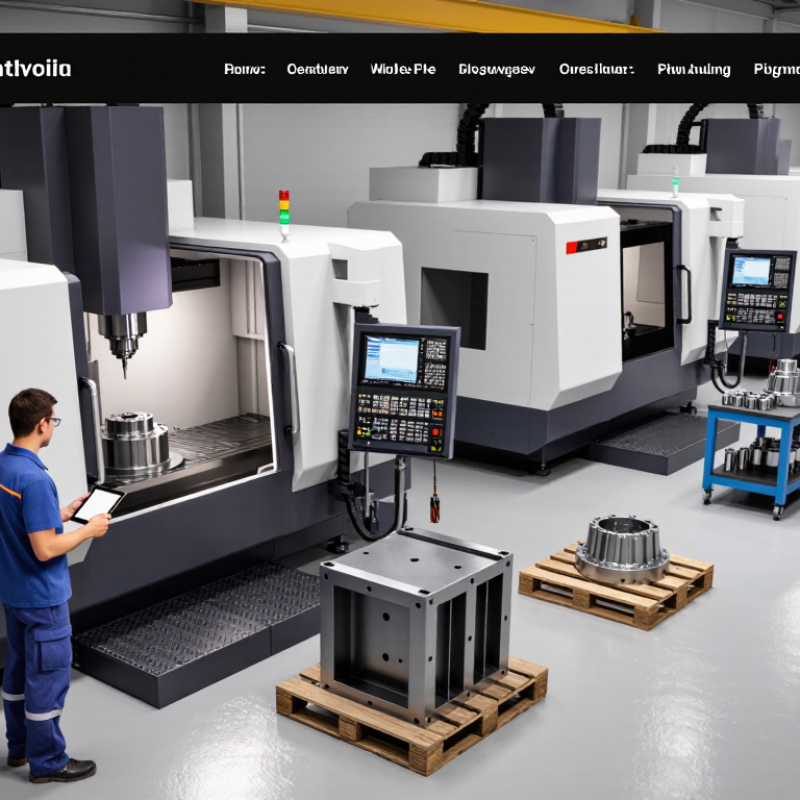
Define Your Production Needs and Workpiece Requirements
Before comparing milling machines, define what the shop must make each shift. List material, maximum workpiece dimensions, batch size, tolerances, and the features that need machining. A 300-millimeter aluminum plate with shallow pockets creates different demands from a compact steel part with deep cavities. Measure the largest real job, not the average one. Allow room for fixtures and tool changes. Small oversights here can limit a machine for years.
Then estimate actual spindle time and changeover time. A machine with a large table may still be a poor fit if most jobs are small and frequent. The Association for Manufacturing Technology’s 2023 U.S. Manufacturing Technology Orders report recorded about $4.9 billion in orders, showing the scale of capital investment across the sector. That figure does not tell you which machine to buy; your own job mix should. Check whether required tolerances hold across a full run, and ask how cutting forces affect your toughest material. One awkward detail: production forecasts are often optimistic. Test a representative part, including setup and inspection, before deciding. Make the trial match the work floor, not a perfect demonstration.
How to Choose the Right Milling Machine for Your Business - Define Your Production Needs and Workpiece Requirements
| Machine Type | Typical Production Fit | Workpiece Size and Geometry | Common Materials | Setup and Axes | Key Requirements to Check |
|---|---|---|---|---|---|
| Manual knee mill | Prototypes, repairs, toolroom work, and low-volume jobs with frequent part changes. | Small to medium parts that fit within the table travel; well suited to straightforward faces, slots, and pockets. | Aluminum, plastics, and machinable steels, within the machine’s power and rigidity limits. | Typically 3 axes; an operator controls feeds and tool changes. | Check table travel, spindle condition, available tooling, operator skill, and whether manual cycle times meet delivery needs. |
| Toolroom CNC mill | Low-to-medium volumes, varied parts, and jobs that benefit from repeatable programmed machining. | Small to medium workpieces with 2D or 3D features; capacity depends on the machine’s travels and table load rating. | Aluminum, steel, stainless steel, and engineering plastics when matched to suitable tooling and cutting parameters. | Usually 3 axes; CNC control supports stored programs and repeatable setups. | Compare usable travels, control features, programming workflow, probing options, and the time required to fixture each job. |
| Vertical machining center (VMC) | General-purpose production, repeat orders, and a broad mix of prismatic components. | Small to large parts, depending on table dimensions, axis travels, spindle clearance, and permitted workpiece weight. | Aluminum, carbon steel, stainless steel, and other machinable alloys with appropriate machine rigidity. | Commonly 3 axes; a rotary table or trunnion can add rotary-axis capability. | Assess spindle power and speed, tool magazine capacity, chip evacuation, workholding, and expected spindle utilization. |
| Horizontal machining center (HMC) | Medium-to-high repeat production, especially where multiple faces must be machined efficiently. | Prismatic components that can be located on a pallet; suitable for multi-face machining and palletized workflows. | Cast iron, steel, aluminum, and other production materials within the machine’s cutting capacity. | Typically 4 axes with a rotary table; pallet systems may reduce non-cutting time. | Check pallet size and load, fixture access, chip management, tool capacity, and whether production volume justifies the setup investment. |
| Universal milling machine | Small-batch work involving varied angles, slots, helical features, or general-purpose machining. | Small to medium parts; a swiveling table or head can help reach angled features without a dedicated multi-axis setup. | Commonly used for steels, aluminum, and other machinable metals, depending on machine rigidity and tooling. | Manual or CNC configurations are available; table or head swiveling adds setup flexibility. | Confirm the available angular range, table size, indexing equipment, setup repeatability, and operator training needs. |
| 5-axis machining center | Complex, high-value components; production that benefits from machining several faces in one setup. | Parts with compound angles, contoured surfaces, or features on multiple sides; usable capacity depends on rotary-axis limits. | Aluminum, titanium, stainless steel, and other alloys when machine dynamics and tooling are suitable. | Three linear axes plus two rotary axes; simultaneous or indexed machining depends on the configuration. | Evaluate part-envelope limits, collision clearance, programming and simulation capability, workholding, and operator expertise. |
| Planer-type or gantry mill | Low-to-medium volume machining of large components, tooling, molds, or structural parts. | Large or heavy workpieces that exceed the table or travel capacity of a conventional VMC. | Large steel and cast-iron components, plus other materials matched to spindle and structural capacity. | Configuration varies; multiple heads or additional axes may be available for specialized work. | Verify floor space, foundation and load requirements, crane access, workpiece support, and the full machining envelope. |
Selection note: Capacity and production suitability vary by machine configuration. Confirm actual travels, table load, spindle specifications, tooling, and workholding against your parts and process before purchasing.
Related Posts
-
Top Milling Machine Manufacturers for Global Buyers?
-
What Is the Best China Milling Machine for Global Buyers?
-
7 Best Tips for Choosing the Right Milling Machine Machine for Your Business
-

How to Choose the Right Milling Machine for Your Business Needs
-
Top Milling Machine Types for Efficient Manufacturing Solutions?
-
What Is the Best China Milling Machine for Global Buyers?