Top 10 Custom Machine Manufacturers for Global Buyers

Choosing a Custom Machine manufacturer is more than comparing prices or browsing attractive product photos. Buyers need a partner who can turn production requirements into equipment that performs reliably on the factory floor. That means discussing the part, process, target cycle time, available space, and expected output in practical detail. Small gaps matter. A fixture that is difficult to load, or a control system operators struggle to understand, can slow production long after installation.

This guide introduces ten manufacturers for global buyers seeking tailored machinery and engineering support. Each company should be evaluated against the needs of the project, not treated as a universal solution. Review its experience with similar applications, design and testing process, component choices, quality controls, and after-sales service. Ask how acceptance testing is documented, what training is included, and how spare parts or technical support will be handled across borders. Get specifics.

A supplier’s ability to explain trade-offs can be as important as its equipment portfolio. Request references where appropriate, clarify lead times, and confirm that proposed performance figures match your actual operating conditions. Be cautious of promises that sound precise but lack a clear test method. No shortlist can replace a site assessment or a detailed technical discussion. The right choice depends on your production goals, budget, and internal capabilities. Use the manufacturers featured here as a starting point for informed conversations, then verify that each proposed solution fits your process before making a commitment.
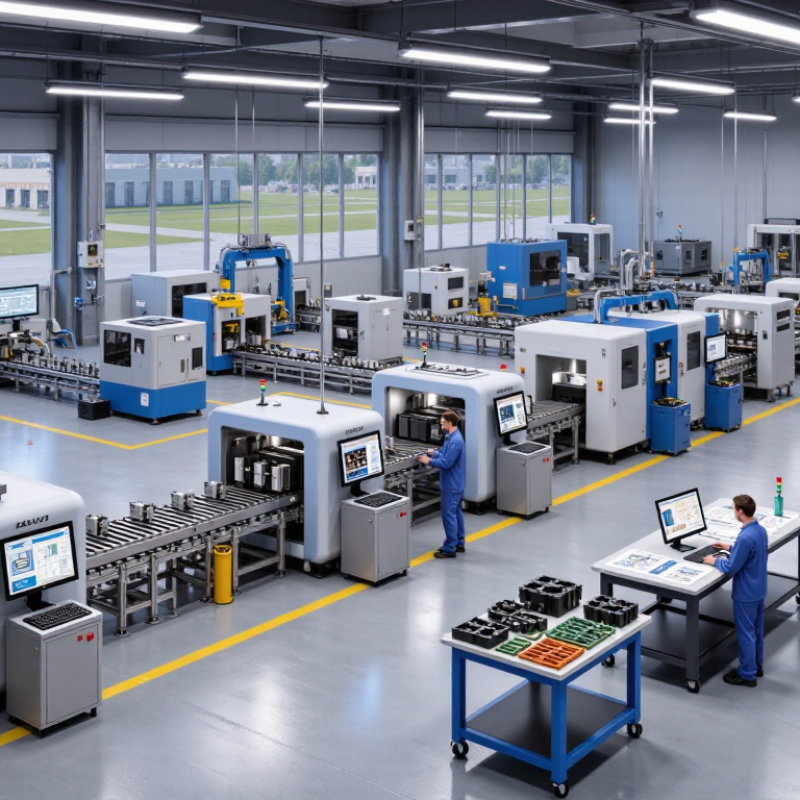
Top 10 Custom Machine Manufacturers for Global Buyers

Understanding Custom Machine Manufacturing

Custom machine manufacturing means designing equipment around a specific product, process, and production environment. Unlike standard machinery, a custom system may combine feeders, sensors, fixtures, controls, and inspection tools in one production cell. The design begins with practical questions: What must the machine produce per hour? Which dimensions need tight control? How will operators clear a jam or change a tool? Small details matter.

The business case is increasingly tied to automation. The International Federation of Robotics’ World Robotics 2024 report recorded 541,302 industrial robot installations worldwide in 2023. That scale of adoption makes machine integration important, but a robot alone does not make a line productive. Fixtures, guarding, software, and reliable changeovers must work together. Deloitte’s 2024 Smart Manufacturing survey found that 92% of surveyed manufacturing executives expect smart manufacturing to drive competitiveness within three years. These figures describe broad industry trends, not guaranteed returns for any single project.

A sound specification includes cycle time, product variation, floor space, maintenance access, and interfaces with existing equipment. For example, a machine handling several bottle sizes may need adjustable guides and quick-change tooling, not just a faster motor. Factory acceptance tests should use representative parts and record defects, downtime, and operator feedback. A first build is rarely perfect. That is useful to admit. Late design changes can still happen, and even a detailed simulation may miss awkward reach distances or real-world material variation.

How Custom Machines Are Designed and Built

Custom machine design begins with the process, not a drawing. Engineers document the part, material, target cycle time, tolerances, and operator tasks. They also check floor space, utilities, cleaning needs, and how the machine will connect to existing equipment. Small details matter. A misplaced sensor can stop a line.

The International Federation of Robotics’ World Robotics 2024 report recorded 541,302 industrial robots installed worldwide in 2023. That scale makes robot interfaces, guarding, and maintenance access important design questions. Engineers typically turn requirements into layouts and risk reviews, then refine the design using CAD and simulations. A model can look convincing and still miss cable access or a tool change in real conditions. Reality intervenes. Building a prototype or testing key modules can expose those gaps before full assembly. During factory acceptance testing, teams check cycle time, repeatability, alarms, and safe access under defined conditions. Site acceptance then tests the machine with actual materials and utilities. Results may differ from the lab; documenting those differences helps guide adjustments, rather than hiding them.

Top 10 Custom Machine Manufacturers for Global Buyers - How Custom Machines Are Designed and Built

No. Custom Machine Type Typical Application Key Design Inputs Common Machine Elements Build and Acceptance Checks
1 CNC machining cell Repeatable milling, drilling, or turning of metal and plastic components. Part drawings, material, required tolerances, annual volume, tool access, and chip-removal needs. CNC machine tool, workholding, cutting tools, coolant system, guarding, and optional robot loading. Verify part dimensions, machine alignment, tool offsets, safety interlocks, and repeatability using production-representative parts.
2 Automated assembly machine Joining, fastening, pressing, or fitting multiple components into a finished product. Assembly sequence, component variation, joining method, target output, and acceptable defect limits. Part feeders, fixtures, actuators, sensors, fastening or press equipment, and a programmable controller. Check assembly sequence, force or torque settings where applicable, changeover procedure, and detection of missing or incorrectly placed parts.
3 Packaging and filling machine Filling, capping, labeling, cartoning, or case packing products. Product properties, container dimensions, pack format, required rate, cleaning method, and contact-material requirements. Product dosing system, conveyors, container handling, guards, controls, and format-change components. Test fill or pack accuracy, seal or closure quality, changeover settings, cleanability, and operation with representative products and packaging.
4 Machine-vision inspection system Checking product presence, dimensions, surface defects, labels, or assembly features. Defect criteria, inspection field of view, product speed, lighting conditions, and required traceability. Industrial cameras, lenses, lighting, image-processing hardware, sensors, reject mechanism, and data interface. Validate detection using known acceptable and defective samples; check false rejects, missed defects, trigger timing, and stored results.
5 Robotic material-handling cell Machine tending, palletizing, pick-and-place, and transfer between process steps. Part mass and geometry, pickup points, reach, cycle sequence, workspace layout, and operator access. Industrial robot, end-of-arm tooling, safety fencing or scanners, part fixtures, sensors, and cell controller. Confirm reach and payload for the task, repeatable pickup and placement, safe stopping, collision clearance, and recovery procedures.
6 Material handling and conveyor system Moving, buffering, sorting, or positioning products between production operations. Product dimensions and weight, route layout, accumulation needs, transfer points, and production-flow requirements. Conveyor sections, drives, guides, transfers, sensors, guarding, and controls linked to adjacent equipment. Test product transfers, accumulation behavior, line coordination, access for maintenance, and emergency-stop coverage.
7 Cutting and forming machine Cutting, bending, punching, or forming sheet, tube, or other production materials. Material type and thickness, part geometry, process forces, tooling requirements, and dimensional tolerances. Frame, drive or hydraulic system, process tooling, work supports, guards, and operator controls. Inspect formed-part dimensions, tooling setup, guarding, operating modes, and performance with specified material.
8 Welding or joining automation Joining metal components using a specified welding or other industrial joining process. Joint design, materials, part fit-up, production volume, process specification, and access for tooling. Joining power source or process unit, fixtures, motion system, fume control where required, sensors, and safety equipment. Review procedure settings, fixture repeatability, joint quality against the agreed inspection criteria, and safe process operation.
9 Leak, pressure, or functional test station Testing components or assemblies for leakage, pressure integrity, electrical response, or operational function. Test method, limits, media, connection points, test duration, safety requirements, and record-keeping needs. Test fixtures, pressure or measurement instruments, valves, controller, safety enclosure where needed, and data logging. Verify calibrated instruments, test limits, repeatability, safe venting or discharge, and traceable recording of results.
10 Special-purpose process machine A dedicated operation such as dispensing, coating, cleaning, deburring, or thermal processing. Process material, required result, cycle sequence, environmental conditions, utilities, and maintenance access. Process chamber or work area, pumps or applicators as required, fixtures, extraction or filtration, controls, and guarding. Run process trials on representative parts; confirm output quality, utility requirements, repeatability, and safe maintenance access.

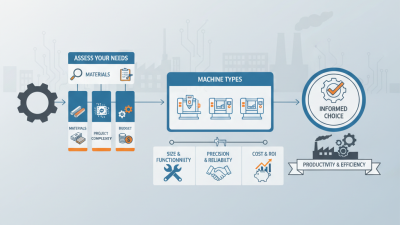
Design and build workflow: Define requirements and acceptance criteria → review concepts and layouts → complete mechanical, electrical, and controls design → build and integrate the machine → test with representative materials and parts → install, commission, and train operators. Machine configurations and performance depend on the application; the entries above describe common equipment categories, not a ranked list of named suppliers.

Key Criteria for Evaluating Global Manufacturers

Choosing among custom machine manufacturers starts with a clear description of the job. Define the material, target output, operating hours, available floor space, and required changeover time. A machine that handles 40 parts per minute may still fail if parts vary in size. Share drawings, sample components, and real production data. Details matter.

Evaluate the engineering behind the proposal. Ask for layout drawings, cycle-time assumptions, safety features, and a list of major components. Check whether quoted tolerances match your part requirements. Request test results from a run using similar materials. A polished brochure is not proof. Review inspection records and ask how design changes are tracked. Even a strong checklist can miss practical issues, such as cleaning access or awkward tool changes.

Global buyers should also examine communication and service arrangements. Confirm who handles installation, operator training, spare parts, and remote troubleshooting. Clarify delivery terms, expected lead times, and what acceptance testing includes. Compare total ownership costs, not just the purchase price. Ask for references from customers with similar applications, then verify the details directly. Some uncertainty remains: early estimates can change when a supplier sees the actual parts. That is worth discussing before the contract.

Profiles of 10 Custom Machine Manufacturers for Global Buyers

These ten profiles describe useful supplier types, not a verified ranking. Turnkey integrators coordinate machine design, controls, and installation. Precision-tooling specialists build fixtures for repeatable, tight-tolerance production. Packaging-equipment makers tailor filling, sealing, and inspection stations. Robotic-cell builders integrate arms, safety systems, and part handling. Test-system manufacturers create rigs for measuring force, flow, or electrical performance. CNC automation shops customize loading and unloading around existing machines. Food-processing equipment makers focus on washdown-friendly surfaces and changeovers. Medical-device equipment specialists emphasize traceability and process validation. Material-handling builders design conveyors, lifts, and custom feeders. Retrofit specialists upgrade older equipment with current controls and sensors.

The International Federation of Robotics reported 541,302 industrial robot installations worldwide in 2023 in World Robotics 2024. That scale signals growing automation demand, but a robot count cannot predict a custom machine’s reliability. Ask suppliers for cycle-time studies, acceptance-test plans, service response times, and references from comparable applications. Review drawings and maintenance access before approving a build. A polished demo is not enough.

Tips: Share sample parts, target cycle times, and cleaning requirements early. Ask who owns the controls documentation. Confirm spare-part lead times in writing. Small omissions matter. A supplier may still miss your real constraint, so test assumptions with operators before signing off.

Typical Custom Machine Project Workflow

A generic sequence of stages used in custom machine projects. The values show stage order, not duration, cost, or manufacturer performance; actual workflows may vary.

Comparing Supplier Capabilities, Costs, and Support

When comparing custom machine manufacturers, look beyond a polished quotation. Ask how each supplier turns a sample part into a working machine. A capable team should explain its design reviews, material choices, control systems, and inspection steps in plain language. Request a sample layout or acceptance checklist. Details matter.

Costs are easier to compare when quotes separate design, tooling, installation, training, and spare parts. A lower initial price may exclude useful items, such as on-site commissioning or a second set of wear components. Ask what changes would trigger extra fees. Get the assumptions in writing. Still, a detailed quote cannot predict every engineering change; that uncertainty deserves honest discussion.

Support affects the machine’s real operating cost. Check response hours, remote diagnostic options, technician availability, and typical parts lead times. Ask for a practical example: how would the supplier handle a sensor fault during a production shift? A clear answer is more useful than a broad promise. Compare documentation quality, too. Are wiring diagrams labeled, and are maintenance intervals easy to find? One weakness in this review process is that buyers may overvalue impressive equipment lists. A smaller supplier with clear communication may be a better fit, but only if its capacity and service commitments are verified.