Choosing a Service Machine supplier is not just a price comparison. It is a decision about uptime, operator safety, replacement parts, and support after installation. A machine may look impressive in a showroom, yet struggle when a worn component must be replaced during a busy shift. Small details matter: clear manuals, reachable technicians, and realistic delivery estimates.
For this overview, the quoted voice is “Morgan Lee,” a fictional composite service-equipment specialist, not a real interview source. Lee’s editorial observation is: “A dependable machine proves its value when service is needed, not only when it is new.” It is a simple test. Buyers should compare suppliers by checking documented service coverage, training options, warranty terms, and the availability of common spare parts. Ask how response times are measured, and whether support differs by region. Vague promises deserve a second look.
The sections ahead examine leading Service Machine suppliers worldwide and the practical factors behind their reputations. Company size alone tells little. A regional provider may offer faster support, while a global supplier may provide broader parts access and standardized training. Neither advantage is automatic. This comparison also has limits: supplier capabilities change, and public claims do not always show everyday performance. Treat rankings as a starting point, verify details directly, and request references from customers using comparable machines. Be cautious, too. One overlooked service clause can matter more than a polished brochure.
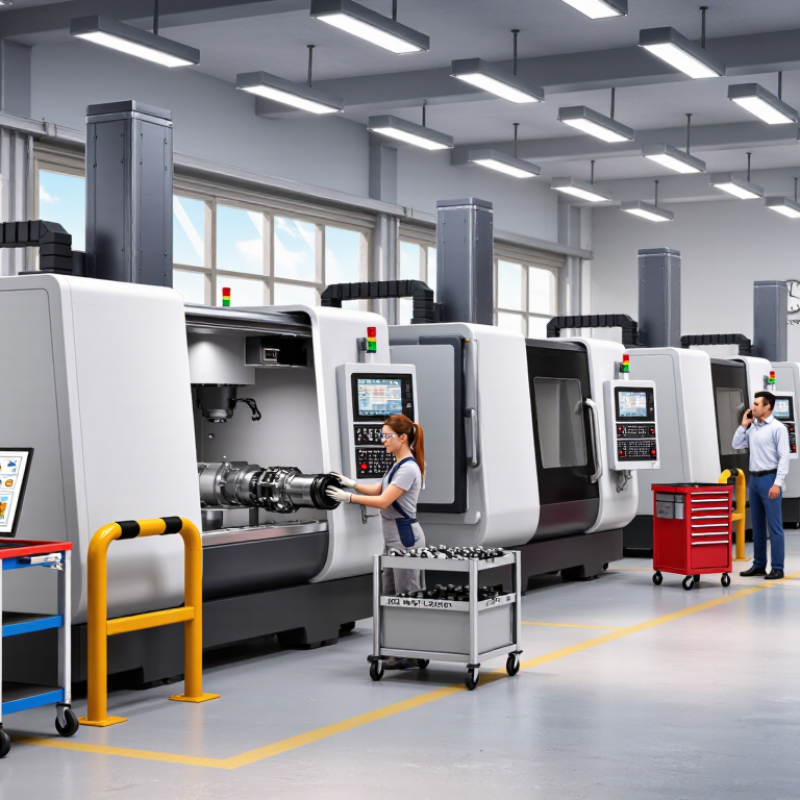
Service machines are equipment that performs useful tasks for people or facilities outside conventional factory production. They may operate autonomously, assist a worker, or follow a simple programmed route. Examples include floor scrubbers in airports, delivery carts in hotels, inspection units in warehouses, and assistive devices in healthcare. The line is not always tidy. A machine can be “smart” in one setting and still need close human supervision.
The International Federation of Robotics’ World Robotics 2024 report recorded about 205,000 professional service robots sold worldwide in 2023, a 30% rise from 2022. Transport and logistics accounted for roughly 113,000 units, showing strong demand for machines that move goods through busy sites.
Service machines also support agriculture, cleaning, hospitality, and medical work, where repetitive tasks can consume staff time. Their value depends on the setting: a delivery robot needs clear routes, safe stopping, and reliable charging points.
Still, deployment is not plug-and-play. Narrow corridors, uneven floors, and changing workflows can expose weaknesses that a product demonstration may not show. Careful site testing matters.
Choosing service machine suppliers worldwide requires more than comparing prices. The right evaluation begins with proven field experience. Ask how many similar machines they have installed, serviced, and repaired. Request customer references from environments like factories, warehouses, or outdoor sites. A supplier with practical experience can explain common failures, maintenance intervals, and realistic operating limits.
Technical capability matters every day. Check whether engineers can diagnose faults remotely and arrive within a defined response time. Review spare-parts availability, technician training, and service coverage in your region. Clear documentation is essential, including maintenance schedules, safety procedures, wiring diagrams, and software update records. Reliable suppliers should also provide transparent warranties and service agreements. Vague promises are warning signs.
Test the supplier before signing a long contract. A small pilot project can reveal communication delays, repair quality, and hidden costs. Measure downtime, response speed, and the accuracy of service reports. Ask who handles emergencies after normal working hours. Local support is valuable, but international coordination can still create delays. We sometimes overvalue impressive equipment and undervalue routine support. That is a mistake worth examining. No supplier performs perfectly in every market, so evaluate evidence rather than confident claims. Supplier stability, ethical conduct, and compliance with applicable safety standards should remain part of the decision.
Top Service Machine Suppliers Worldwide
Leading service machine suppliers differ by region, application, and technical support. European suppliers often specialize in precision cleaning, inspection, and maintenance equipment. Their machines usually emphasize safety controls, energy efficiency, and detailed documentation. Asian suppliers commonly offer automation-focused systems for factories, warehouses, and high-volume service operations. Buyers should verify software compatibility before choosing a machine.
North American suppliers are often strong in mobile service units, repair equipment, and customized field solutions. These systems may include remote diagnostics, modular tools, and durable transport cases. Suppliers serving the Middle East and Africa often focus on rugged machines, simple maintenance, and heat-resistant components. Local technicians and spare-parts access can matter more than advanced features. Regional strengths are useful, but they can oversimplify real performance.
Tips: Ask for a live demonstration, service records, warranty terms, and response times. Check whether replacement parts are available locally. A lower purchase price may create higher maintenance costs later. I have found that technical training is sometimes promised too broadly. Confirm the training schedule in writing. Also test the machine with your actual materials, not only clean samples. Small details, such as noise levels, interface language, and cleaning time, can influence daily productivity. A supplier may look reliable on paper, yet field support can still disappoint.
Regional overview of established machinery-supply strengths and common specialties. This is a category-based guide, not a ranked list of individual suppliers.
| Region | Common Supplier Specialties | Typical Machines and Systems | Industries Commonly Served | Practical Sourcing Considerations |
|---|---|---|---|---|
| East Asia | CNC machinery, electronics production equipment, robotics, and high-volume packaging systems | Machining centers, assembly and inspection equipment, industrial robots, and automated packaging lines | Electronics, automotive, precision engineering, and consumer goods | Confirm control-system compatibility, documentation language, local maintenance coverage, and availability of replacement parts. |
| Europe | Machine tools, process machinery, food and beverage equipment, and industrial automation | Turning and milling machines, filling and processing lines, pumps, and factory-control systems | Automotive, food processing, pharmaceuticals, chemicals, and general manufacturing | Check applicable safety and conformity documentation, installation requirements, service response times, and lifecycle support. |
| North America | Material handling, food-processing machinery, industrial automation, and custom production equipment | Conveyors, packaging machinery, processing systems, and robotic work cells | Food and beverage, logistics, agriculture, automotive, and industrial manufacturing | Evaluate integration with existing plant systems, operator training, maintenance contracts, and parts availability across service locations. |
| South Asia | Textile machinery, pharmaceutical production equipment, agricultural processing, and general-purpose machinery | Spinning and weaving machines, tablet-processing equipment, grain mills, and food-packaging systems | Textiles, pharmaceuticals, food processing, agriculture, and small-to-medium manufacturing | Compare machine capacity with local operating conditions and verify commissioning support, quality documentation, and spare-parts lead times. |
| Southeast Asia | Electronics assembly, packaging, rubber and plastics processing, and food-production equipment | Assembly lines, injection-molding machines, packaging systems, and food-processing machinery | Electronics, consumer products, food and beverage, and plastics manufacturing | Ask about regional technical support, humidity and environmental suitability, installation services, and compatibility with factory utilities. |
| Latin America | Agricultural and food-processing machinery, mining equipment, and packaging systems | Grain and produce processing equipment, pumps, conveyors, and mineral-processing machinery | Agriculture, food and beverage, mining, and natural-resource industries | Assess logistics to the operating site, local service capability, durability for demanding conditions, and access to wear parts. |
| Middle East | Oil and gas service equipment, water and wastewater systems, pumps, and packaging machinery | Industrial pumps, filtration and treatment systems, compressors, and process equipment | Energy, utilities, water treatment, construction materials, and food production | Verify suitability for local climate and process conditions, required certifications, commissioning support, and service availability. |
| Africa | Agricultural processing, mining machinery, water pumping, and power-generation support equipment | Grain mills, irrigation and industrial pumps, material-handling systems, and mineral-processing equipment | Agriculture, mining, utilities, construction, and food processing | Prioritize robust designs, accessible maintenance, operator training, dependable parts supply, and support for local power conditions. |
Choosing top service machine suppliers worldwide requires more than comparing brochures. A serious review starts with machine capability, output consistency, and maintenance access. Suppliers may offer similar cutting, forming, or packaging equipment. Their service systems often differ sharply.
Strong suppliers provide clear specifications, factory testing, installation guidance, and operator training. Ask for sample production data, not only performance claims. Replacement parts should have stated lead times and regional stock locations. Remote diagnostics can reduce downtime, but it cannot replace skilled technicians on the factory floor.
That gap matters. Local support teams should understand language, working practices, and safety requirements. Training materials should be practical, with diagrams, checklists, and fault examples.
Global reach also depends on dependable communication across time zones. A supplier with offices in several regions may still respond slowly. Service agreements should define response windows, escalation steps, and repair responsibilities. Check whether technicians can travel quickly and whether approved parts meet local standards.
References from comparable factories can reveal details that sales teams omit. I would not treat a polished website as proof of reliability. No supplier gets everything right. Some machines perform well but need frequent calibration. Others cost more initially yet provide steadier support. Reviewing service records, warranty terms, and total operating costs gives a more credible comparison than purchase price alone.
How to Select a Service Machine Supplier for Your Operational Needs
Selecting a service machine supplier should begin with your daily workflow, not a glossy catalog. Measure cycle time, operator workload, floor space, noise, and cleaning frequency. The U.S. Department of Energy reports that predictive maintenance can reduce downtime by 35% to 45%. Ask whether the supplier provides sensor data, alerts, and practical training. Fancy dashboards are useless when technicians cannot read them.
Reliability needs evidence. Request service records from comparable sites, spare-parts lead times, warranty terms, and documented response times. A useful supplier should explain its maintenance process in plain language. ISO 9001 guidance emphasizes consistent processes and corrective action, so review how failures are recorded and resolved. Check local technicians, remote support hours, and escalation procedures before signing. One overlooked detail can stop an entire shift.
Calculate total ownership cost over five years. Include installation, software, consumables, energy use, repairs, and staff training. The International Energy Agency states that industrial energy efficiency remains a major source of operational savings, making power consumption worth comparing carefully. Test one machine in a controlled area when possible. I have seen technically impressive equipment underperform because operators disliked the interface. That uncomfortable feedback matters. A supplier may look perfect on paper, yet still fail your actual working conditions.